
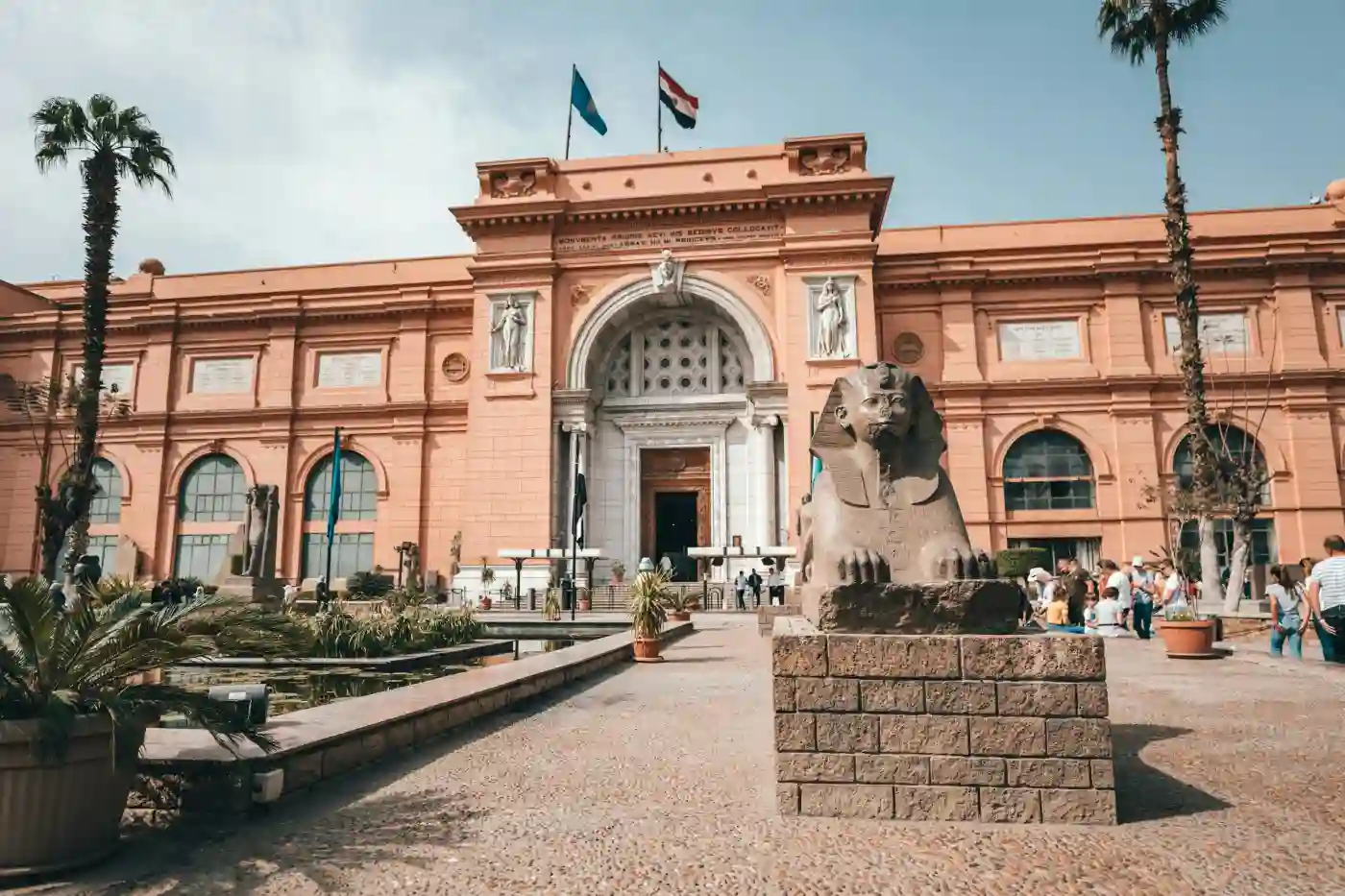
Thirty world-class sites, seven days and a sun that never negotiates: which Egypt tourist attractions deserve your limited time? Start with Giza, Luxor and Aswan, add Abu Simbel if your days allow, and let the rest wait for trip two. Here is how to choose without regret.
Which Egypt Tourist Attractions Come First When Days Are Short?
Giza, the Valley of the Kings, Karnak and a Nile experience come first. They are the core of any first visit, and everything else is a bonus you fit by geography, not greed. The table lists the headline sights in the order we plan them.
| Attraction | Base city | Plan on | Why it earns its slot |
|---|---|---|---|
| Giza Pyramids and Sphinx | Cairo | Half a day | The icon, calmest at opening time |
| Grand Egyptian Museum | Cairo | 3–4 hours | The pharaonic story told in full, beside the pyramids |
| Karnak Temple | Luxor | 2–3 hours | Egypt’s grandest temple complex |
| Valley of the Kings | Luxor | 2–3 hours | Painted royal tombs, best first thing |
| Luxor Temple by night | Luxor | 1 hour | Floodlit, cooler and far quieter |
| Philae Temple | Aswan | About 2 hours | An island sanctuary of Isis reached by boat |
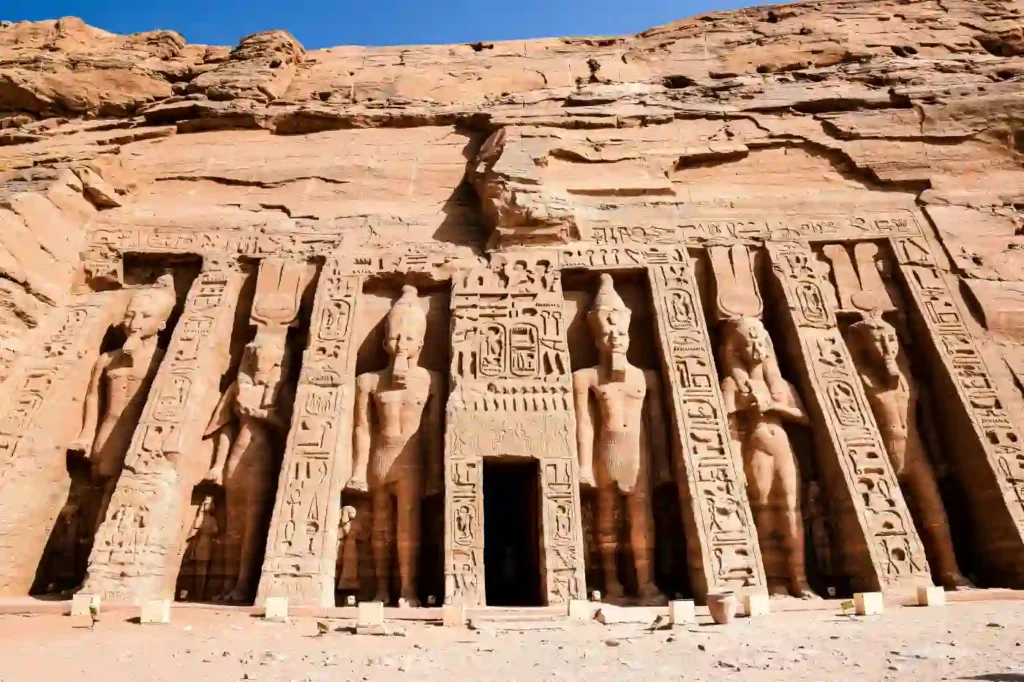
| Abu Simbel | Aswan | Most of a morning | Ramesses II’s colossal facade; the long road is the price |
| Felucca or Nile cruise | Luxor to Aswan | An evening to several nights | The river that ties the temples together |
Ready to see them in the right order? Explore our 7-day Egypt itinerary, which links Cairo, Luxor, Aswan and Abu Simbel into one smooth loop with an Egyptologist guide.
The Two-Sites-a-Day Rule: Why Does Egypt Punish the Over-Planner?
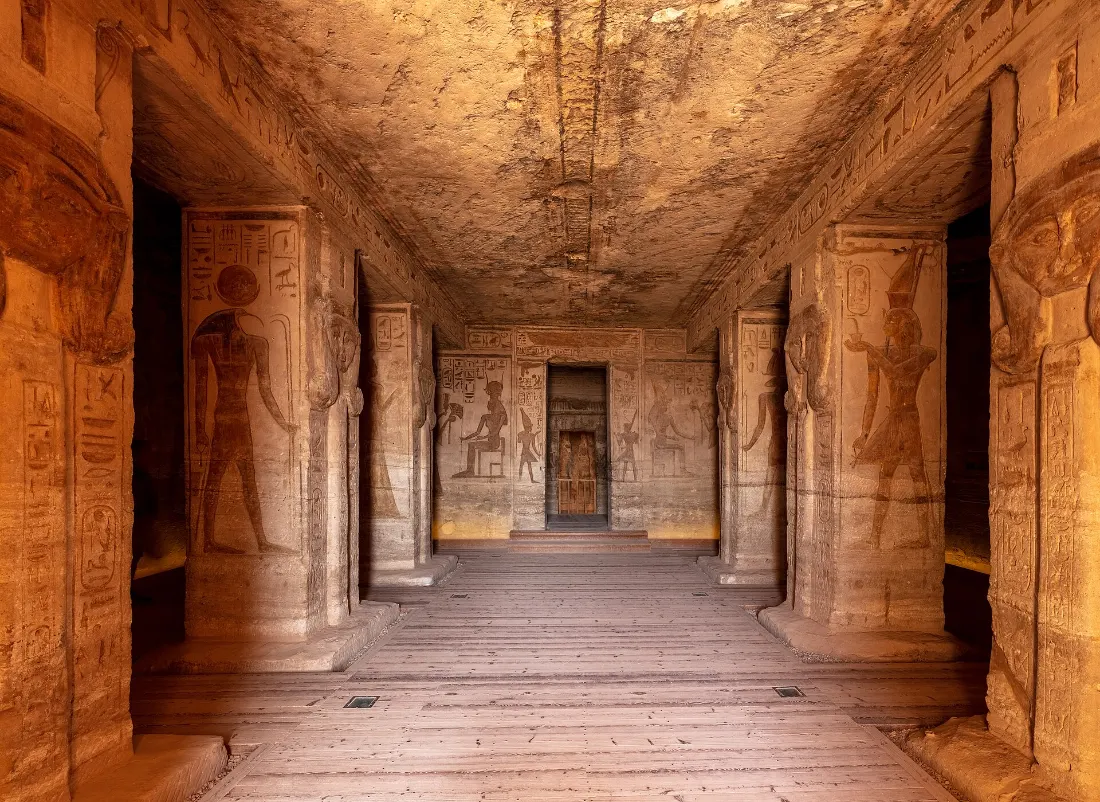
Because the sites are huge, the distances are real and the heat arrives early. Two major sites a day is a pace most travelers genuinely enjoy; a third usually means you remember none of them.
- Distances: Cairo to Luxor is a short flight, while Abu Simbel is a long road from Aswan that usually starts before dawn.
- Heat: in the warmer months the temples are best before late morning, with lunch and a rest through the midday sun.
- Queues: entry lines and bag checks add time that itineraries rarely count.
- Hotel changes: each new base costs roughly half a day, so fewer bases means deeper days.
Field tip: pair sites by geography. Karnak and Luxor Temple share a day in Luxor, while Philae, the Unfinished Obelisk and the Aswan High Dam share one in Aswan.
Which Egypt Tourist Attractions Can Wait for Trip Two?
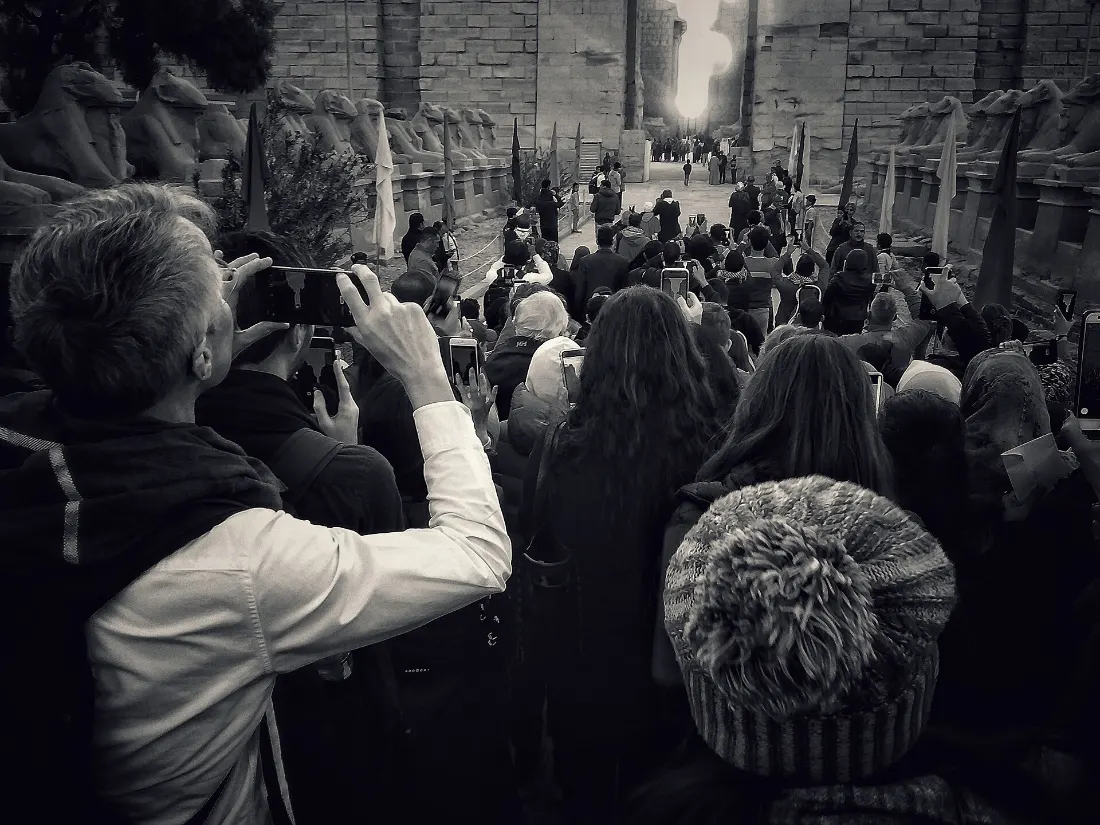
Alexandria, Abydos and Dendera, Siwa and the Red Sea coast can all wait. They reward a second visit far more than a rushed first one.
- Alexandria: a Mediterranean city of seafront and Greco-Roman layers; see what there is to do in Alexandria.
- Abydos and Dendera: quieter temples north of Luxor, with Abydos prized for its fine reliefs.
- Siwa: a remote oasis that deserves days, not hours.
- The Red Sea: reefs and beaches, easy to add through our Hurghada tours when you have ten days or more.
For a second opinion on how the regions compare, Lonely Planet’s roundup of the best places to visit in Egypt is a useful read.
The Hours Egypt Hides: Why Do Sunrise and Sunset Do the Heavy Lifting?
Because early morning and evening are when the big sights feel like the postcards: cooler, quieter and softly lit. Plan your best attractions around those two windows.
- Sunrise over Luxor: a hot air balloon flight is weather dependent, so book it for your first morning and keep a spare day.
- Opening time: the Valley of the Kings and Giza are calmest before the tour buses arrive.
- After dark: Luxor Temple, lit gold, is half its magic.
- Golden hour: a felucca at Aswan turns a transit stop into the trip’s slow exhale.

Ready to sail the river of the gods? See our Nile cruise options from Luxor to Aswan and watch the temples drift past from the sundeck.
How Many Days Do You Need for the Big Sights?
Five days cover the core, seven cover it comfortably, and ten let you add a second-tier extra:
- 5 days: Giza, Luxor’s temples and tombs, and a taste of Aswan.
- 7 days: add the full Aswan day, Philae and Abu Simbel.
- 10 days or more: add Alexandria, Abydos or the Red Sea.
Build it from our private Cairo tours, Luxor tours and day trips and Aswan tours and day trips. Torn between bases? Our guide to Cairo or Luxor settles it.
FAQs About Egypt’s Top Sights
Can I see the pyramids, Luxor and Aswan in one trip?
Yes. Fly between cities, or sail from Luxor to Aswan, and a week is enough for all three. The secret is fewer hotel changes, not fewer sights.
Which Egypt tourist attractions suit first-time visitors best?
Giza, Karnak, the Valley of the Kings and a Nile sailing. They deliver the icons without remote travel, and Abu Simbel can join when time and budget allow.
Do the big sites feel better with a guide?
Usually, yes. Reliefs, tomb paintings and temple layouts make sense once someone explains them, and a guide handles tickets and timing so your energy goes to the sights.
What should I drop first if I only have five days?
Drop distance before depth. Leave Abu Simbel, Alexandria and the oases for next time, and spend those hours at Karnak and the Valley of the Kings.
The Short Version
Egypt rewards the traveler who chooses. Take Giza, Luxor’s temples and tombs, and the Nile first; add Philae and Abu Simbel if days allow; let the rest earn a second trip. Keep to two sites a day, big names in the morning and glow in the evening.
Let us shape your days around the sights that matter most with our Egypt tour packages.