Table of Contents: Aswan High Dam
The Aswan High Dam is the structure that remade Egypt: it tamed the flood that had ruled the country for 7,000 years, created one of the world’s largest reservoirs, and set off the greatest archaeology rescue in history. As a “sight” it is a road across concrete — as a story, it is unmissable.
Quick Answer: The Aswan High Dam, completed in 1970, spans the Nile just south of Aswan, holding back Lake Nasser — over 500 km long. It ended the annual Nile flood, doubled Egypt’s power generation at a stroke, and forced the UNESCO relocation of Abu Simbel and Philae. A visit is a short photo-and-panorama stop, usually combined with Philae.
- 111 m tall, nearly 4 km long — 17 times the material of the Great Pyramid, locals like to say.
- Lake Nasser displaced most of old Nubia — the deep story told at the Nubian Museum.
- 15–30 minutes on site is plenty; the meaning outweighs the view.
Why the Dam Matters
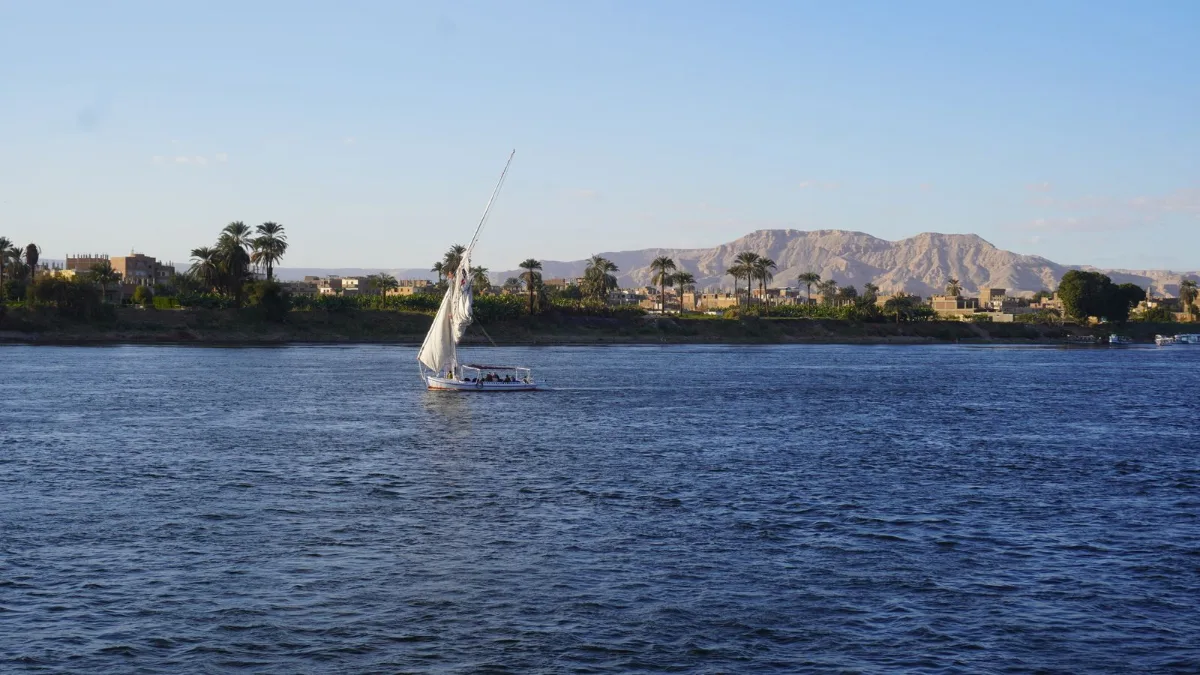
For all of recorded history, Egypt was the flood: too low meant famine, too high meant ruin. The High Dam ended that lottery — year-round irrigation, flood control, and electricity that at opening supplied about half the country. It also stopped the silt that had fertilized fields since the pharaohs (hello, fertilizer industry) and slowly nibbles the Delta coastline. Engineering triumph and ecological trade-off in one panorama: few stops anywhere carry this much modern history per minute.
The Nubian Cost and the Great Rescue
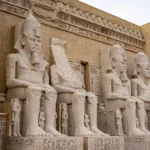
Lake Nasser drowned historic Nubia — dozens of villages and their world moved north, a story the Nubian Museum tells with dignity. The rising water also triggered UNESCO’s campaign that cut Abu Simbel and Philae into blocks and lifted them to safety — visit all three and the dam stop becomes the hinge of the whole southern story.
Visiting Information
| Detail | What to know |
|---|---|
| Location | ~13 km south of Aswan city |
| Time needed | 15–30 minutes: viewpoint, monument, photos |
| Combined with | Philae Temple + Unfinished Obelisk (the classic Aswan half-day) |
| Note | It is strategic infrastructure — photography from designated areas only |
Worth It?
Alone, no — as the 20-minute keystone between Philae, the museum and Abu Simbel, absolutely. That is exactly how our Aswan tours sequence it, with the guide’s telling making the difference between concrete and epic. Context: the Aswan travel guide.
The Aswan High Dam reshaped modern Egypt more than any other structure. A quick stop at the Aswan High Dam pairs well with Philae Temple. Aswan Dam (technical background)
FAQs About the Aswan High Dam
Can tourists visit the High Dam?
Yes — vehicles cross the crest and stop at the panorama points during daytime hours.
What is Lake Nasser?
The dam’s reservoir — among the world’s largest artificial lakes, stretching over 500 km into Sudan (where it is called Lake Nubia).
What happened to the temples in its path?
Over twenty monuments were relocated in the UNESCO campaigns — Abu Simbel and Philae most famously; Kalabsha too, near the dam itself.
High Dam or Old Dam?
The British-built 1902 Low Dam sits downstream — you pass it en route to Philae’s boat dock; the High Dam is the giant.
Doing the southern circuit? WhatsApp us — dam, Philae and obelisk fit one smooth morning.