
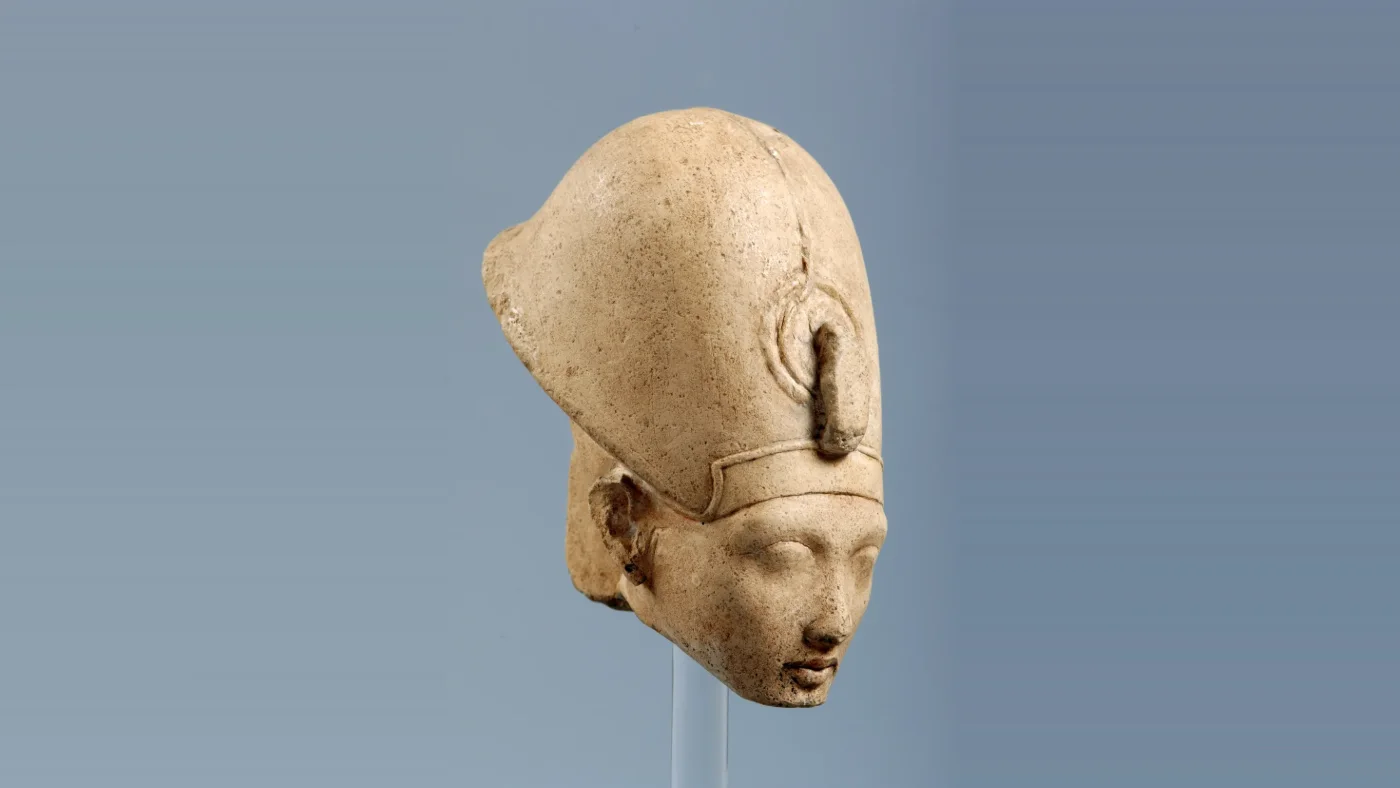
Why would a pharaoh turn his back on Egypt’s gods, build a capital in empty desert, and still keep scholars arguing 3,300 years later? These facts about King Akhenaten sound like fiction, yet the stones of Karnak, Amarna and Luxor Museum back most of them up.
Why Did a Pharaoh Rename Himself and Abandon Egypt’s Gods?
Because he believed one god, the Aten (the sun’s disk), deserved a place above all others. Born Amenhotep IV, he ruled for about seventeen years, ca. 1353-1336 BC, and took the name Akhenaten, roughly “effective for the Aten”, as he founded a new city for his god, according to the Metropolitan Museum of Art.
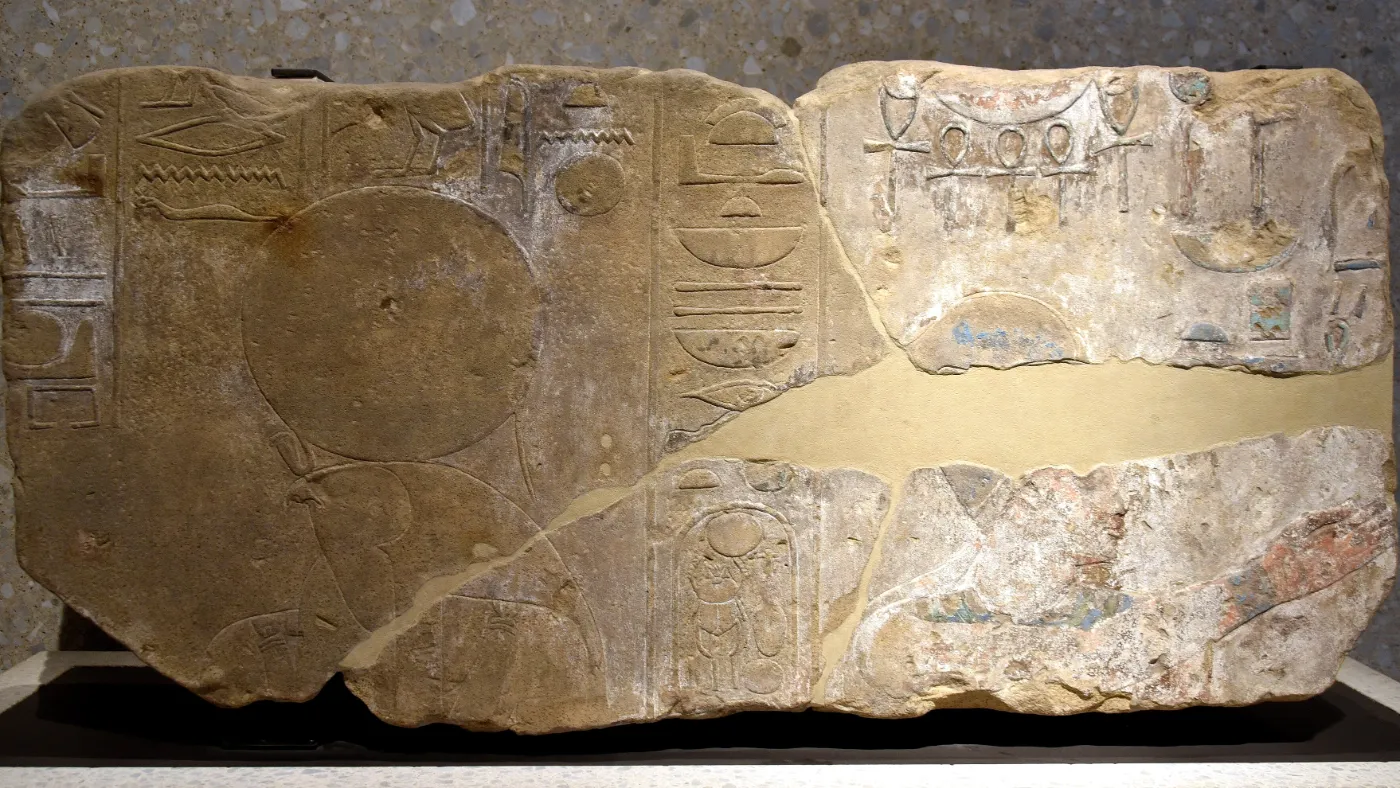
- Early years: he built at Karnak, and by year 4 the Aten’s name was written in royal cartouches.
- Year 5: fifteen boundary stelae marked out Akhetaten, today’s Amarna in Middle Egypt.
- Family at the center: Nefertiti rises as queen, and royal family scenes replace the old lineup of gods.
He never stopped being a king of the Nile. He simply rewrote what a king was for, and that is where the arguments begin.
Which Facts About King Akhenaten Are Proven and Which Are Still Debated?
Evidence falls into three piles: solid, likely and debated. Use this table before you repeat a famous claim on a tour.
| Popular claim | Verdict | What the evidence says |
|---|---|---|
| He invented monotheism | Debated | He made the Aten the main god and himself its sole interpreter. Scholars still argue whether that counts as true monotheism. |
| Nefertiti stood beside him | Solid | She emerges as queen around year 4 and fills Amarna-era scenes. |
| His odd body proves an illness | Debated | Marfan syndrome is the most quoted theory, but nothing is proven. The stretched style may be deliberate art. |
| He fathered Tutankhamun | Likely | A 2010 DNA study pointed to the KV55 mummy as Tutankhamun’s father. Most Egyptologists link that mummy to Akhenaten, though not all. |
| He was wiped from history | Mostly true | His city was dismantled and its blocks reused elsewhere, and later king lists skip him. |
| He wrote the Great Hymn to the Aten | Attributed | The hymn is inscribed in a tomb at Amarna. Whether the king composed it cannot be proved. |
Guide’s tip: when someone calls Akhenaten “the first monotheist” in front of a temple wall, ask what Amun’s priests thought. The answer changes the story.
What Did the Aten Revolution Look Like in Stone?
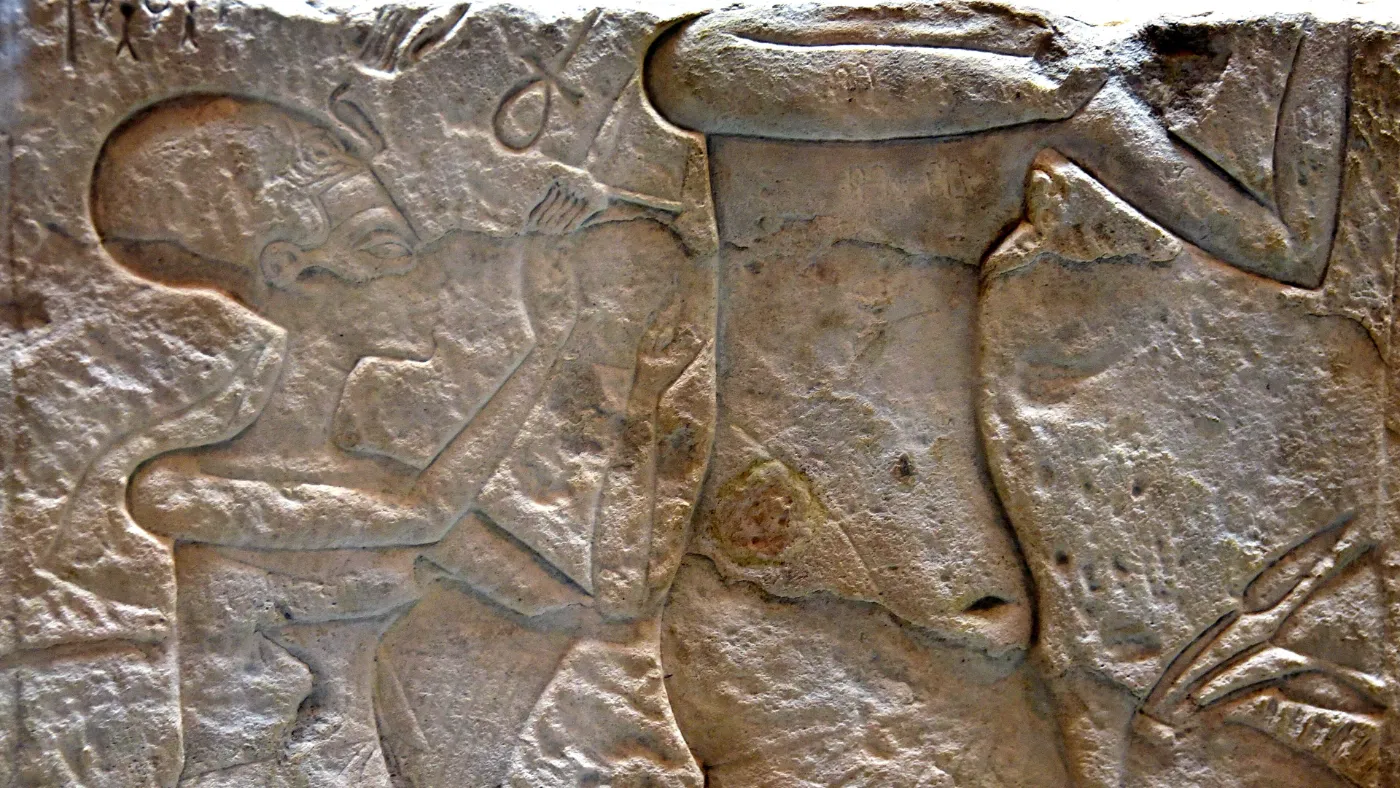
It looked open, bright and strangely human. Roofless temples let sunlight pour in, and builders swapped heavy blocks for small limestone talatat that one worker could carry. Artists drew long faces, soft hips and tender family scenes under rays that end in tiny hands.
Ready to read Aten scenes on real walls? Explore our Luxor tours and see how the revolution looks beside the temples it tried to outshine.
What Happened to Akhetaten After He Died?
The city emptied within a generation. The succession was troubled, Tutankhamun came to the throne, the court returned to Memphis, and Amun’s priority was restored. Akhetaten’s buildings were later dismantled and their blocks reused elsewhere, especially under Ramesses II.
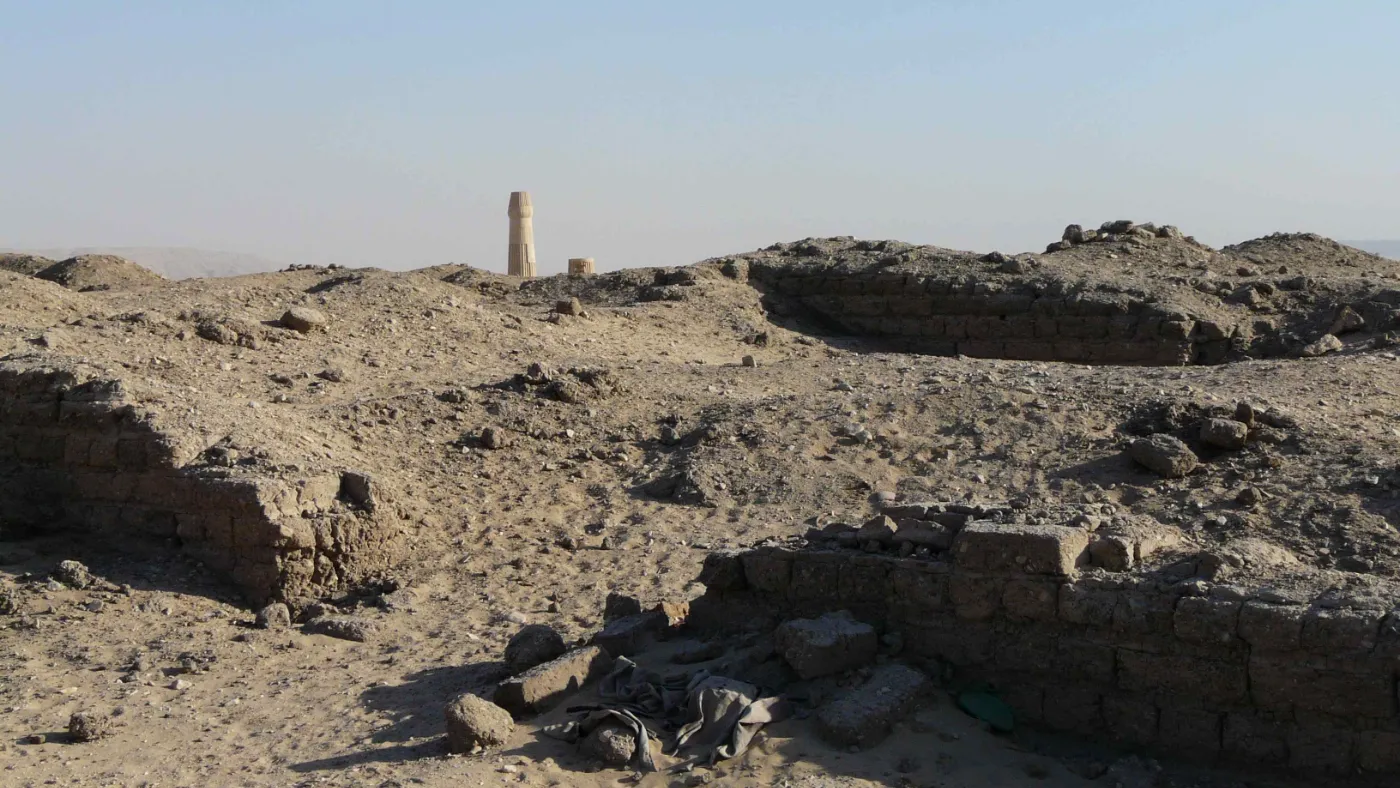
Yet the desert kept receipts. Clay tablets of diplomatic letters from the Amarna archive show a court writing to foreign kings, while the Met notes that later builders recycled the city’s temple blocks. For the wider timeline, see our guide to important historical events in Egypt.
Where Can You Follow Akhenaten’s Trail in Egypt Today?
Start in Luxor, then add Cairo and Middle Egypt if you have time. Each stop shows a different chapter.
- Luxor Museum: look for the reassembled wall of talatat blocks from his Karnak temples.
- Karnak Temple: where his reign began. Little of the Aten temples remains in place, so the museum helps.
- Valley of the Kings and Tutankhamun’s tomb: the family story continues here.
- Cairo: Amarna-era sculpture is shown in the city’s museums, so pair them with our Cairo sightseeing tours and check current gallery locations before you go.
- Amarna itself: it lies in Minya, between Cairo and Luxor. Facilities are limited, so arrange it with a licensed guide.
- Heading south afterwards? See our Aswan tours.
Short on time? Our Karnak and Luxor Temple tour fits the first chapters into a single day.
Questions Travelers Ask Before Chasing Akhenaten
Why do so many facts about King Akhenaten contradict each other?
Because the evidence is fragmentary. His city was dismantled, his name was omitted from later lists, and talatat blocks were scattered. Scholars read the same pieces differently.
Did Akhenaten really ban every other god?
He made the Aten the focus and sidelined Amun, whose priests regained power afterwards. Household finds at Amarna suggest ordinary families still kept familiar protective figures.
Where is King Akhenaten buried?
A royal tomb was cut in a wadi east of Amarna, but nobody can prove his body rested there. The KV55 mummy in the Valley of the Kings is often linked to him, and the debate continues.
Did Akhenaten have other wives besides Nefertiti?
Yes. Nefertiti was Great Royal Wife, and inscriptions also name Kiya as another wife of the king.
The Pharaoh Who Tried to Rewrite Everything
Akhenaten is one of the rare moments when Egypt rewrote its own rulebook, then spent generations burying the evidence. Standing before the talatat in Luxor or the royal wadi at Amarna turns those facts into something you can touch. Let us build a route that links Cairo, Luxor and Aswan: plan your Ancient Egypt journey with El Sultan Travel.