Have you ever visited a place that didn’t try to impress you—but somehow stayed with you longer than anywhere else?
That’s Aswan.
While many travelers come to Egypt for grand temples and fast-paced itineraries, those who reach Aswan often slow down without even realizing it. Life here moves differently, shaped by the Nile, Nubian culture, and a sense of calm that’s rare in modern travel. If you’re looking for the most meaningful things to do in Aswan, this guide is written for you—not as a checklist, but as a conversation.
Visit Philae Temple: Where History Meets the River
Why Philae Temple Feels Different
Philae Temple isn’t just another ancient site—it’s an experience that begins the moment you step onto a boat. As the temple slowly appears across the water, you understand why ancient Egyptians chose this island for worship.
What makes Philae special:
Dedicated to Isis, goddess of love, magic, and rebirth
Surrounded by the Nile, creating a spiritual, almost cinematic atmosphere
Smaller and more intimate than temples in Luxor
Travel Tip
Visit Philae early in the morning or late afternoon to avoid crowds and heat. A guided visit makes a huge difference here—the symbolism and mythology are easy to miss without context.
Related keywords: Philae Temple Aswan, Aswan sightseeing, ancient temples in Egypt
Sail the Nile on a Traditional Felucca
Why This Experience Matters
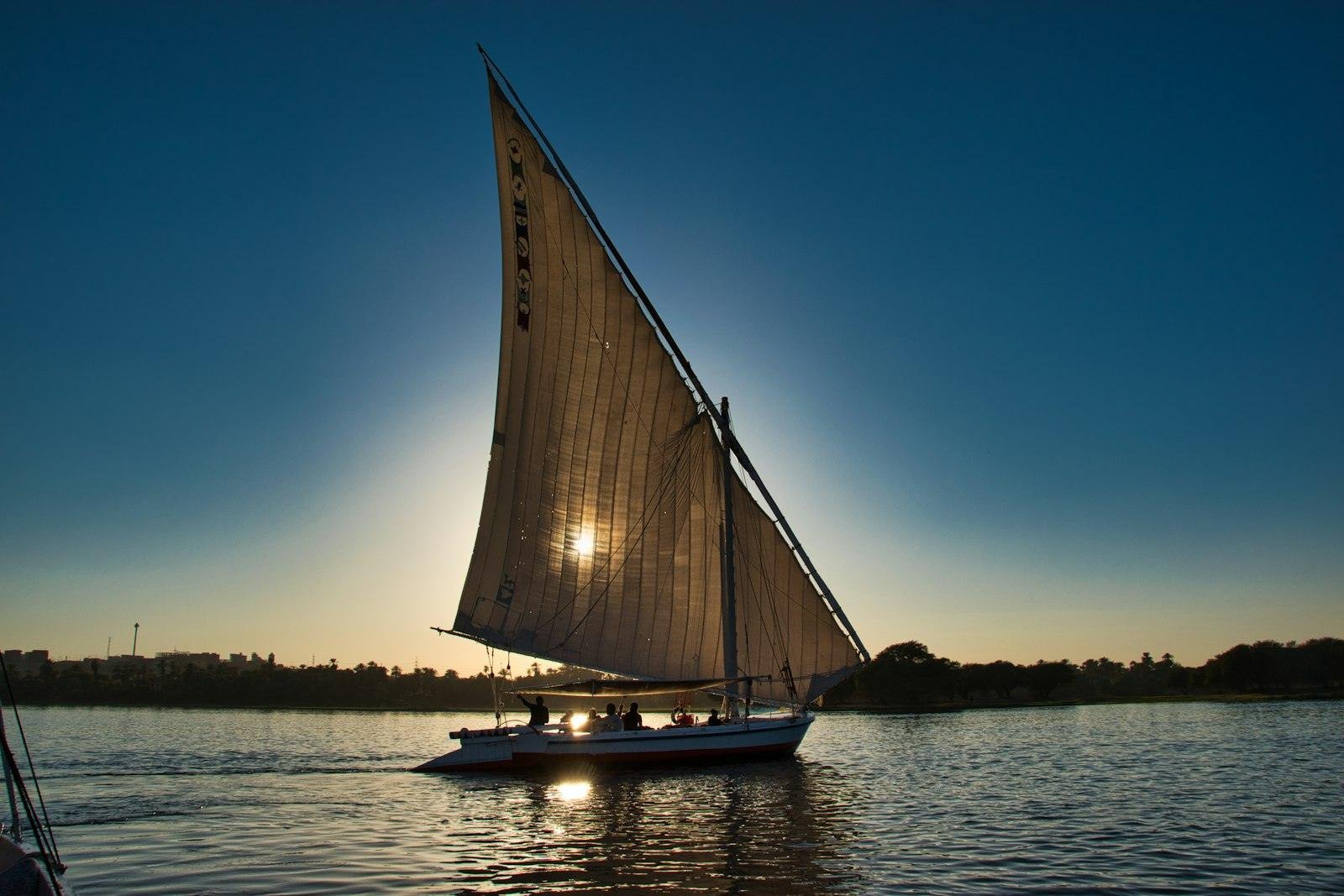
If you only do one relaxing activity in Aswan, make it a felucca sail. Unlike motorboats, feluccas move quietly, letting you hear the water, the wind, and sometimes nothing at all.
What you’ll notice:
Granite islands rising naturally from the Nile
Palm trees and desert hills blending into one landscape
A sense of stillness that’s rare while traveling
Travel Tip
Sunset sails are popular, but early afternoon rides often feel more private. Bring sunglasses, sunscreen, and let the crew handle the rest.
Related keywords: Nile felucca Aswan, Nile experiences in Aswan
Wake Up With the Nile: Aswan at Dawn (Exclusive Experience)
Why Morning Changes Everything
Most visitors experience Aswan between sightseeing stops. Very few see it before the city wakes up.
At dawn, you may see:
Fishermen quietly casting their nets
Feluccas drifting through soft morning light
Locals starting their day along the riverbank
This hour feels personal—almost like Aswan is showing itself only to you.
Travel Tip
This experience works best with a local guide who understands timing and access. It’s not about where you go, but when you go.
Experience Nubian Culture in a Local Village
What Makes Nubian Villages Unique
Aswan is the gateway to Nubian culture in Egypt. Visiting a Nubian village isn’t about photos—it’s about people.
What you’ll experience:
Brightly painted homes with symbolic designs
Warm hospitality inside family houses
Stories of history, displacement, and cultural pride
Travel Tip
Choose visits that focus on interaction, not performances. A short conversation can teach you more than a staged show.
Related keywords: Nubian village Aswan, Nubian culture Egypt, cultural experiences in Aswan
Tea With a Nubian Elder (Exclusive Experience)
Why This Moment Stays With You
Sometimes, the most powerful travel moments happen sitting down. Sharing tea with a Nubian elder opens a door to stories rarely told—about life before the High Dam, forced relocation, and resilience.
Why it’s special:
Unscripted conversations
Emotional, human perspectives
A sense of trust and exchange
This isn’t tourism—it’s connection.
Discover the Unfinished Obelisk
What You Learn Here
The Unfinished Obelisk shows ancient Egypt mid-process. Still attached to the bedrock, it explains how obelisks were carved—and why sometimes even pharaohs had to stop.
You’ll understand:
Ancient stone-cutting techniques
Engineering challenges and mistakes
The reality behind monumental ambition
Travel Tip
This site is short but powerful. Pair it with Philae or Elephantine Island for a balanced half-day.
Walk Through Elephantine Island
Why Elephantine Feels So Local
Elephantine Island isn’t polished—and that’s the point. It’s where archaeology, Nubian life, and the Nile meet naturally.
What you’ll see while walking:
Ancient ruins next to modern homes
Children walking to school
Quiet paths overlooking the river
Travel Tip
Wear comfortable shoes and walk slowly. This island rewards observation, not rushing.
Hidden Nile Viewpoints Locals Love (Exclusive)
Why These Places Aren’t Online
Some of the best views in Aswan don’t have names. Locals know where the Nile curves perfectly, where sunsets feel uninterrupted.
Why travelers love them:
No crowds
No noise
Just landscape and light
These moments are often remembered more than famous landmarks.
Relax at the Aswan Botanical Garden
When You Need a Pause
The Aswan Botanical Garden is perfect when you want shade, greenery, and silence.
Why it’s worth visiting:
Rare plants from different continents
Cool breezes off the water
Panoramic Nile views
Travel Tip
Visit midday when the heat is highest elsewhere. The garden stays cooler than the city.
Related keywords: Aswan Botanical Garden, nature in Aswan
The Nubian Kitchen Experience: Cooking With Locals (Exclusive)
Why Food Creates Connection
Instead of ordering Nubian food, imagine learning how it’s prepared. Cooking with a local family reveals how ingredients, tradition, and memory come together.
What you gain:
Hands-on cooking experience
Cultural context behind each dish
A shared meal, not just a service
Take a Day Trip to Abu Simbel
Why It’s Worth the Early Start
Abu Simbel is often described as overwhelming—in the best way. The scale, symmetry, and symbolism of these temples leave a deep impression.
Why travelers value it:
One of Egypt’s greatest achievements
Emotional impact beyond photos
A true bucket-list experience
Travel Tip
Start early and go with a professional operator to avoid fatigue and logistics stress.
Aswan by Night: See the City as Locals Do (Exclusive)
What Changes After Sunset
Aswan evenings are calm and social. Families walk the Corniche, cafés fill with conversation, and the Nile reflects soft city lights.
Why it matters:
You experience real daily life
No crowds, no performances
A feeling of belonging
Why Aswan Is Perfect for Slow, Meaningful Travel?
Aswan Is Ideal If You:
Prefer depth over speed
Enjoy cultural exchange
Travel privately or in small groups
Value atmosphere as much as attractions
Aswan doesn’t rush you—and it doesn’t want to be rushed.
Frequently Asked Questions (FAQs)
What are the best things to do in Aswan?
Top experiences include Philae Temple, felucca sailing, Nubian village visits, Elephantine Island, and Abu Simbel.
How many days are enough in Aswan?
Two to three days allow you to explore comfortably without rushing.
Is Aswan safe for tourists?
Yes. Aswan is considered one of Egypt’s safest and most relaxed cities.
Can I book private tours in Aswan?
Private and tailor-made tours are highly recommended for flexibility and deeper experiences.
When is the best time to visit Aswan?
October to April offers the most pleasant weather.
Aswan doesn’t try to impress you—it invites you in. And once you slow down, listen, and connect, you’ll understand why so many travelers call it their favorite place in Egypt.
👉 Explore Our Aswan Tours
Explore Aswan beyond the guidebooks.
Discover thoughtfully curated Aswan tours with Elsultan Travel, designed for travelers who value authenticity, comfort, and insight.
👉 Contact Us to Plan Your Trip
✨ Planning your Egypt journey? Let’s make it personal.
Contact Elsultan Travel to design a customized Aswan experience that fits your pace and interests.
📩 Reach out today—and experience Aswan the way few travelers ever do.
Ready to explore? Browse our Aswan tours or sail on a 3-night Dahabiya Nile cruise.
Further reading: Aswan.
To recap the essential things to do in Aswan: sail a felucca at sunset, cross to Philae at opening time, spend a slow afternoon in the Nubian villages, and save one morning for Abu Simbel. The best things to do in Aswan reward an unhurried pace — two or three days lets you cover the main things to do in Aswan without ever feeling rushed, and the quieter things to do in Aswan, like the Nubian Museum and the botanical garden, are often the ones travelers remember most.