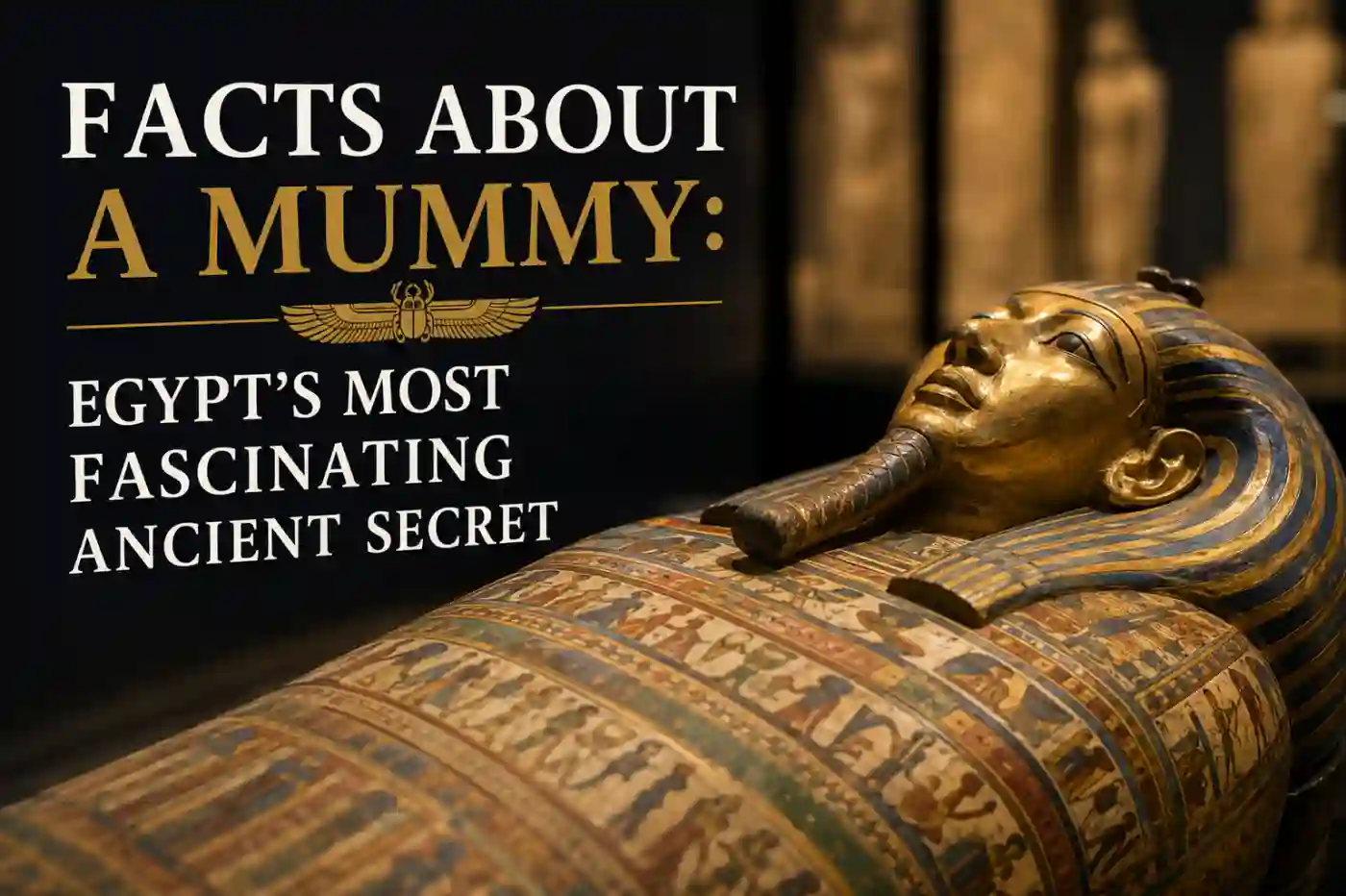
What does it feel like to stand face to face with a person who lived 3,000 years ago? Egypt doesn’t answer that question with a photo — it answers it in person. From royal burial chambers to world-class museums, the most important facts about a mummy aren’t just things to read about. They’re things to witness, feel, and remember.
It Took 70 Days to Make a Mummy
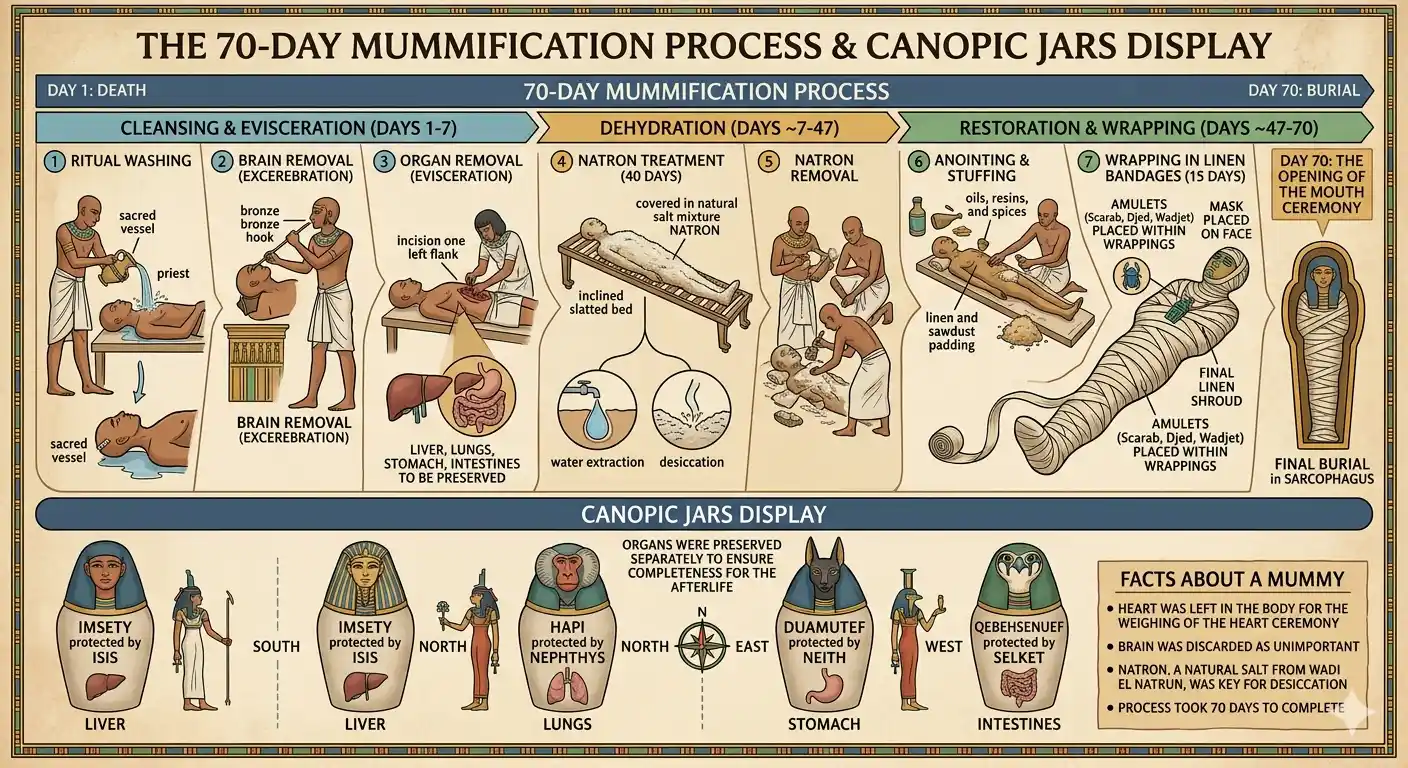
The mummification process was a precise, 70-day ceremony carried out by specialized priests — not a simple burial ritual.
- The body was purified and washed with Nile water and palm wine
- The brain was removed through the nostril using a hooked metal tool
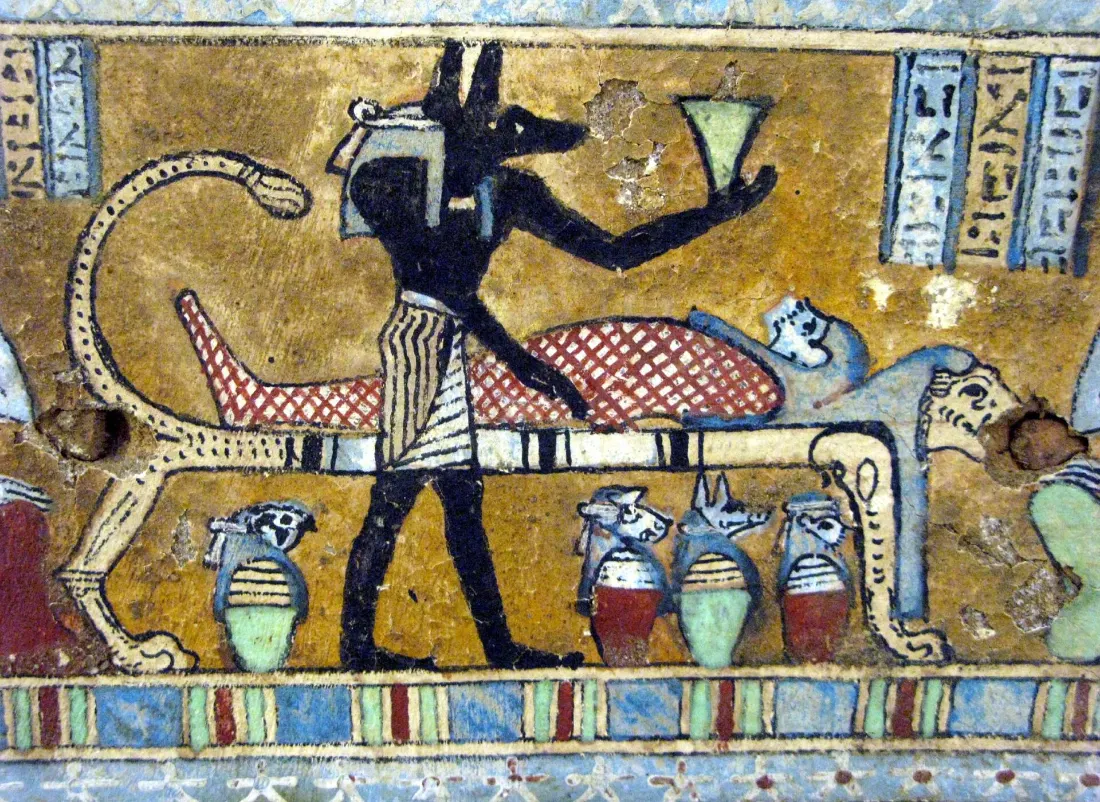
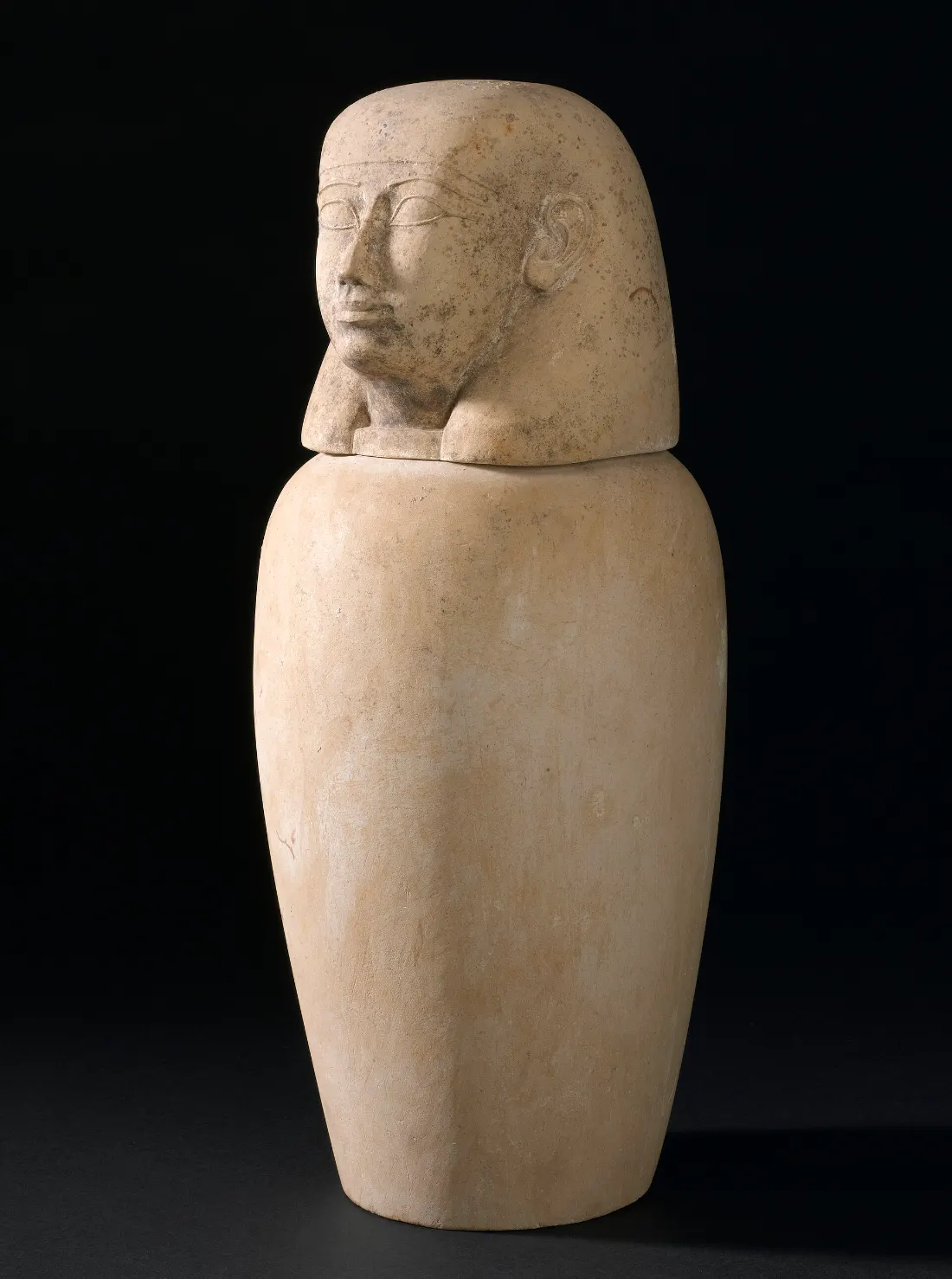
- Internal organs were preserved separately in four canopic jars
- The heart was left inside — believed to be the seat of the soul
- The body was packed in natron salt for 40 days to dry completely
- Finally wrapped in hundreds of meters of linen bandages

Illustrated diagram of the 70-day mummification process + canopic jars display
✅ Pro Tip: The Egyptian Museum in Cairo has one of the world’s finest collections of canopic jars and mummification tools. The Royal Mummies Hall alone is worth the trip.
Not All Mummies Were Pharaohs
One of the most surprising facts about a mummy is that mummification wasn’t exclusive to royalty. Ancient Egyptians offered three tiers of preservation:
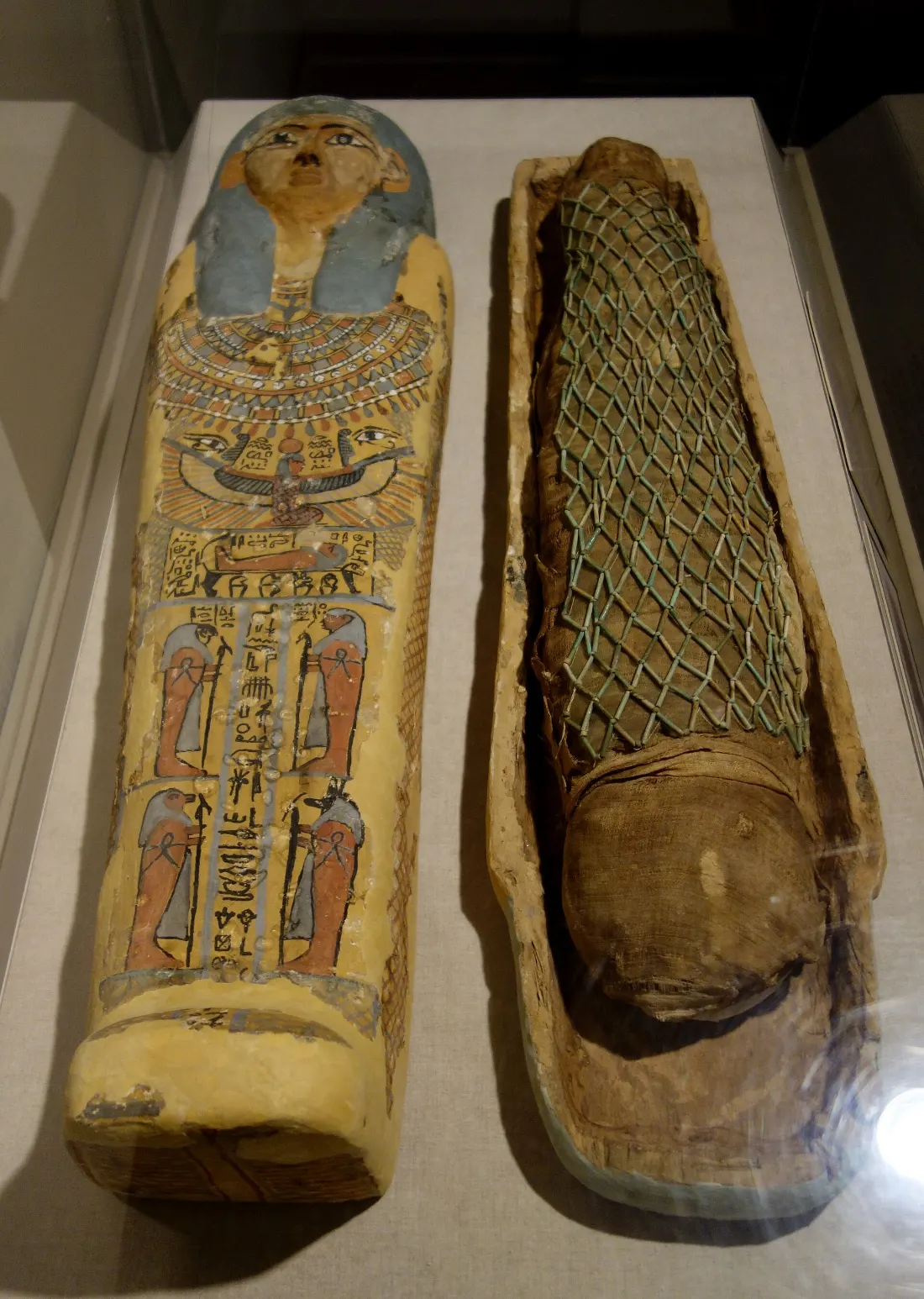
- Premium: Full 70-day process with canopic jars, amulets, and a decorated coffin
- Middle class: Simplified preservation with cedar oil injection
- Basic: Body dried in natron salt with minimal wrapping
Animals were mummified too — cats, crocodiles, ibises, baboons, and bulls — as offerings to the gods.

Animal mummies display at the Egyptian Museum Cairo
✅ Pro Tip: The Crocodile Museum at Kom Ombo Temple near Aswan displays real crocodile mummies found inside the temple. One of the most unusual exhibits in all of Egypt.
The Oldest Known Mummy Is Over 5,500 Years Old
Long before the pharaohs formalized mummification, the Egyptian desert was naturally preserving bodies. The oldest known mummy, nicknamed “Gebelein Man,” dates to around 3500 BC — predating the pyramids by nearly 1,000 years.
- Found in the desert near Gebelein, Upper Egypt
- Naturally preserved by hot, dry sand
- Still has visible red hair and intact skin
- Currently held at the British Museum in London
📸 Image: Gebelein Man or similar naturally preserved predynastic mummy Alt text: facts about a mummy — oldest known Egyptian mummy Gebelein Man
Tutankhamun’s Mummy Changed Egyptology Forever
Discovered in 1922 by Howard Carter, Tutankhamun’s mummy is the most studied human body in history. According to the Smithsonian Institution, CT scans revealed evidence of malaria and a fractured leg — contributing factors to his early death. Key facts:
- He died young — between 17 and 19 years old
- His heart was missing from the mummy — still unexplained by researchers
- He was mummified in an unusual position for Egyptian royal burials
- Over 5,000 objects were found in his tomb, many still being studied today

Tutankhamun’s golden death mask — Grand Egyptian Museum
✅ Pro Tip: The Grand Egyptian Museum near Giza now displays the complete Tutankhamun collection for the first time in history. Book your tickets through Sultan Travel to guarantee entry to the Tutankhamun galleries.
Mummies Were Once Used as Medicine in Europe
One of the stranger facts about a mummy is what happened to thousands of them in the Middle Ages. Ground mummy remains were sold across Europe as a medical treatment called “mumia” — believed to cure epilepsy, bruising, and internal bleeding.
- The trade nearly depleted Egypt’s mummy supply
- European pharmacies openly sold powdered mummy into the 18th century
- Some mummies were ground into brown paint pigment called “Mummy Brown”
- The practice only ended when painters discovered what the pigment actually was
The Mummy of Ramesses II Is Still Being Studied
Ramesses II — Egypt’s greatest pharaoh — was mummified over 3,200 years ago. Scientists are still making new discoveries from his remains.
- His mummy shows severe arthritis and dental decay in old age
- He stood approximately 1.83 meters tall — exceptionally tall for ancient Egyptians
- His red hair was preserved by henna applied after death by ancient priests
- In 1974, his mummy was flown to Paris with an Egyptian passport — the only mummy to ever receive one
- French scientists treated him for a fungal infection and returned him to Cairo

Ramesses II mummy at the National Museum of Egyptian Civilization, Cairo
✅ Pro Tip: The NMEC in Cairo houses 22 royal mummies in a purpose-built, climate-controlled hall. The experience is silent, cinematic, and genuinely moving. If you’re short on time, choose NMEC over the older Egyptian Museum.
Where to See Real Mummies in Egypt Today
- NMEC Cairo — 22 royal mummies including Ramesses II and Hatshepsut
- Egyptian Museum, Tahrir Square — extensive mummy collection + canopic jars gallery
- Grand Egyptian Museum, Giza — Tutankhamun and selected royal mummies
- Luxor Museum — two beautifully displayed New Kingdom mummies
- Mummification Museum, Luxor — dedicated entirely to the mummification process
- Crocodile Museum, Kom Ombo — animal mummies in their original temple setting

NMEC Royal Mummies Hall + Luxor Mummification Museum entrance
Annual Events Where Mummies Take Center Stage
Some of the most compelling facts about a mummy come alive during Egypt’s annual events — making them worth planning a trip around.
Tutankhamun’s Discovery Anniversary — November 4
- Marks Howard Carter’s 1922 discovery of KV62
- Valley of the Kings holds special events and extended opening hours
- Egyptology lectures and guided tours run throughout the week
Grand Egyptian Museum Anniversary Events
- Annual celebrations draw international Egyptologists
- Special late-night museum access occasionally offered
Luxor International Mummy Congress
- Scientists and historians convene in Luxor to share new mummy research
- One of the most academically significant events in Egyptology

Valley of the Kings entrance at dusk + Tutankhamun anniversary exhibition signage
Quick Facts About a Mummy — At a Glance
| Fact | Detail |
|---|---|
| Mummification duration | 70 days |
| Oldest known mummy | Gebelein Man, ~3500 BC |
| Most studied mummy | Tutankhamun (discovered 1922) |
| Organs stored in | Canopic jars (4 jars) |
| Salt used for preservation | Natron |
| Most famous royal mummies hall | NMEC, Cairo (22 royal mummies) |
| Animal mummies found | Cats, crocodiles, ibises, baboons, bulls |
| Mummy used as medicine in Europe | “Mumia” — sold until the 18th century |
FAQ
Q1: What are the most important facts about a mummy in ancient Egypt?
The most important facts about a mummy include the 70-day mummification process, the separate preservation of organs in canopic jars, the use of natron salt, and the ancient belief that preserving the body was essential for eternal life. Animals were also mummified as offerings to the gods.
Q2: Where can you see real mummies in Egypt?
The best places are the NMEC in Cairo (22 royal mummies), the Egyptian Museum in Tahrir Square, the Grand Egyptian Museum near Giza, the Luxor Museum, and the Mummification Museum in Luxor.
Q3: How old is the oldest mummy ever found in Egypt?
“Gebelein Man” dates to approximately 3500 BC — over 5,500 years old. He was naturally preserved by hot desert sand near Gebelein in Upper Egypt, predating formal pharaonic mummification by nearly 1,000 years.
Q4: Were animals mummified in ancient Egypt?
Yes. Cats, crocodiles, ibises, baboons, and bulls were mummified as religious offerings. The Crocodile Museum at Kom Ombo Temple near Aswan is one of the best places to see animal mummies today.
Q5: What happened to Ramesses II’s mummy?
In 1974 it was flown to Paris — with an Egyptian passport — for emergency treatment of a fungal infection. Today it is displayed at the NMEC in Cairo, where ongoing scientific study continues to reveal new details about his life.
Conclusion
The facts about a mummy are never just facts — they’re doorways into a civilization that spent centuries perfecting the art of eternity. Every mummy, every tomb, and every canopic jar is still here, waiting to be seen in person.
Egypt doesn’t ask you to imagine history. It shows it to you.