What if Egypt’s oldest remembrance ritual was a party? The Beautiful Festival of the Valley sent Thebes across the Nile every year to feast with its dead, and you can still trace the route today.
Why Is Luxor the Best Place to Follow the Beautiful Festival of the Valley?
Because the festival’s whole stage still stands: Karnak on the East Bank, the temples and tombs of the dead on the West Bank, and the river between them. The practical side is friendly too.
- The route is compact. Karnak, a short Nile crossing and the West Bank temples fit into two easy days.
- November in Luxor averages about 28°C by day and 13°C at night, as our Luxor weather guide shows.
- A flight from Cairo to Luxor takes about an hour, so even a long weekend works.
- Luxor preserves one of history’s best-documented traditions of visiting the family tomb.
The Festival Where Thebans Picnicked With Their Ancestors
It was the greatest festival of the Theban necropolis. Each year the statue of Amun left Karnak, crossed the Nile and visited the temples of the dead on the West Bank.
Think of it as a family reunion with the dead. Here is how it worked.
- It began at the new moon of the second month of the Shemu season and ran for several days.
- Statues of Amun, Mut and Khonsu travelled by sacred barque, according to the Metropolitan Museum of Art.
- Families followed to the cemeteries with flowers and offerings of food and drink.
- They feasted beside their relatives’ tombs, so the mood was joyful, not gloomy.
The Digital Egypt project at UCL sums it up neatly: families feasted with their deceased relatives while the god visited the royal temples nearby. A painting from the tomb of Amenmose, copied by the artist Charles K. Wilkinson in 1930-31, shows the barque landing on the West Bank.
Follow the Barque: Five Stops From Karnak to the West Bank
Start at Karnak, cross the river and finish at sunset among the tombs. Each stop below played a part in the festival, or belongs to the same sacred landscape.
| Stop | Why it fits the festival |
|---|---|
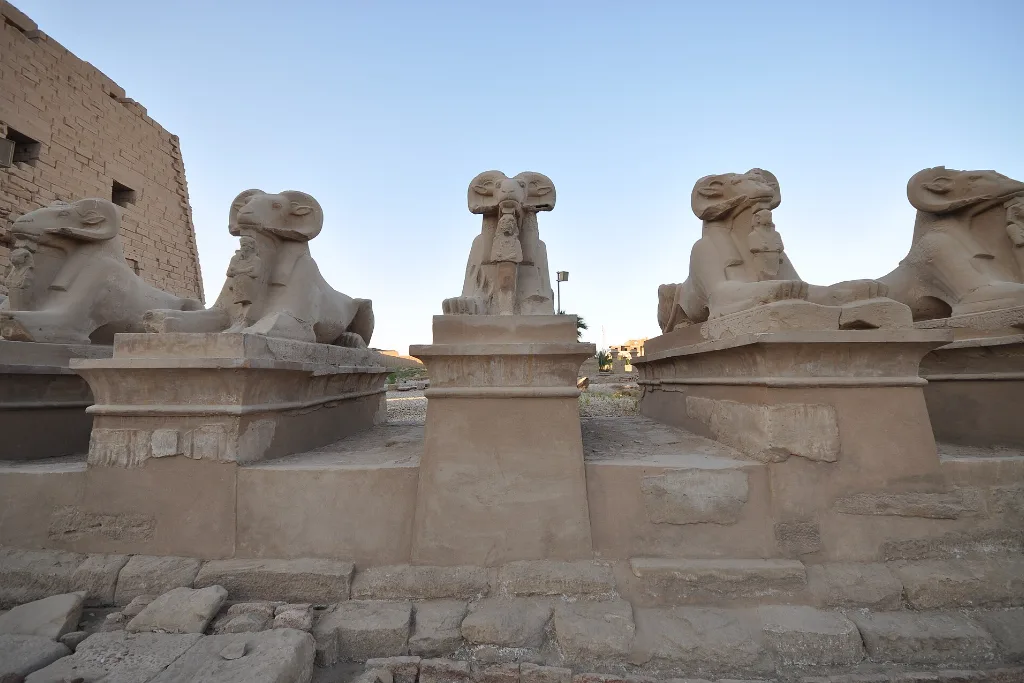
| Karnak Temple | Amun’s home on the East Bank, where the barque set out. Walk the ram-headed sphinx avenue first. |
| The Nile crossing | The procession moved from the land of the living to the land of the dead. A short ferry hop does the same today. |
| Hatshepsut Temple | Upper-courtyard reliefs show a barque festival that Polish archaeologists call the Beautiful Feast of Djeser-Djeseru. |
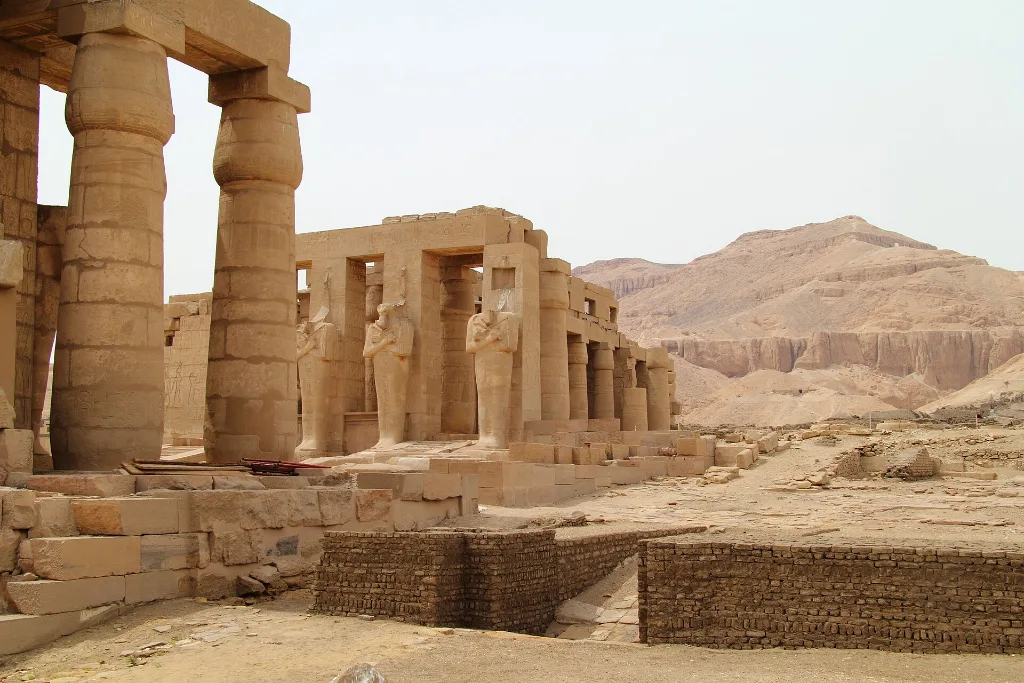
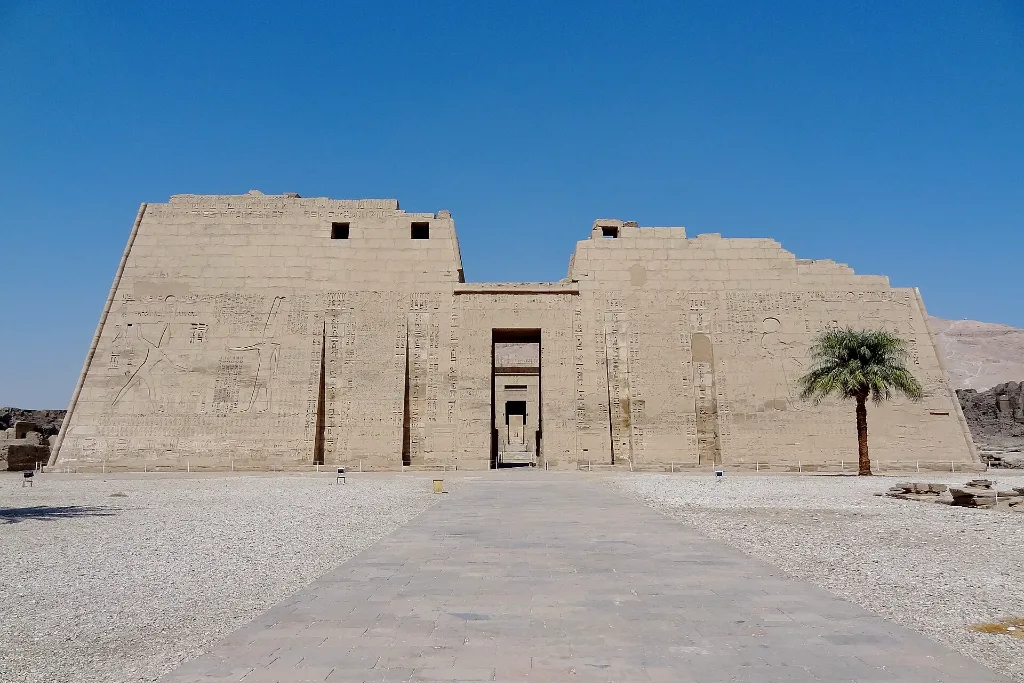
| Ramesseum and Medinet Habu | Mortuary “temples of millions of years”, the kind of West Bank sanctuary the god’s statue visited. |
| Deir el-Medina | The craftsmen’s village counted the Valley feast among its major festivals. |
Ready to cross the river the way Amun’s barque did? Our East and West Banks of Luxor day tour links all five stops in one day.
Can You Remember Your Own Loved Ones in Luxor?
Yes. Nothing stops you from taking a quiet moment, and the setting does half the work. Keep it simple.
- Bring a photo or a handwritten note. Most temples are no place for open flames.
- Hold a single flower for a minute by the river. The blue lotus was the festival’s own bloom.
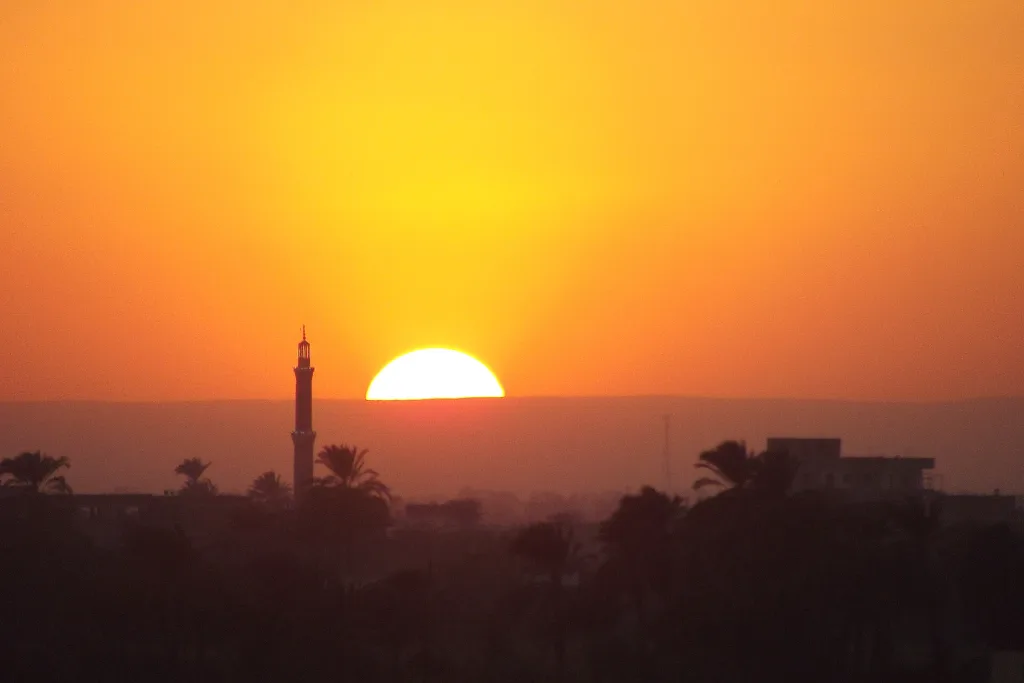
- Time it for sunset. The sun sets in the west, which the ancient Egyptians saw as the realm of the dead.
- Prefer a church? Spend one morning in Cairo’s Coptic quarter first, starting with The Hanging Church in Cairo.
Field note from the West Bank: go to Hatshepsut Temple at opening and keep the river for last. The cliffs behind the temple hold the sun, so even in November late morning feels warm. Save shade and lunch for midday, and let the light do the rest.

Want someone to read the reliefs with you? Let a guide keep the story straight on our Karnak and Luxor Temple tour.
How Do You Fit the Trail Into a Three-Day Trip?
Base yourself in Luxor and give the West Bank one full day. Here is a rhythm that works.
- Day 1: Arrive and walk Karnak in the late-afternoon light. Start with the sphinx avenue.
- Day 2: Cross to the West Bank. Visit Hatshepsut Temple, the Ramesseum and Medinet Habu, then watch the sunset from the river. Add the Valley of the Kings if you start early.
- Day 3: Take the Dendera and Abydos day trip. Abydos was the great pilgrimage place of Osiris, lord of the dead.
Longer break? Add the pyramids from Cairo, Philae from Aswan or Red Sea sand from Hurghada. Want the river to do the travelling? Sail Luxor to Aswan on our 4-night Nile cruise. For more ideas, browse our things to do in Luxor guide.
Quick Answers About the Beautiful Festival of the Valley
Is three days in Luxor enough to follow the Beautiful Festival of the Valley route?
Yes. Fly in, give Karnak one afternoon and the West Bank one full day. Day three is for Abydos, or for a dawn balloon ride.
Do Egyptians still visit their dead at feast times?
Yes, many do. Egypt has no single national grave-visiting day, but many families visit cemeteries around feast days. Coptic Christians follow their own calendar of commemorations.
Which Luxor temple shows the ancient festival of the dead?
Hatshepsut Temple. Reliefs on its upper-courtyard walls show a barque procession. Researchers now label it the Beautiful Feast of Djeser-Djeseru.
What should I wear to the tombs and temples?
Light layers, closed shoes for sand and stairs, and a hat. Cover shoulders and knees as a sign of respect, especially if you visit a church too.
Let the West Bank Do the Remembering
The Beautiful Festival of the Valley was never about gloom. It was about standing where people have honoured their dead for roughly 4,000 years, then watching the sun set behind their hills. Three days in Luxor are enough to feel it.
Ready to plan it? Browse our Luxor tours and we will shape the days around your calendar.