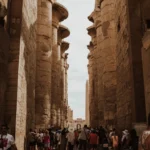
The Egyptian gods and goddesses were not distant abstractions — they were carved into every temple wall, painted on every tomb ceiling, and woven into every hour of ancient life. This guide introduces the major deities, how they relate to each other, and — because we are Luxor-based travel guides, not just writers — exactly where you can stand face to face with each of them in Egypt today.
Quick Answer: The most important ancient Egyptian gods and goddesses are Ra (the sun), Amun (the hidden king of gods), Osiris (the afterlife), Isis (magic and motherhood), Horus (kingship), Hathor (love and joy), Anubis (mummification), Thoth (wisdom), Sekhmet (war), Ptah (creation), Seth (chaos) and Ma’at (truth and cosmic order). Egyptian religion was fluid: gods merged, shared roles and changed over 3,000 years.
- Over 1,500 named deities existed — but a core family drove the great myths.
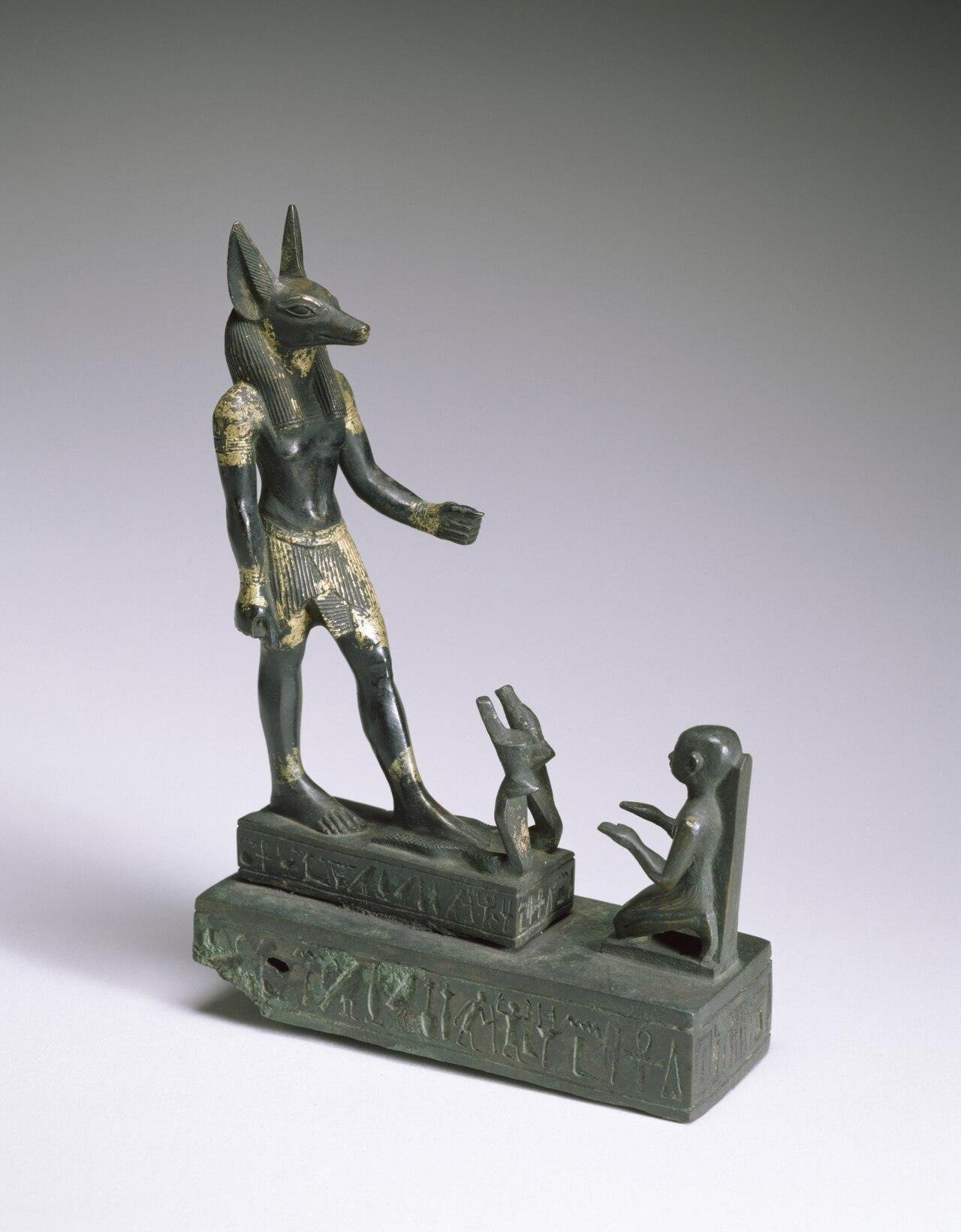
- Gods were “seen” through animals: the falcon of Horus, the jackal of Anubis.
- Every major deity still has an address: a temple or tomb you can visit.
The Great Ennead: The Family at the Heart of the Myths
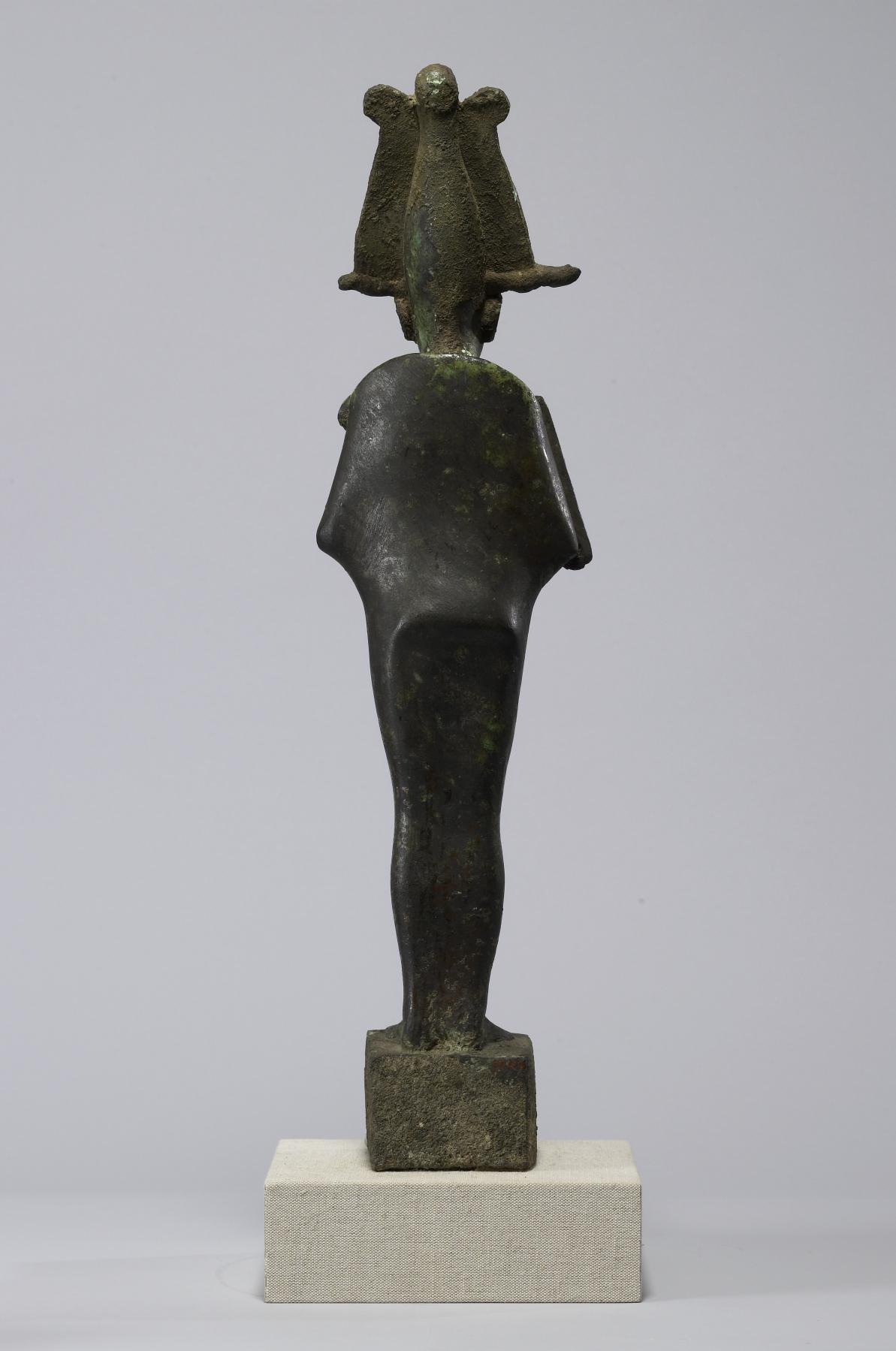
Egypt’s central story is a family drama. The creator Atum-Ra brings forth Shu (air) and Tefnut (moisture); their children Geb (earth) and Nut (sky) produce four siblings — Osiris, Isis, Seth and Nephthys — whose conflict powers the whole mythology: Seth murders Osiris; Isis resurrects him long enough to conceive Horus; Horus battles Seth to avenge his father and win the throne. Every pharaoh ruled as the living Horus, and every dead pharaoh became an Osiris. Once you know this story, half the walls in Egypt start talking.
The Major Gods and Goddesses at a Glance
| Deity | Role | Appearance | Where to meet them |
|---|---|---|---|
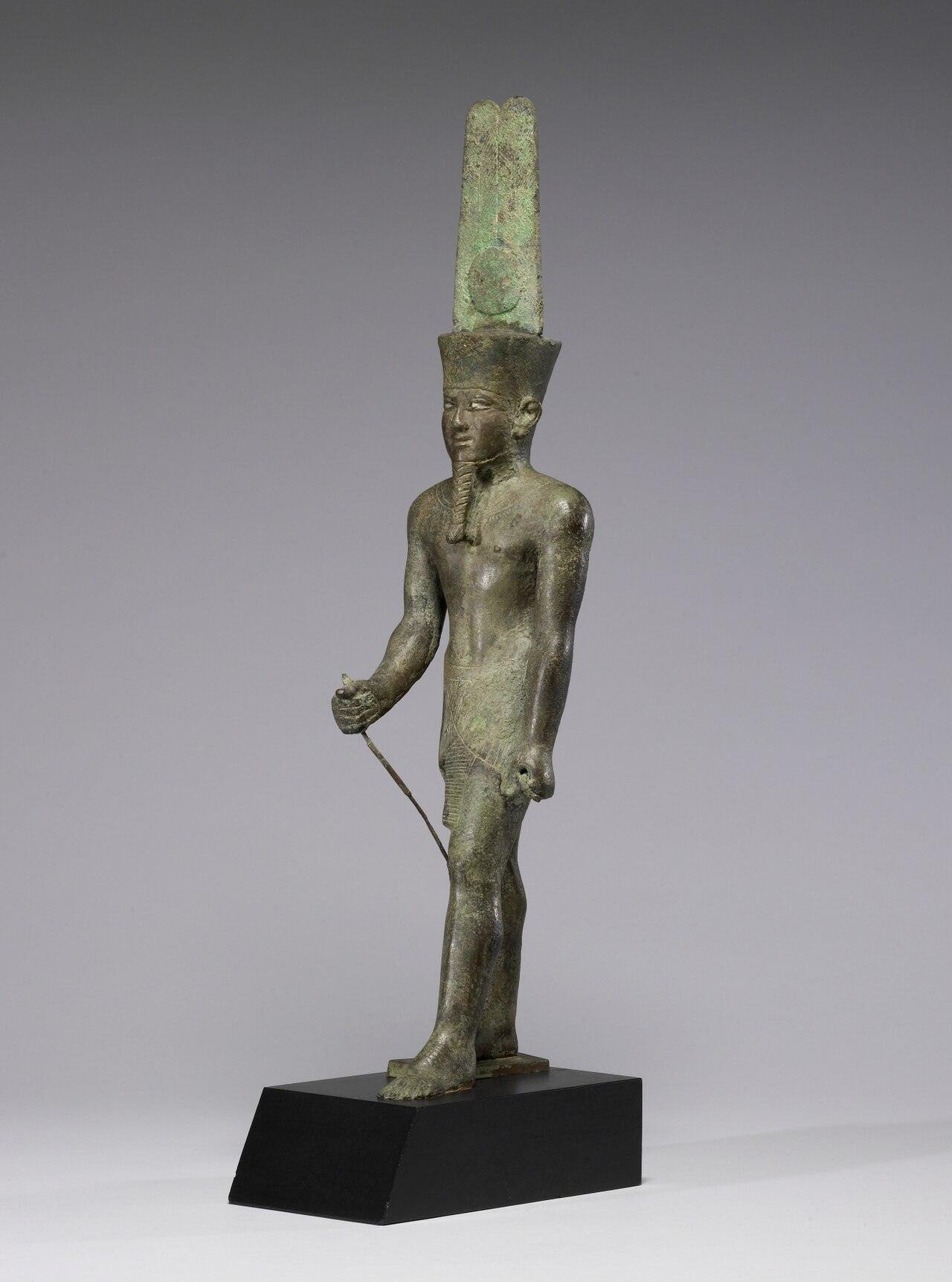
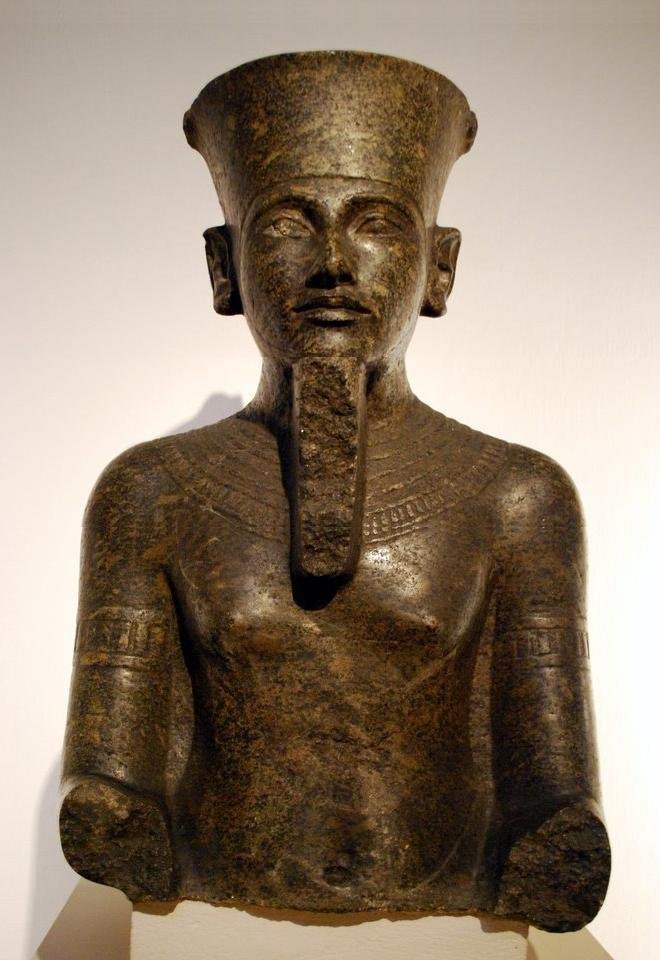
| Amun-Ra | King of the gods, the sun | Man with double-plumed crown / ram | Karnak Temple, Luxor |
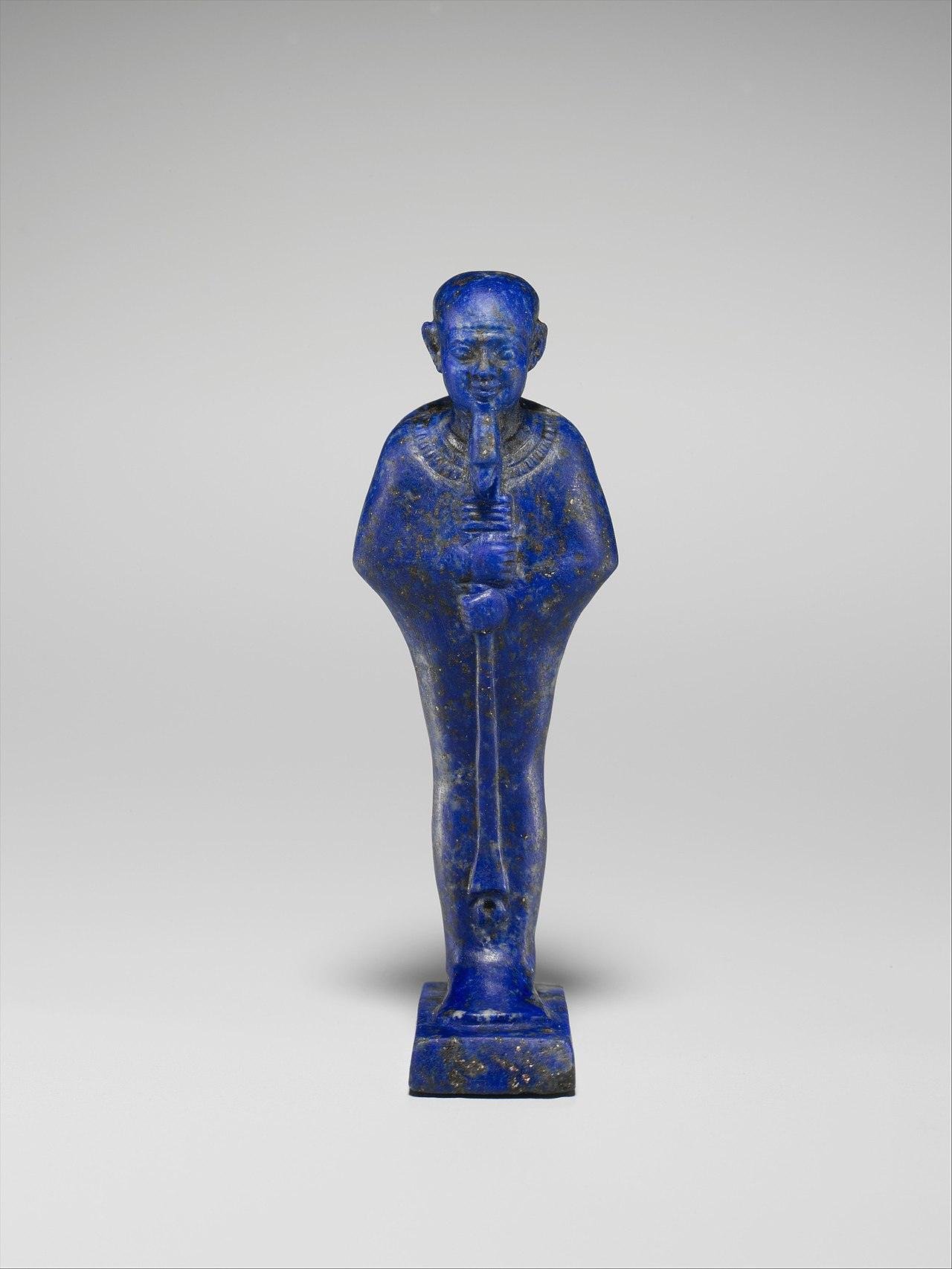
| Osiris | Lord of the afterlife | Green-skinned mummy with crook & flail | Abydos; royal tombs in the Valley of the Kings |
| Isis | Magic, motherhood, protection | Woman with throne crown, often nursing Horus | Philae Temple, Aswan |
| Horus | Kingship, the sky | Falcon or falcon-headed man | Edfu Temple |
| Hathor | Love, music, joy | Woman with cow horns and sun disk | Dendera — see our Dendera & Abydos trip |
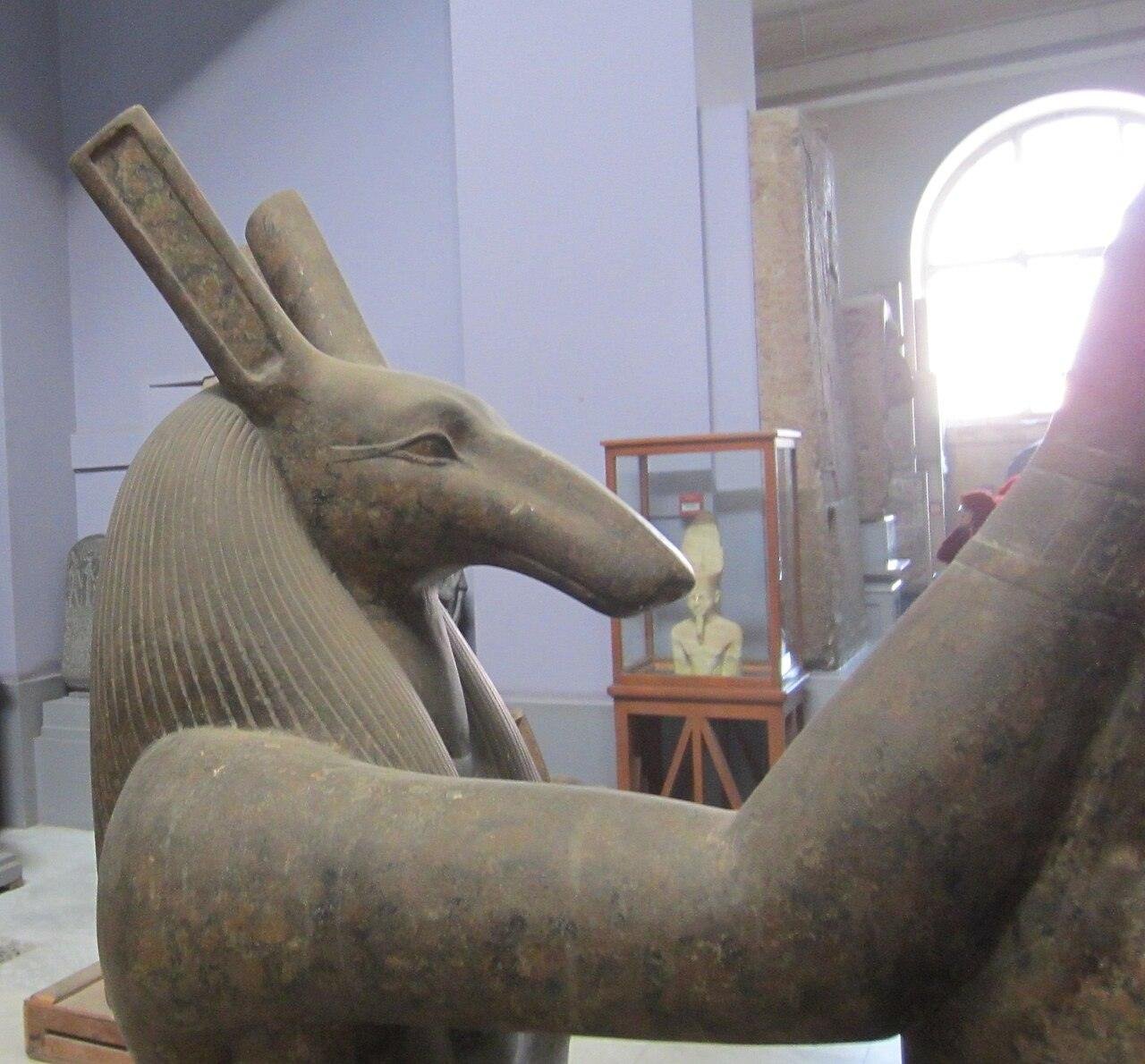
| Anubis | Mummification, cemeteries | Jackal or jackal-headed man | Tomb walls across the royal necropolis |
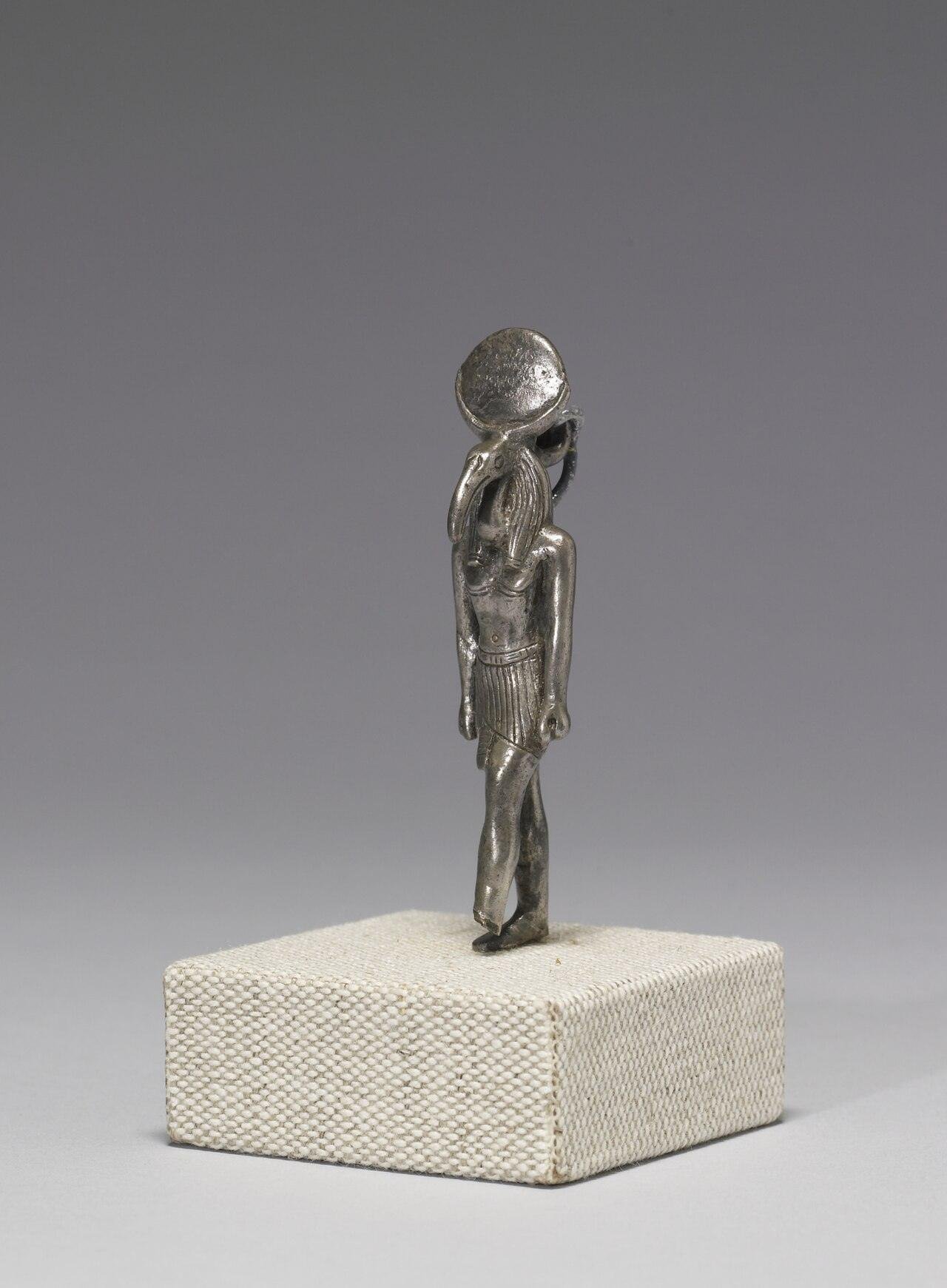
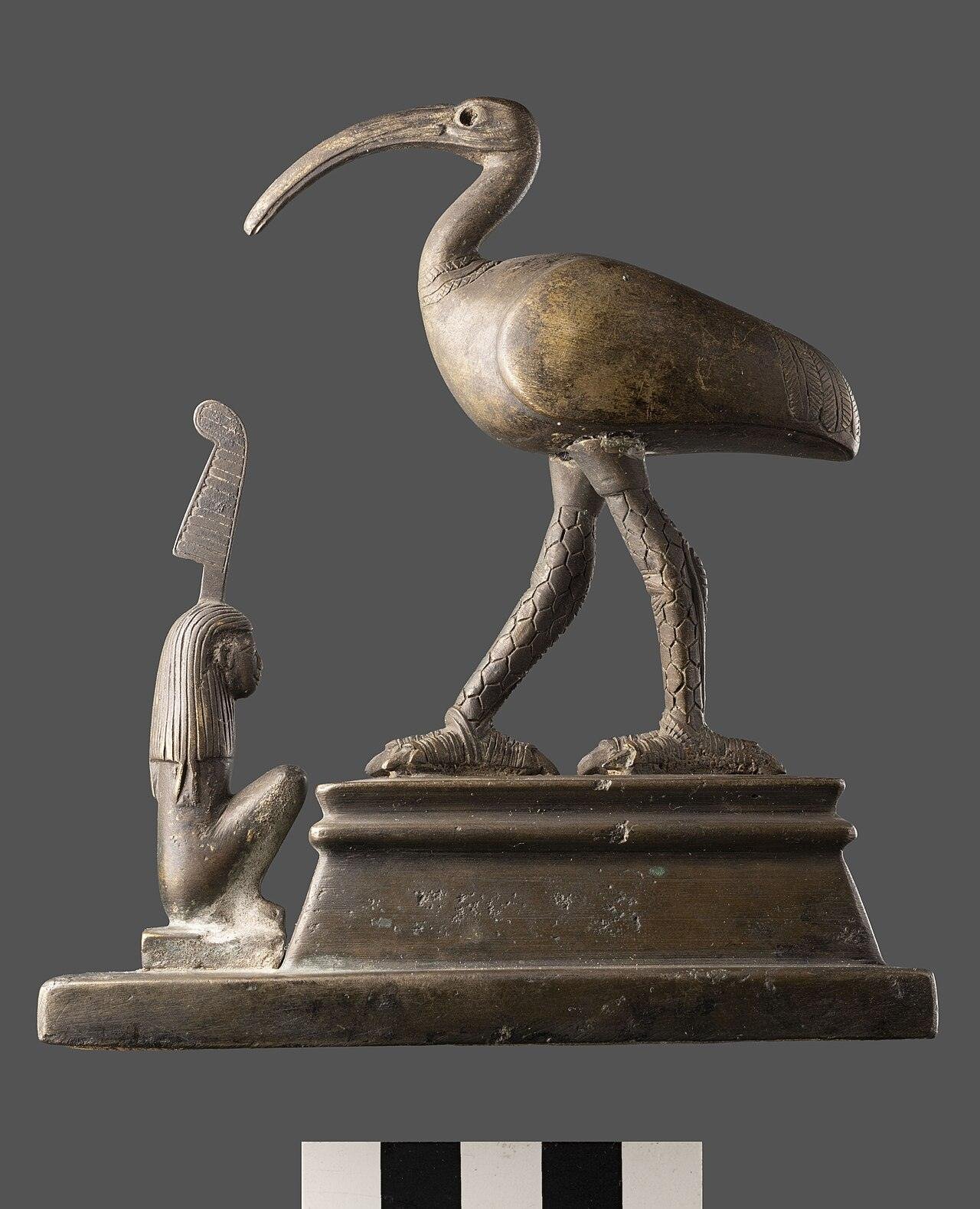
| Thoth | Writing, wisdom, the moon | Ibis-headed scribe or baboon | Judgment scenes in most tombs |
| Sekhmet | War, plague and healing | Lioness-headed woman | Her granite statues at Karnak’s Mut precinct |
| Sobek | The Nile’s power, crocodiles | Crocodile-headed man | Kom Ombo Temple |
| Khnum | Creation on the potter’s wheel | Ram-headed man | Elephantine Island, Aswan |
| Seth | Chaos, storms, the desert | The mysterious “Seth animal” | Kom Ombo’s balancing act with Horus |
| Ma’at | Truth and cosmic order | Woman with ostrich feather | The weighing-of-the-heart scene, everywhere |
The Goddesses: Power in Every Form
Isis — the greatest magician
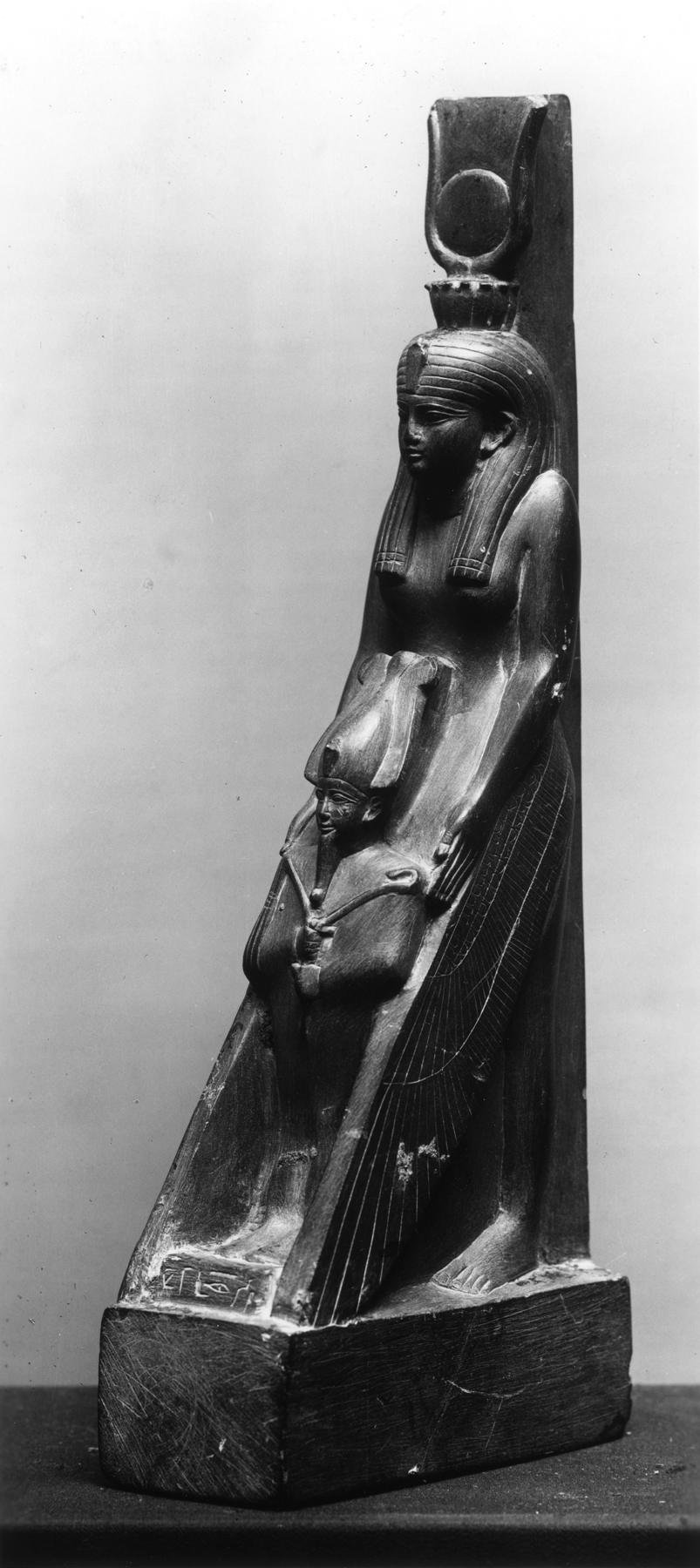
No deity traveled further: by Roman times the Egyptian goddess Isis had temples from Britain to Afghanistan. Her Egyptian home remains the most beautiful of all — the island sanctuary of Philae, where her cult outlived official paganism itself.
Hathor — joy, music and the kindest welcome
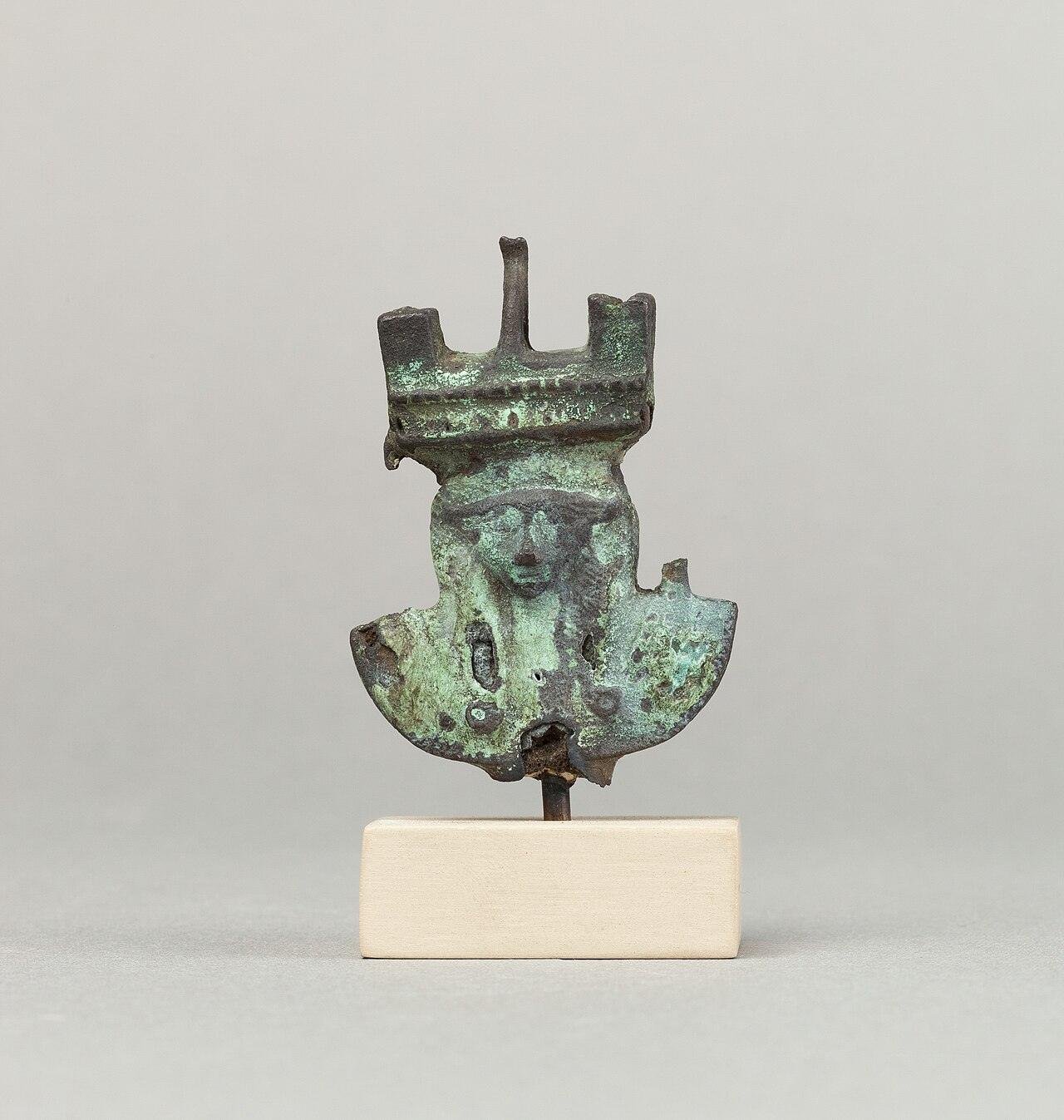
Goddess of love and celebration, Hathor greets you with a smile — literally: her face crowns the columns at Dendera, one of Egypt’s best-preserved temples, ceiling colors intact.
Sekhmet — the lioness who nearly ended humanity
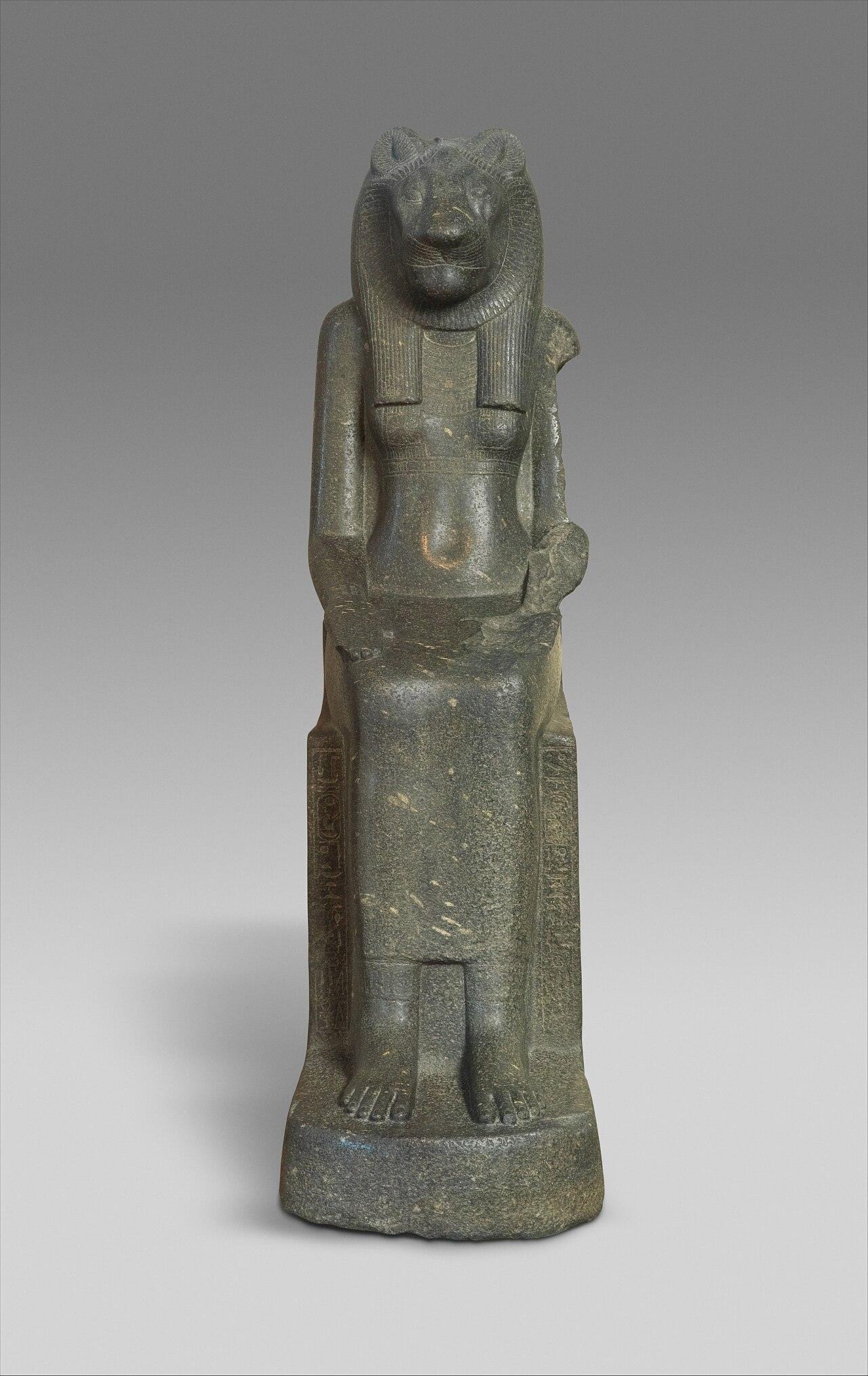
Myth says the lioness goddess was unleashed by Ra against rebellious mankind and she developed such a taste for it that the gods had to trick her with beer dyed red as blood. Hundreds of her statues survive; meeting her granite gaze at Karnak is genuinely uncanny.
Nut, Nephthys, Ma’at and Taweret
Nut arches star-spangled across tomb ceilings, swallowing the sun each night and birthing it each dawn. Nephthys mourns beside her sister Isis on ten thousand coffins. Ma’at’s feather weighs every human heart. And hippo-shaped Taweret guarded every Egyptian childbirth — divinity was domestic, too.
Who Was the God of the Nile?
Ask for the god of the Nile and Egyptians would name Hapi — the generous, blue-or-green-skinned spirit of the annual flood, shown as a well-fed man with papyrus on his head, binding the Two Lands together. But the river had a whole cast: Sobek the crocodile embodied its danger and power (his temple still stands at Kom Ombo), Khnum guarded its source-cataract at Elephantine, and even Osiris was tied to the flood’s yearly rebirth. The Nile was too important for one god — it took a committee.
How Egyptians Actually Worshipped
Worship of the Egyptian gods and goddesses shaped daily life at every level. Ordinary Egyptians never entered the great temple sanctuaries — those were the gods’ private houses, tended by priests. The public met their gods at festivals, when gilded barques sailed out among the crowds (Luxor’s Opet festival was the greatest), and at home, with household shrines to Bes and Taweret. Personal religion was everywhere: amulets, oracle questions, letters written to dead relatives asking them to intercede.
Where to Meet the Gods Today: A Traveler’s Map
This is what makes Egypt different from any mythology book: the addresses still exist. Amun waits at Karnak; Horus holds court at Edfu; Sobek keeps his mummified crocodiles at Kom Ombo; Isis receives boat-borne visitors at Philae; and the whole underworld cast performs nightly on the walls of the Valley of the Kings. Our Nile cruises and 7-day itinerary string these sanctuaries together in story order — with an Egyptologist to make the introductions — the best way to experience the Egyptian gods and goddesses in person.
FAQs About Egyptian Gods and Goddesses
Who was the most powerful Egyptian god?
By the New Kingdom, Amun-Ra — the fusion of Thebes’ hidden god with the sun — was “king of the gods,” and Karnak, his home, became the largest religious complex ever built.
Who was the most important Egyptian goddess?
Isis, by reach and endurance: mistress of magic, mother of Horus, mourner of Osiris — her worship spread across the entire Roman world and lasted longest of all.
Why do Egyptian gods have animal heads?
The animal expressed the god’s nature — the falcon’s mastery of sky for Horus, the jackal’s presence in cemeteries for Anubis. Egyptians didn’t believe gods literally looked like this; it was sacred shorthand.
How many Egyptian gods were there?
Egyptologists count over 1,500 named deities across 3,000 years — but a core group of a few dozen carried the great temples and myths.
What happened to the old religion?
It faded under Christianity in the early centuries AD — the last hieroglyphs ever carved (394 AD) are a prayer to Isis at Philae, and her temple was the last to close.
Can you visit the temples of these gods?
Almost all of them — that is the magic of Egypt. Start with our Luxor guide and Aswan guide, or ask us on WhatsApp to build a “meet the gods” route.
Ready to be introduced? Browse our Egypt tours — every one comes with an Egyptologist who can introduce you to the Egyptian gods and goddesses where they were actually worshipped.