Table of Contents: Nubian Village Aswan
A Nubian village visit is the warmest memory most travelers take from Aswan: houses painted sky-blue and saffron, courtyards open to the stars, hibiscus tea with hosts whose families have lived on this river for millennia. Here is how to visit well — and respectfully.
Quick Answer: The Nubian villages around Aswan — most visited is Gharb Soheil on the west bank, plus Siou and Koti on Elephantine Island — welcome guests for walks, tea, home meals and overnight stays. Visits go by boat, often combined with a felucca sail, and take from two hours to a full evening.
- Nubians are the Nile’s oldest community — their kingdoms once ruled Egypt itself.
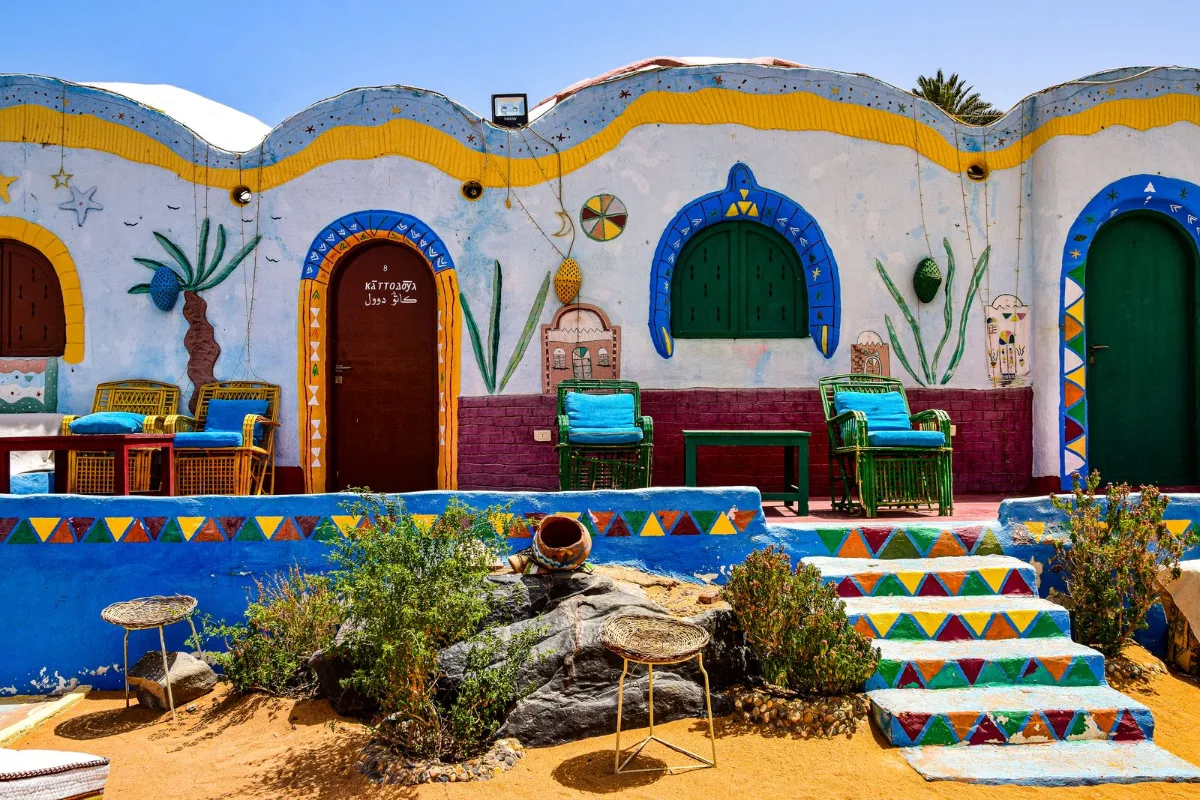
- The colorful houses are tradition, not decoration for tourists.
- Best visits are hosted: tea and conversation, not a walk-through zoo.
Who the Nubians Are
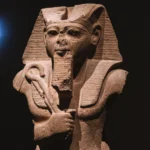
Nubia stretched from Aswan deep into Sudan — a civilization with its own language (still spoken), its own script in antiquity, and dynasties powerful enough to conquer and rule Egypt as the 25th Dynasty. The High Dam’s lake drowned most of historic Nubia in the 1960s; communities resettled around Aswan carried the culture with them: the language, the music, the henna, the painted houses. Visiting is a chance to meet that living heritage — the deep history is told at the Nubian Museum.
What a Good Visit Looks Like
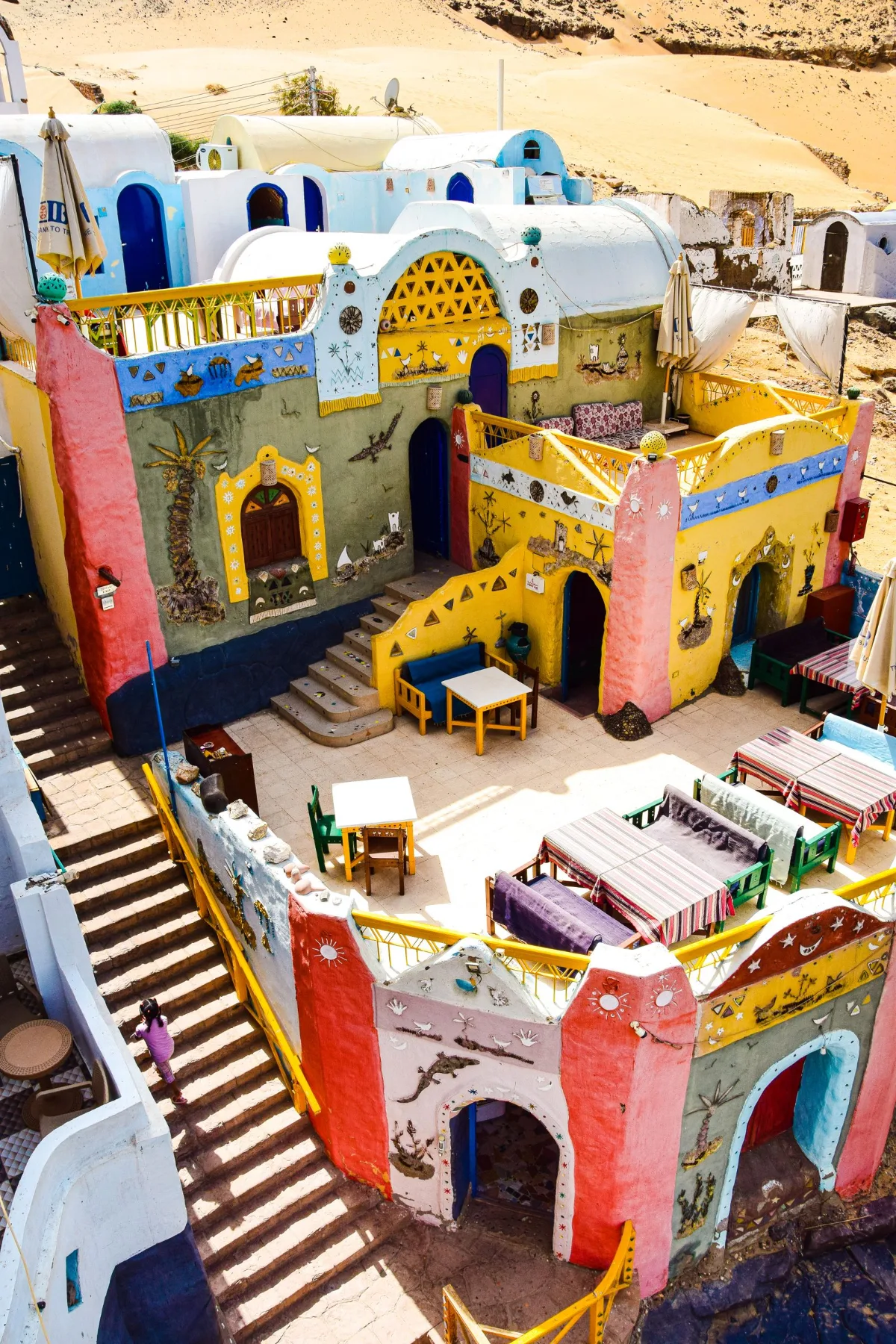
You cross by motorboat or felucca — Gharb Soheil sits behind golden dunes on the west bank. Then: lanes of vaulted, vividly painted houses; a host family’s courtyard; hibiscus (karkadeh) and mint tea; spiced Nubian dishes if you stay for a meal; henna if you ask. Some houses keep small crocodiles (an old protective tradition — entirely optional viewing). Evening visits end with music. Two hours minimum; dinner makes it the day’s highlight.
Visiting Respectfully
These are homes, not exhibits. Go with a host or guide who has real relationships, ask before photographing people, buy the crafts (they are genuinely handmade), and accept the tea — refusing hospitality lands harder than any camera. Dress casual-modest as anywhere in Egypt.
Practical Information
| Detail | What to know |
|---|---|
| Where | Gharb Soheil (west bank) or Elephantine’s villages |
| Getting there | Boat from Aswan — often as a felucca-plus-village combo |
| Time | 2 hours to a full evening with dinner |
| Overnight | Nubian guesthouses are Aswan’s most characterful stays — see where to stay |
A Nubian village Aswan visit adds color and warmth to any itinerary. Respect goes a long way on a Nubian village Aswan tour. Nubian people (cultural background)
A well-planned Nubian village Aswan trip means arriving by boat, staying for tea, and buying crafts directly from families. Because a Nubian village Aswan visit supports local homes, your choices matter.
FAQs About Nubian Village Visits
Which Nubian village should I visit?
Gharb Soheil is the most set up for guests; Elephantine’s villages feel more everyday. With time, do both.
Is it touristy?
Gharb Soheil has souvenir lanes, yes — but step into a hosted courtyard and it becomes real fast. The host makes the visit.
What should I try?
Karkadeh tea, Nubian bread and stews, and the music. Henna if you like it.
Are the crocodiles ethical?
A traditional practice; welfare varies by house. Skipping the crocodile room is perfectly acceptable.
How do I arrange a genuine visit?
Through hosts we know personally — it is part of every Aswan tour we run; the full city plan is in the Aswan travel guide.
Want tea with a view of the dunes? Message us on WhatsApp — we will seat you in the right courtyard.