
Overview
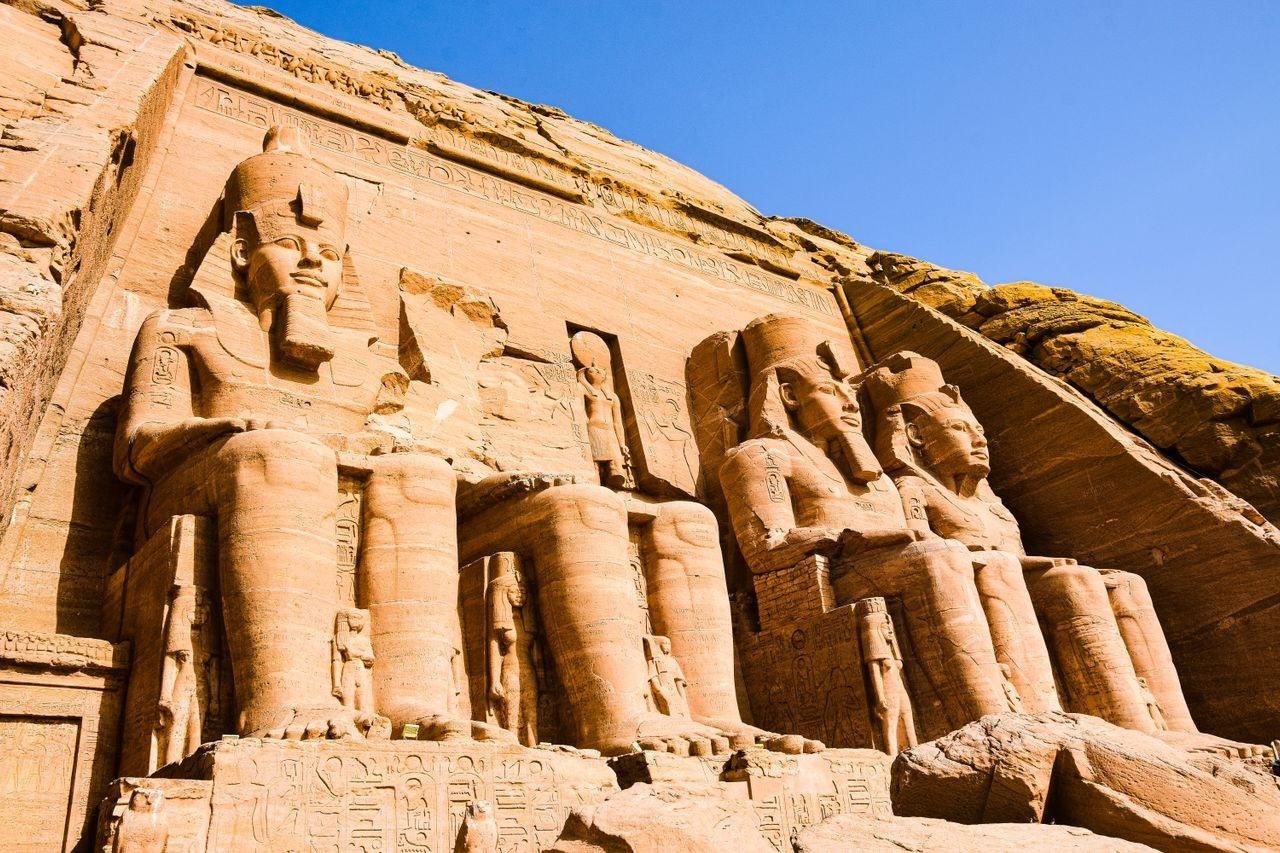 An Abu Simbel tour from Aswan is one of the most rewarding day trips in southern Egypt. The journey covers roughly 280 kilometres each way through the Nubian Desert and rewards you with two of the most spectacular rock-cut temples in the ancient world. This guide explains what the trip involves, how to get there, what you will see, and how to plan a comfortable, well-organised visit.
Why Book an Abu Simbel Tour from Aswan
The temples at Abu Simbel sit close to the border with Sudan, far from any major town. Because of this remote location, the easiest and safest way to visit is on an organised Abu Simbel tour from Aswan with transport, a driver, and a licensed guide arranged for you. You avoid the stress of planning the long desert route yourself and arrive in time for the cooler morning hours. El Sultan Travel runs private tours rather than large group coaches. That means flexible time at the site, personal attention from an Egyptologist, and a pace that suits you instead of a fixed group schedule.
Getting There: Road and Flight Options
Most travellers reach Abu Simbel by road. Departure from Aswan is usually between 3:30 and 4:00 AM so that you arrive shortly after the temples open, when temperatures are cooler and the crowds are smaller. The drive takes around three to three and a half hours each way on a well-maintained desert highway. An alternative is the short domestic flight from Aswan Airport, which takes about 45 minutes. Flying suits travellers with limited time or those who prefer to avoid the early start. It can be combined with other Aswan sights such as the Philae Temple Tour for a fuller day.
What You Will See at Abu Simbel
The site has two temples carved directly into the sandstone cliff. Together they form part of the UNESCO-listed Nubian Monuments, which were famously relocated in the 1960s to save them from the rising waters of Lake Nasser.
The Great Temple of Ramesses II
The Great Temple is dominated by four colossal seated statues of Ramesses II, each about 20 metres tall. Inside, a series of halls lined with carved pillars and detailed reliefs tells the story of the pharaoh’s reign and his military campaigns. Twice a year the inner sanctuary is lit by the rising sun, a phenomenon that still draws visitors today.
The Temple of Nefertari
Beside it stands the smaller Temple of Nefertari, dedicated to the king’s beloved queen and to the goddess Hathor. Its façade features statues of both Ramesses and Nefertari at equal height, a rare mark of honour for a queen in ancient Egypt.
Planning Your Abu Simbel Tour from Aswan
Bring water, sun protection, and comfortable shoes, and carry your passport as there are checkpoints along the desert road. Photography is allowed in the temple grounds, though rules inside the temples can change, so follow your guide’s advice. If you would like to see the temples illuminated at night, consider the Abu Simbel Overnight Tour, which adds the evening Sound and Light show and a quieter sunrise visit. Travellers building a longer trip often combine Aswan with the Kalabsha Temple Tour or a full 7-day Egypt itinerary covering Cairo, Luxor, and Aswan. For official travel and entry information you can also check the Egyptian Tourism Authority before you go.
Book Your Abu Simbel Tour from Aswan
An Abu Simbel tour from Aswan is a long day, but a carefully planned private trip makes it comfortable and genuinely memorable. With El Sultan Travel you get door-to-door transport, a licensed Egyptologist guide, and the freedom to explore both temples at your own pace. Contact us to reserve your private day trip or to combine it with the other highlights of Aswan.
Why Book Private with El Sultan?
The Abu Simbel run starts before dawn — private means the departure hour is your decision:
- Convoy or later start — your call — leave at 4 a.m. for sunrise or 6 a.m. for comfort; groups decide for you.
- Your own air-conditioned vehicle — leave when you are ready, skip the 40-seat bus hotel rounds.
- Flexible timing — beat the crowds at opening or linger where you love; the day bends around you.
- Family-friendly — kids nap, grandparents rest, nobody is left behind.
- Direct local team — one WhatsApp away before, during and after your trip.
Itinerary
Your guide and driver collect you from your Aswan hotel at approximately 3:30–4:00 AM. The early start is intentional — Abu Simbel is 280 kilometres south of Aswan through open Nubian desert, and arriving at the temples as they open at 6:00 AM means cooler temperatures, softer morning light on the sandstone façades, and a quieter site before the large convoy tours fill the area. The road runs along the western shore of Lake Nasser, one of the largest artificial lakes in the world, and the drive itself — flat desert, still water, and a gradually brightening sky — sets the tone for what you are about to see.
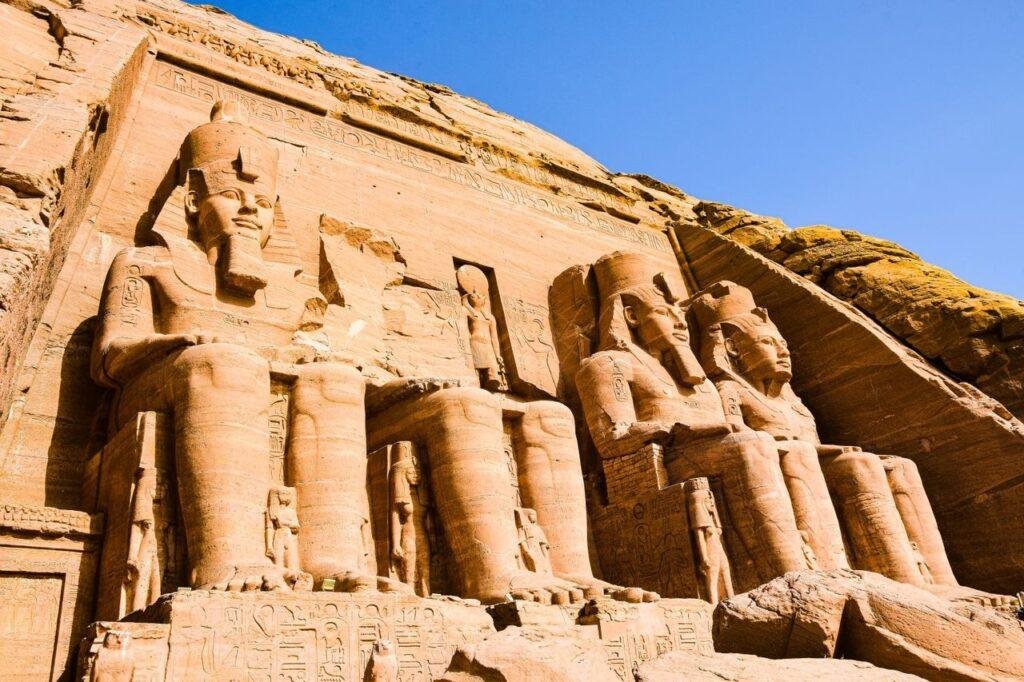
You reach Abu Simbel around 7:00–7:30 AM. The first view of the Great Temple façade stops most visitors in their tracks. Four colossal seated statues of Ramesses II — each standing approximately 20 metres tall — are carved directly into the sandstone cliff face, looking south across what was once the Nubian floodplain. Ramesses had these temples built in the 13th century BC, not only as an act of devotion to the gods but as a statement of Egyptian power to the Nubian kingdoms beyond the border. The scale is deliberate and unmistakable.
Inside the Great Temple, a corridor of eight Osiride statues of Ramesses leads to the inner sanctuary, where four seated figures — Ramesses II alongside the gods Ptah, Amun-Ra, and Ra-Horakhty — sit in permanent darkness except for two days each year. On 22 February and 22 October, the rising sun penetrates 65 metres through the temple's axis and illuminates three of the four statues for approximately 20 minutes. Ptah, god of the underworld, remains in shadow. Whether this solar alignment was intentional or a remarkable coincidence has been debated — your guide will explain both sides. The walls are covered in painted reliefs depicting the Battle of Kadesh, one of the largest chariot battles in ancient history, and Ramesses' campaigns into Nubia and the Levant.
Beside the Great Temple stands the smaller Temple of Nefertari, dedicated to Ramesses' most prominent wife and to the goddess Hathor. It is one of only two temples in ancient Egypt built in honour of a queen. The façade shows six standing statues — alternating between Nefertari and Ramesses — carved to the same height, an unusual and deliberate statement about the queen's status. Inside, the painted reliefs are among the best-preserved in all of Egypt.
Your guide also covers the engineering story that defines Abu Simbel as much as the ancient construction: in the 1960s, as the Aswan High Dam raised the waters of Lake Nasser, both temples were cut into 1,041 individually numbered blocks, lifted 65 metres up the cliff face, and reassembled inside an artificial mountain — precisely preserving their original orientation. It remains one of the most ambitious heritage rescue operations in history.
You have flexible time at the site — typically 2 to 3 hours on a private tour — before returning north to Aswan, arriving back by early afternoon.
Travel Note: The road to Abu Simbel is well-maintained and usually travelled in a convoy. The drive is long — plan for roughly 3 to 3.5 hours each way. Early departure is essential for cooler temperatures and to arrive before large group tours.
Main Visits: Great Temple of Ramesses II, Temple of Nefertari, Abu Simbel area
Included & Excluded
Included
- Private air-conditioned transport from your Aswan hotel
- Licensed Egyptologist guide for the full day
- Entrance fees to Abu Simbel temples
- Assistance with transportation logistics and timing
Excluded
- Meals and drinks
- Personal purchases
- Gratuities
- Optional domestic flight upgrade.
Frequently Asked Questions
How far is Abu Simbel from Aswan?
Abu Simbel is approximately 280 km (174 miles) south of Aswan by road, along the western bank of Lake Nasser near the Sudanese border. The drive takes 3 to 3.5 hours each way in an air-conditioned vehicle.
Is it better to go to Abu Simbel by road or by plane?
Both options are practical. The road is cheaper and gives you the experience of driving through the Nubian desert. The domestic flight (approximately 45 minutes) is faster and more comfortable, particularly in summer. When airport transfers and check-in time are included, the total journey times are similar. El Sultan can arrange either option.
What time does the Abu Simbel tour depart from Aswan?
Road tours typically depart between 3:30 and 4:00 AM to join the early morning convoy and arrive at the temples when they open. Flight-based tours can depart later. Your exact departure time will be confirmed when you book.
How long do you spend at Abu Simbel?
On a private tour, you typically spend 2 to 3 hours at the temples. Shared group tours usually allow 1.5 to 2 hours. The extra time on a private tour means you can explore both temples at a comfortable pace without being rushed.
Can I visit Abu Simbel and other Aswan sites on the same day?
It is possible to visit the High Dam, Unfinished Obelisk, or Philae Temple on the afternoon return from Abu Simbel, but the day will be very long. Most travellers prefer to split Aswan sites across two days: Abu Simbel on day one, Aswan city sites on day two.
Gallery
Share This Tour
Similar Tours

Egypt Solar Eclipse 2027: 8-Day Luxury Dahabiya Cruise & Totality Over Luxor
Start from 3500 $
Quick answer: Our 8-day Egypt Solar Eclipse 2027 journey puts you under the longest total solar eclipse of the century — 6 minutes and 23 seconds of totality over Luxor on August 2, 2027 — aboard a private dahabiya. You sail Aswan to Luxor visiting Philae, Abu Simbel, Kom Ombo, Edfu, Karnak, the Valley of […]
View Tour
Nile Cruise Egypt from Hurghada: 7-Day Dahabiya Sailing & Temples
Start from 1650 $
Quick answer: The only way to combine a Red Sea holiday with a real nile cruise Egypt style — under sail. We collect you from your Hurghada hotel, drive you over the Eastern Desert to Luxor (about 4 hours), and put you aboard a traditional dahabiya for 6 nights of temples and slow sailing to […]
View Tour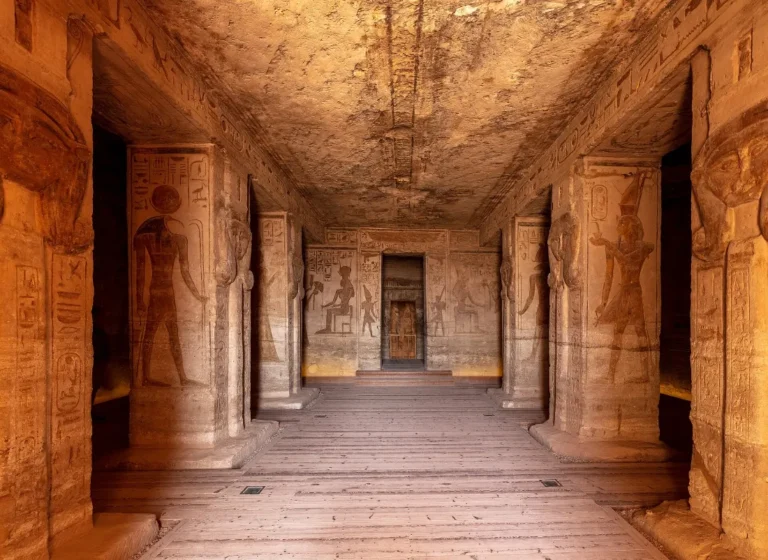
Egypt Travel Packages: 15-Day Grand Tour — Pyramids, White Desert, Nile & Abu Simbel
Start from 2500 $
Quick answer: The most complete of our Egypt travel packages: 15 days covering Cairo and the Giza Pyramids, two nights camping in the White Desert, a flight to Luxor, four nights sailing to Aswan by dahabiya, and a grand finale at Abu Simbel — with an overnight beside the temples. Private guide and transfers throughout, […]
View Tour