
Long before fireworks and countdowns, Egyptians watched the sky for a single star. New Year in ancient Egypt began in summer, not winter, and it was tied to the rising Nile. Here is how the calendar worked, and where you can still see it carved in stone.
How Did Ancient Egyptians Celebrate the New Year?
They marked it with offerings, temple rites and family gatherings at the start of the Nile flood. The festival was called Wepet Renpet, which means “opening of the year”.
It was a moment of renewal. The river rose, the fields would soon be fed and the gods were thanked for another cycle. Priests carried out rituals in the temples while ordinary families shared food and gifts.
Few texts describe the party itself in detail. The calendar, however, is well documented, and it tells us what mattered most.
Why Did the Star Sirius Matter So Much?
Sirius, which Egyptians called Sopdet, was the brightest star in the night sky. It vanished for about seventy days each year, then reappeared just before dawn. That return signalled that the flood was near.
The flood date itself could shift by weeks, so Egyptians trusted the star. According to Ancient Egypt Online’s calendar page, the year began with the first new moon after Sirius reappeared.
The seventy days of absence echoed the seventy days of mummification. Death and return, loss and renewal. The star and the soul followed the same pattern.
Field tip: Visit temples at first light. The sky glows, the stone warms and you feel why the heavens ruled the calendar.
What Did the Nile Flood Mean for Daily Life?
Everything. The river left rich black silt on the fields, and that silt fed the whole kingdom. A strong flood meant full granaries. A weak one meant hunger.
That is why the New Year felt so personal. Farmers read the water level, officials measured it and temple priests prayed over it. Nilometers, stone stairways descending to the river, recorded the height each year.
Even the Egyptian name for the country, Kemet, “the black land”, came from that silt. The calendar, the farm and the gods all moved together.
How Was the Egyptian Year Divided?
Into three seasons of four months each. Akhet was the flood, Peret was the growing season and Shemu was the harvest. Each month had thirty days, which gives 360.
Five extra days were added at the end. They closed the old year and made the cycle fit the sun more closely. Nobody worked on state business, and the gods took centre stage.
What Were the Five Extra Days For?
They honoured the children of the sky goddess Nut. Each day belonged to one deity, so the year ended with a birthday story.
| Extra day | Deity honoured |
|---|---|
| Day 1 | Osiris |
| Day 2 | Horus the Elder |
| Day 3 | Set |
| Day 4 | Isis |
| Day 5 | Nephthys |
Many people felt these days were risky. The year had ended, the next had not begun, and anything could happen. Charms and prayers filled the gap.
Where Can You See the Ancient Calendar Today?
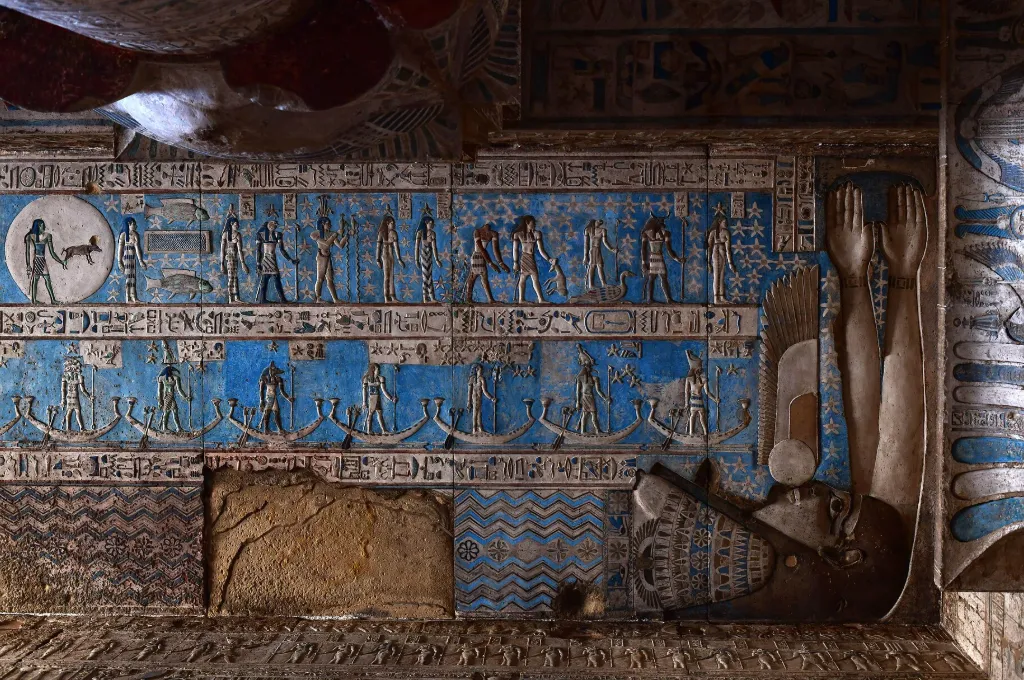
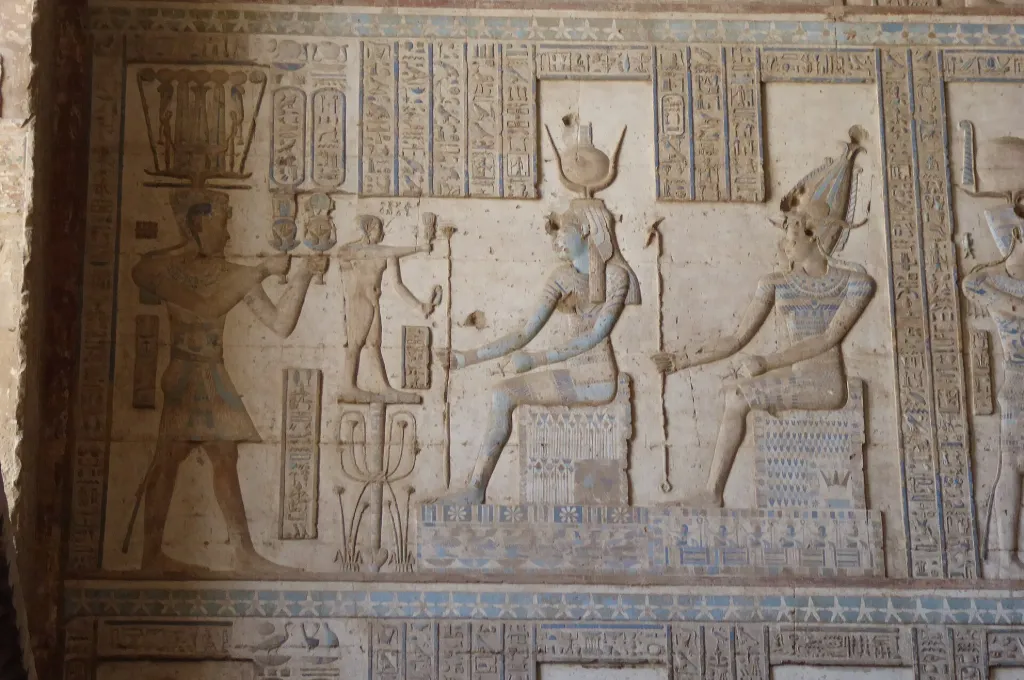
In the temples of Upper Egypt. Dendera, Esna, Edfu and Philae all carry star maps, ritual scenes and offerings tied to the cycle of the year.
Dendera is the standout. Its temple of Hathor has painted ceilings full of constellations. Temple tradition says the goddess’s statue was carried to the roof at the New Year to greet the sun.
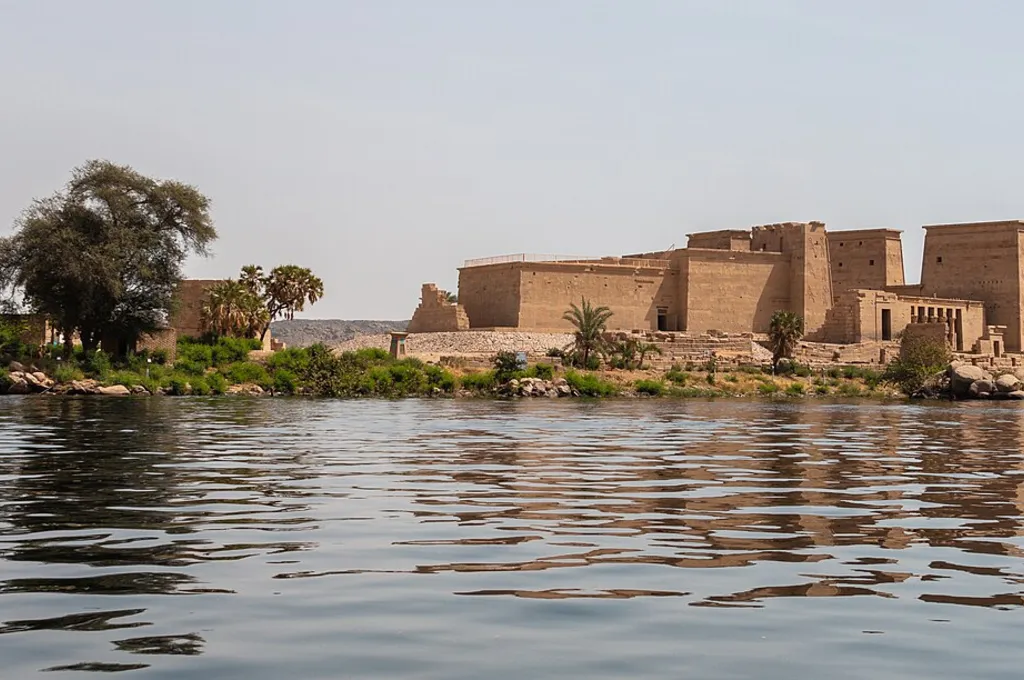
Philae, the island temple of Isis near Aswan, tells the story from another angle. Isis was the mother of Horus and a central figure in the New Year myths. Edfu, with its towering pylon, shows the Horus side of the tale and is one of the best-preserved temples in Egypt.
Pair Dendera with Abydos on a Dendera and Abydos day trip from Luxor. Or sail between the temples on a Nile cruise, which is how the ancient pilgrims travelled. Our New Year Nile cruise guide shows how to time it.
Does Egypt Still Celebrate an Ancient New Year?
In spirit, yes. The Coptic calendar grew from the ancient Egyptian one, and Nayrouz falls around September 11. It marks the Coptic New Year with feasts and fresh fruit.
January 1 is the modern Gregorian date. Hotels, cruise ships and city streets celebrate it with music and dinners. If you want that side of the holiday, start with our New Year in Egypt guide.
How Can You Add Some Ancient Spirit to Your Own New Year?
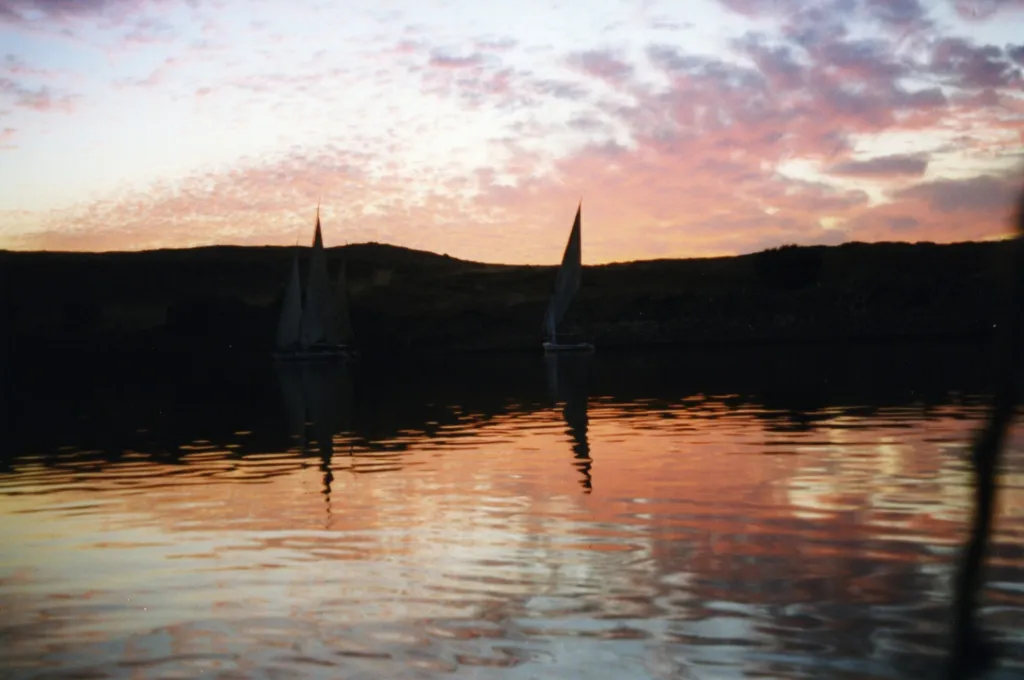
Keep it simple. Spend one evening beside the Nile at sunset, then visit a temple the next morning. The contrast between modern fireworks and ancient stone is memorable.
Our New Year in Luxor guide shows how to fit temples around the holiday. Choose a hotel near the river, book a morning visit and leave the evening free for dinner.
Ancient Egyptian New Year: Quick Answers
What does Wepet Renpet mean?
It means “opening of the year”. It was the Egyptian name for the New Year festival.
Did ancient Egyptians celebrate on January 1?
No. Their year began in summer, when Sirius returned and the Nile started to rise. January 1 is a modern Gregorian date.
Which star marked their New Year?
Sirius, called Sopdet. Its return before dawn after about seventy days of absence signalled the flood.
Can travelers visit places linked to the New Year?
Yes. Dendera, Esna, Edfu and Philae all show astronomical scenes and ritual art. Luxor is the easiest base for most of them.
Ready to See the Calendar in Stone?
Ancient Egypt measured time with stars, floods and gods. Modern travelers can follow that trail by river and temple.
Tell us your dates, and we will shape a holiday that mixes temples with a good New Year’s table. Browse our tour packages when you are ready.