Wondering where you can float above coral gardens just minutes from your hotel? Snorkeling in Hurghada puts you over Red Sea reefs where the coral begins almost under your chin and the fish barely notice you.
Where Is the Best Snorkeling in Hurghada?
For most travelers, the Giftun Islands (including Mahmya and Orange Bay) and the reef at Shaab El Erg, known as Dolphin House, are the best choices. Both are reached by boat from Hurghada marina and offer calm, shallow water with plenty of life. Use this table to match a spot to your day.
| Spot | Best for | What you will see | Good to know |
|---|---|---|---|
| Giftun Islands (Mahmya, Orange Bay) | First-timers and families | Shallow coral gardens, clownfish, parrotfish | Most popular; quietest early and late in the day |
| Shaab El Erg (Dolphin House) | Wildlife hunters | Horseshoe reef and, with luck, resting dolphins | Dolphins are wild, so sightings are never guaranteed (see our Dolphin House guide) |
| South-coast reefs such as Sharm El Naga | Independent swimmers | Reef walls reached from the shore | No boat needed, but fewer lifeguards and amenities |
| Hotel house reefs | Flexible, short sessions | Varies by resort | Ask the dive centre about the best entry point |
Ready to float over the Red Sea’s best reefs? Browse our small-group Hurghada boat trips and pick your day.
Why Do Hurghada’s Reefs Start Right Below Your Fins?
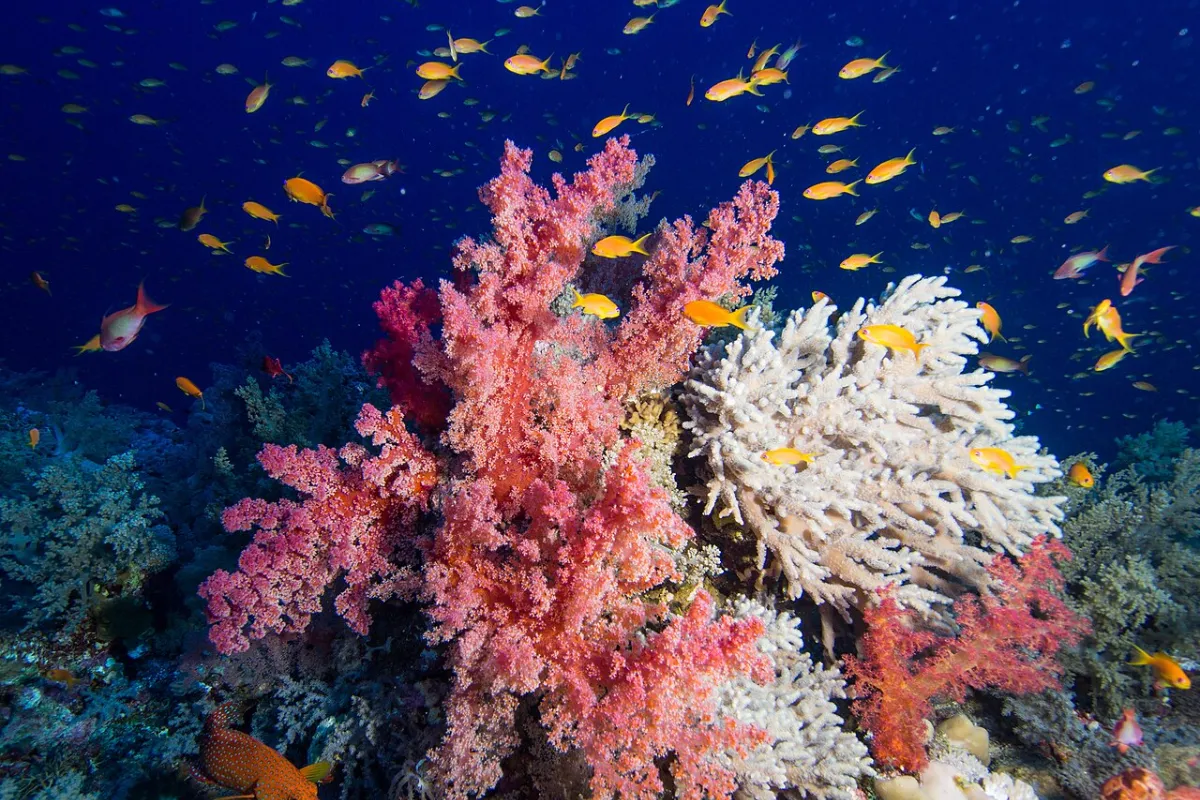
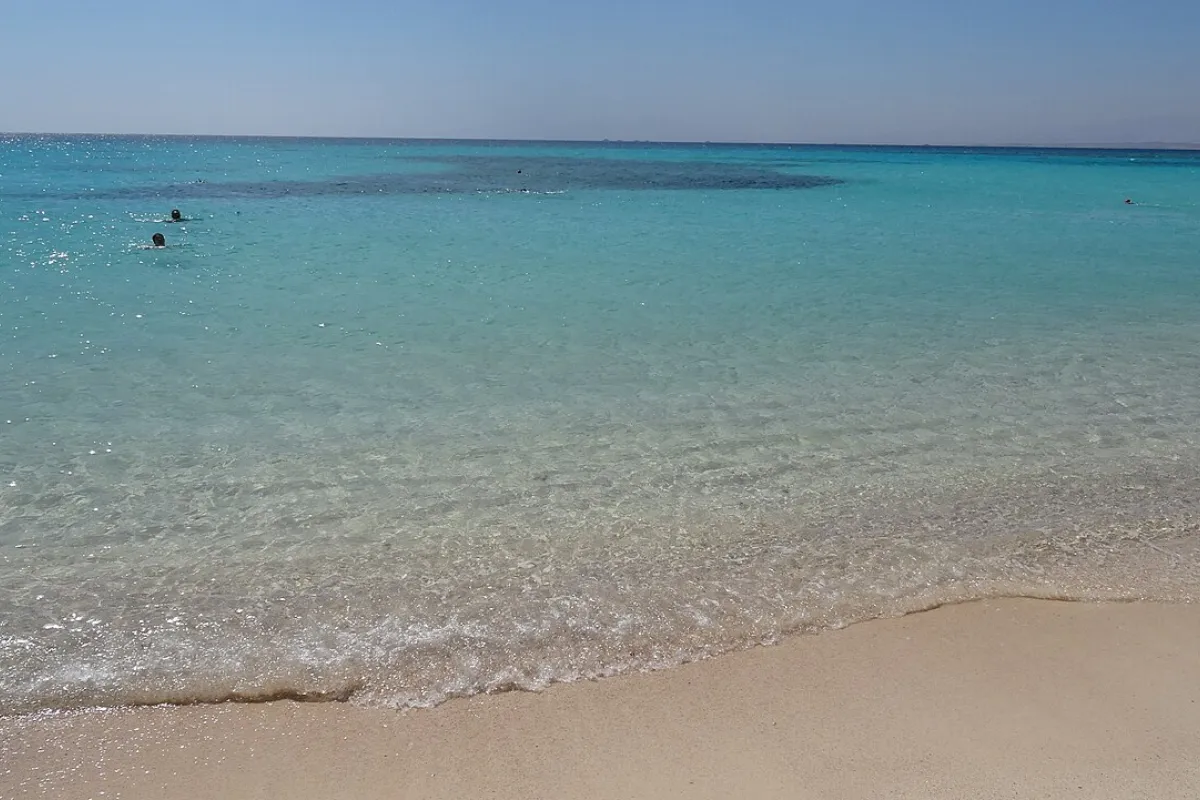
Because the Red Sea’s fringing reefs grow on shallow shelves, so living coral often begins less than a metre under the surface. Warm, salty, very clear water lets sunlight reach the colonies, which is why you can see a full reef from the surface without ever diving.
The Giftun Islands have been protected as a marine reserve since the early 1990s, and that care shows in the density of coral and fish. It is also why the rules here are strict, and worth following.
What Will You Actually See Underwater?
Expect a busy, colourful neighbourhood. On a typical trip you can spot:
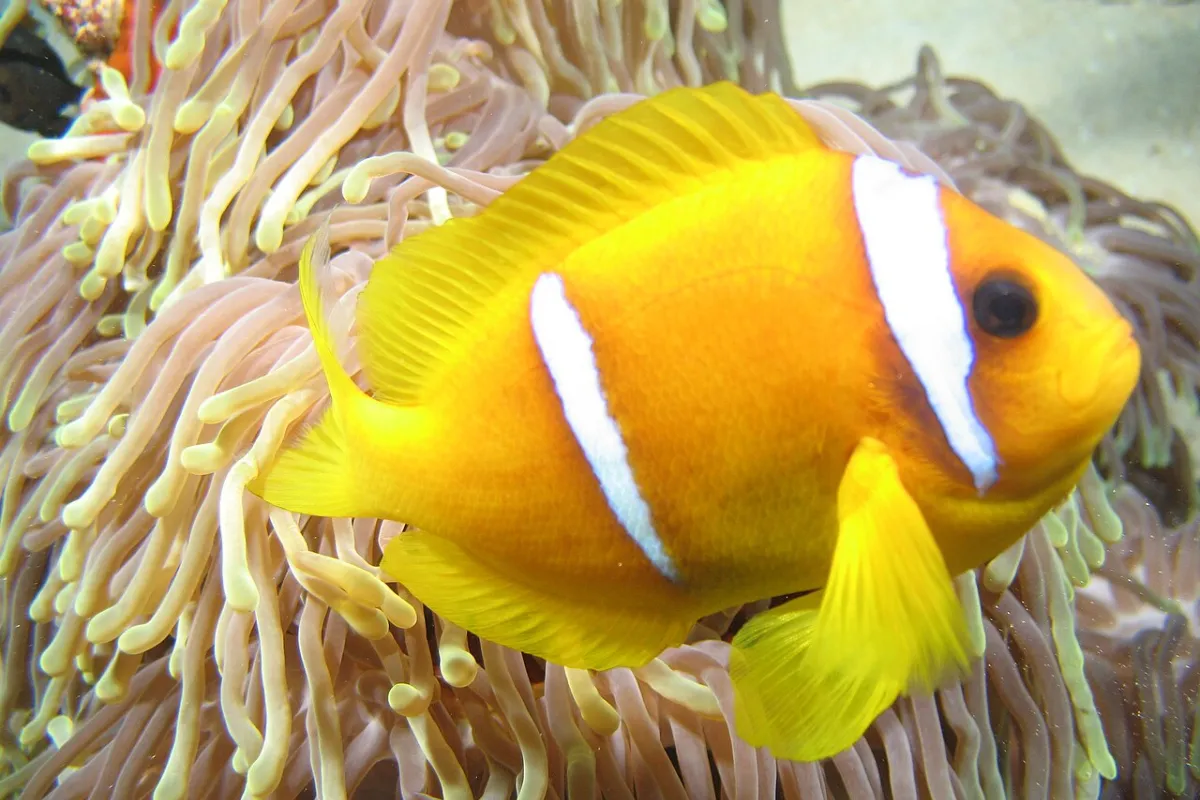
- Clownfish guarding anemones, usually at the reef edge.
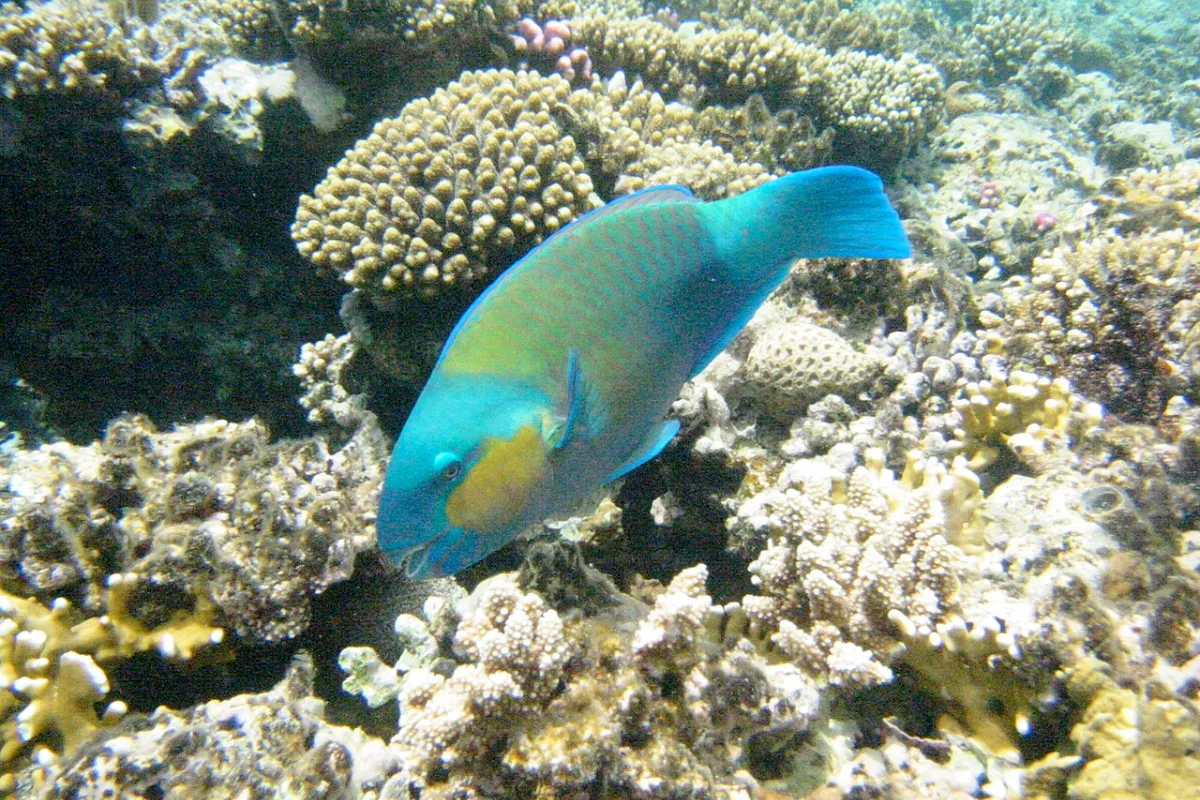
- Parrotfish crunching coral, a sound you can sometimes hear.
- Shoals of anthias flickering above soft coral like orange confetti.
- Moray eels peeking from crevices, calm if left alone.
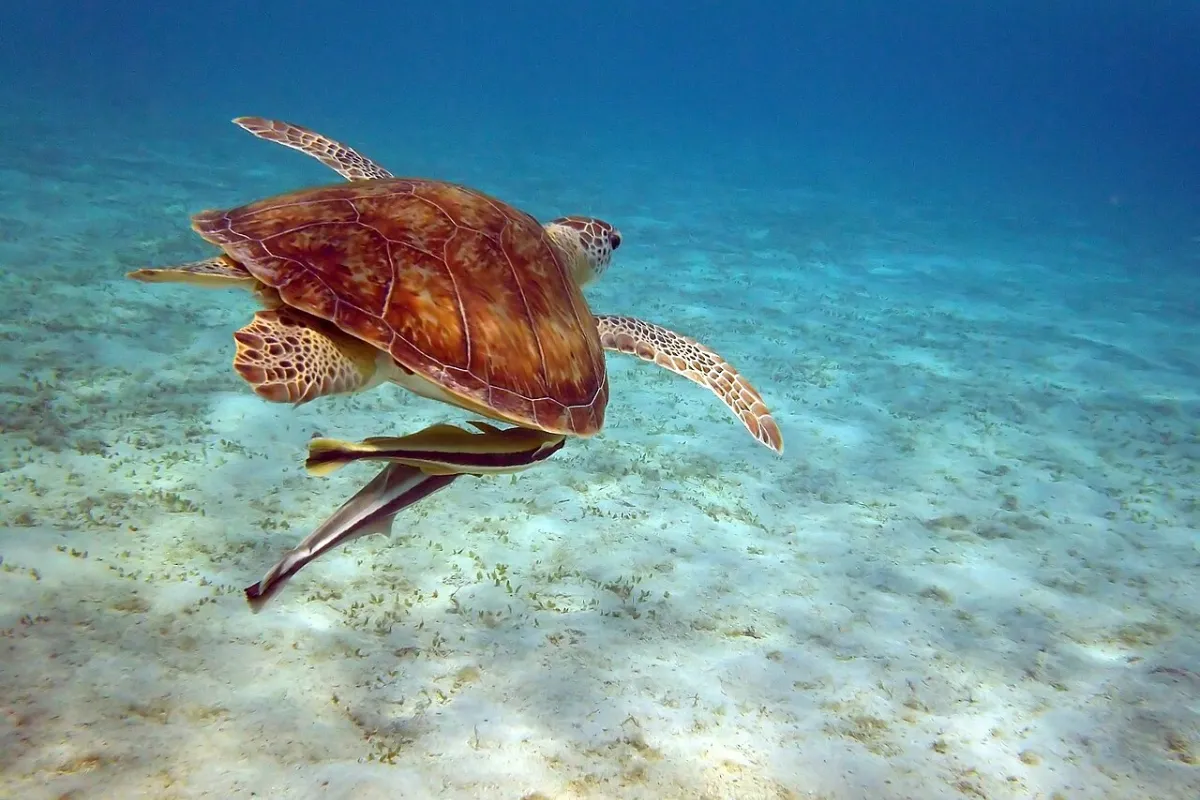
- Green and hawksbill turtles, occasionally, over sandy patches.
Field tip: Float first, swim later. Our guides say the best sightings come to people who hover still over one coral head for a full minute instead of chasing fish across the reef.
What Does a Snorkeling Day Look Like From Marina to Beach?
A full-day boat trip follows a simple rhythm, and knowing it helps you pack and pace yourself.
- Meet at the marina around 8:00 to 9:00 AM, when the sea is calmest.
- Cross to the islands, roughly 30 to 60 minutes depending on the boat.
- Snorkel two or three reef stops of about 45 to 60 minutes each.
- Eat lunch on board, then take beach time on the island.
- Return to the marina by late afternoon.
Guides accompany swimmers and life jackets are standard, so a first-timer can relax. Ask your operator whether the small park fee is included in the price.
Is Winter Snorkeling in Hurghada Too Cold?
Not for most people, but it feels cooler. The sea drops to around 22 to 23 degrees Celsius in late winter and climbs close to 29 or 30 degrees by late summer. Many snorkelers wear a thin wetsuit or rash vest from December to March.
Summer is warm but windier, and rougher seas can cancel trips. Calm, clear days are most reliable from spring to autumn, so check our guide to the best time to visit Hurghada before you book.
How Do You Snorkel Without Harming the Reef?
Look, don’t touch. Coral is a living animal, and one careless kick can destroy decades of growth. Fire coral also stings, so keep your hands and knees away from the reef.
- Never stand on or hold coral, even to rest.
- Use reef-safe sunscreen, or wear a rash vest instead.
- Keep a respectful distance from turtles and never feed fish.
- Take every bit of rubbish back to the boat.
Local conservation groups such as HEPCA work to protect these reefs, and operators who follow the rules help keep them healthy.
Ready to pair the sea with the temples? Add a Luxor day trip from Hurghada to your reef week, or explore all our Hurghada excursions.
Snorkeling or Diving: Which Suits You Better?
Choose snorkeling if you want easy, flexible, all-ages time on the surface. Choose diving if you want to go deeper for walls, wrecks and larger animals. Many travelers do both, snorkeling first and trying a discovery dive later. See our diving in Hurghada guide for the next step.
Questions Travelers Ask About Snorkeling in Hurghada
Can you go snorkeling in Hurghada if you can’t swim?
Yes. Life jackets keep you afloat, guides stay close, and many reefs are shallow. Tell the crew before you jump in so they can keep an eye on you.
What should I bring for a snorkeling day in Hurghada?
Swimwear, a rash vest, reef-safe sunscreen, a hat, a towel and water shoes for the beach. Most boats supply masks and fins; bring your own mask if you want a perfect fit.
Are there sharks when snorkeling in Hurghada?
Sharks live in the Red Sea, but incidents near the tourist reefs are very rare. Stay with the group, follow the crew’s briefing and avoid swimming alone far from the boat.
Is morning or afternoon better for snorkeling in Hurghada?
Morning. The water is calmer and clearer, and the wind usually builds later in the day, so early departures give the best visibility.
Take the Reef Slowly
The best reefs near Hurghada reward patience: shallow coral, curious fish and a rhythm of one easy day on the water. Choose a small boat, respect the coral and give yourself time to float. Ready to get in the water? Book your Hurghada boat trip with El Sultan Travel today.