Most travel guides tell you to visit Khan El Khalili Cairo Egypt, browse the spice stalls, bargain hard, and grab a mint tea at El Fishawy. What they don’t tell you is how to actually navigate one of the world’s most labyrinthine markets without getting lost, overcharged, or talked into buying a plastic pharaoh figurine made in China.

This guide is different. It breaks the bazaar into distinct zones, gives you a time-of-day strategy, tells you exactly what is worth buying and what is not, and explains how to fold Khan El Khalili into a full, memorable day in Islamic Cairo that goes far beyond the tourist trail.

What Is Khan El Khalili Cairo Egypt?

Khan El Khalili is a sprawling bazaar district in the heart of Islamic Cairo, established in 1382 by the Mamluk emir Djaharks el-Khalili. It was built on the site of a former Fatimid royal mausoleum — the emir famously cleared away the graves of Egypt’s former caliphs to make room for his trading complex, a detail that gives you an immediate sense of Mamluk priorities.

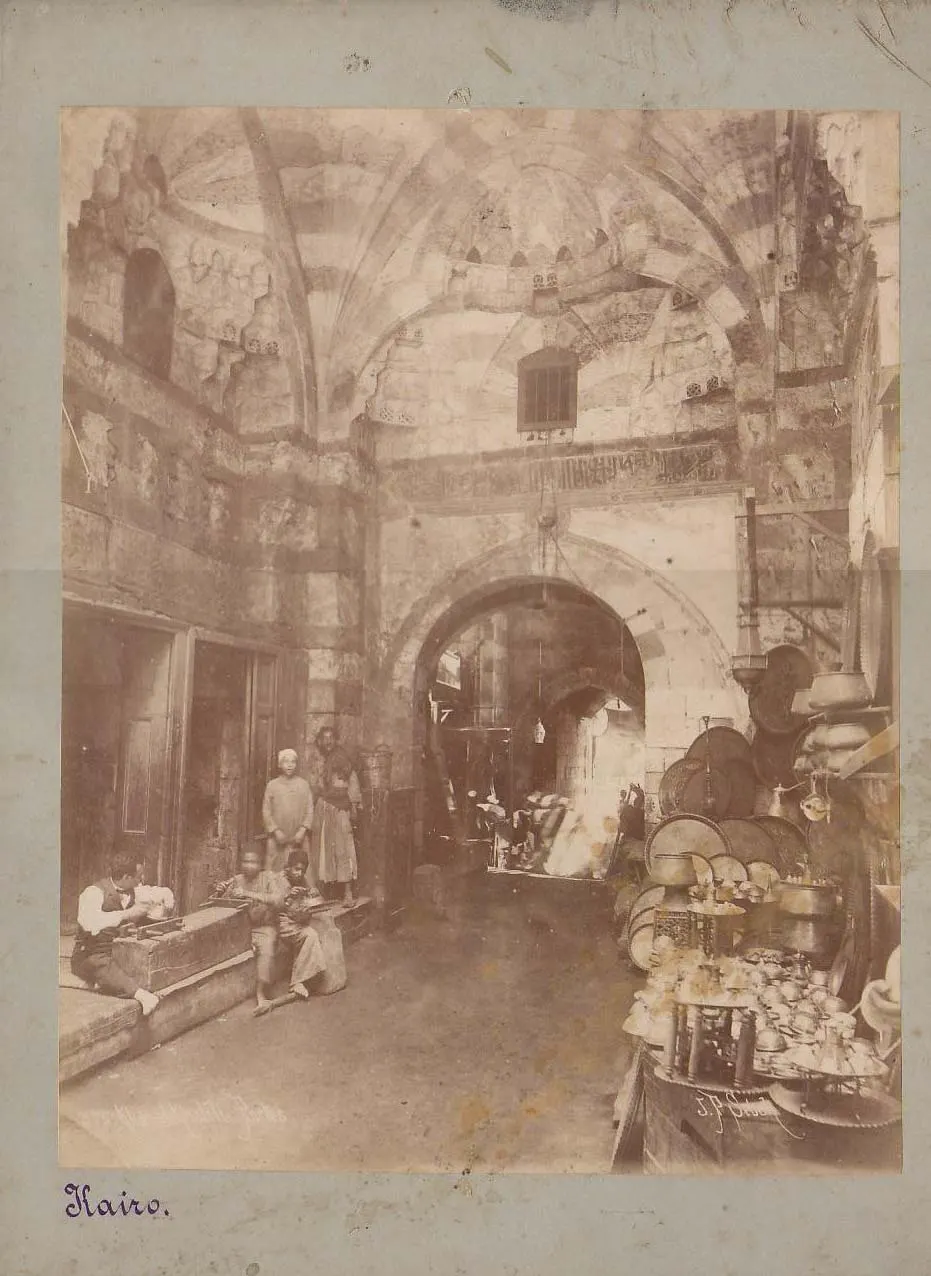
For the next six centuries, the market served as the commercial spine of Cairo. Merchants from across the Ottoman Empire, sub-Saharan Africa, Persia, and India traded here. Spices, textiles, precious metals, and handcrafted goods moved through its lanes in quantities that made Cairo one of the wealthiest cities on earth. At its peak in the late Mamluk period, the district contained 39 separate khans and wikalas — commercial caravanserais where merchants would live, store goods, and trade for months at a time.

Today Khan El Khalili Cairo Egypt remains a working market, not a theme park. Locals buy gold jewellery here for weddings. Craftsmen still hammer copper in back-alley workshops. The Mamluk stone gates at its entrance have stood for over 500 years. That living continuity is precisely what makes the place worth visiting. It is messy, loud, occasionally overwhelming, and completely unlike anything else in Egypt — or anywhere else.

The name “Khan El Khalili” originally referred to a single building in the area. Today it encompasses an entire commercial district of narrow, interconnected lanes, specialised souqs, historic coffeehouses, medieval mosques, and craft workshops that together cover a larger area than most visitors realise.

What to Expect Before You Arrive at Khan El Khalili

Before diving in, set your expectations correctly. Khan El Khalili Cairo Egypt is not a curated shopping experience. It is an ancient commercial district that has evolved across six centuries without a master plan. Arriving with the right mindset makes all the difference.

The lanes are unmarked and deliberately labyrinthine. Getting slightly lost is part of the experience and part of the pleasure. Getting completely lost is easily avoided by keeping the minaret of Al-Hussein Mosque in sight — it is visible from most points within the bazaar and serves as the neighbourhood’s north star.

Prices are never fixed. Everything is negotiable. Vendors open high — often two to three times what they would accept — and fully expect a counter-offer. The opening price is not the real price. Start at 40 to 50 percent of the asking price and negotiate slowly from there.

Not everything is Egyptian-made. A reliable estimate suggests that roughly 60 percent of goods in the tourist-facing sections of Khan El Khalili are imported, often from China. This does not make them worthless, but it does mean that “authentic Egyptian handicraft” claims should be approached with healthy scepticism. Genuine handmade Egyptian crafts exist throughout the bazaar — you just need to know where to look, and this guide will show you.

The best parts are the least obvious. The deeper into the bazaar you go, the more authentic and the more affordable it becomes. The front streets near Hussein Square cater almost entirely to tourists. The back alleys are where the real market lives — where local craftsmen work, where locals shop, and where prices reflect actual value rather than tourist expectations.

Sundays are quiet. Many vendors — particularly in sections with a historically Christian merchant presence — close on Sundays. Friday midday sees closures for prayer. The busiest and most atmospheric days are Thursday through Saturday evenings.

The 5 Main Zones of Khan El Khalili Cairo Egypt (And What Each One Offers)

Understanding how Khan El Khalili is organised transforms the visit from overwhelming to genuinely manageable. Most tourists treat it as a single undifferentiated market and end up spending all their time and money in the first three lanes. It is, in fact, several distinct commercial zones that have grown together across centuries.

Zone 1 — The Tourist Corridor (Hussein Square Entrance)

This is what most visitors see, and where most travel guides stop. The lanes immediately off Hussein Square are lined with souvenir shops selling papyrus prints, alabaster figurines, cartouche jewellery, decorative scarabs, and miniature sphinx replicas. The quality ranges from acceptable to very poor, and prices are set with the assumption that foreign visitors do not know local market rates.

Worth doing here: Walk through it, absorb the atmosphere, and if you want a small inexpensive souvenir, buy it here — but spend no more than ten minutes browsing before pushing deeper into the bazaar.

The most useful phrase you will learn: “Shukran, mesh awiz” — thank you, I am not interested. Delivered with a smile and continued walking, it is more effective than any argument.

Zone 2 — The Gold Souk

Cairo’s gold souk sits within the Khan El Khalili district and is one of the most active jewellery markets in the Middle East. The gold sold here is genuine — typically 18 or 21 karat — and priced by weight against the daily market rate, with a craftsmanship premium added on top. Unlike the souvenir corridor, where prices are almost entirely invented, gold prices here have a factual anchor: the international gold price, which any vendor can show you on their phone.

The range of designs is extraordinary. Pharaonic-inspired pieces — cartouche pendants engraved with your name in hieroglyphics, Eye of Horus necklaces, scarab rings — sit alongside Ottoman-influenced calligraphy pieces and contemporary Egyptian designs. The workmanship on the better pieces is genuinely excellent.

What to look for: A hallmark stamp indicating karat purity. Reputable gold souk vendors will show you this without being asked. If a vendor cannot produce the hallmark, walk to the next shop.

What to avoid: Any gold piece sold at a suspiciously low flat price with no reference to weight or karat. Genuine gold is always priced by the gram.

Zone 3 — The Spice and Perfume Alleys

Behind the main tourist corridor lie the spice and perfume lanes — arguably the most sensory-rich section of the entire bazaar, and the section that rewards a slower pace most generously. Shops here sell saffron, dried hibiscus flowers (karkadeh), cumin, coriander, fenugreek, dried rose petals, carob, and dozens of other spices in open sacks at prices dramatically lower than Western specialty food shops.

The perfume section, running alongside and between the spice stalls, offers traditional Egyptian attars — concentrated fragrance oils — and pure oud oils that form the base notes of many expensive Western luxury perfumes. Shopkeepers here are generally the most knowledgeable and least aggressive vendors in the bazaar. They are proud of their stock and genuinely interested in helping you find something you will use.

Worth buying: Dried karkadeh (makes spectacular hibiscus tea), saffron in small quantities (smell it before buying — real saffron has a distinctive metallic-floral scent), kohl eyeliner in traditional applicator tubes, and concentrated oud oil if you enjoy woody fragrances.

Worth skipping: Any spice in a pre-packaged tourist tin with English labelling and a photograph of the Pyramids on the front. Buy loose, from the open sacks, where you can smell and inspect before committing.

Zone 4 — The Copper and Metalwork Quarter

Follow the sound of rhythmic hammering through the back sections of the bazaar and you will find the copper and metalwork workshops — one of the last places in Cairo where traditional artisanal production continues in full public view. Craftsmen here produce hand-punched copper and brass lanterns, decorative trays, coffee sets, incense burners, and ornamental plates using techniques largely unchanged since the Mamluk period.

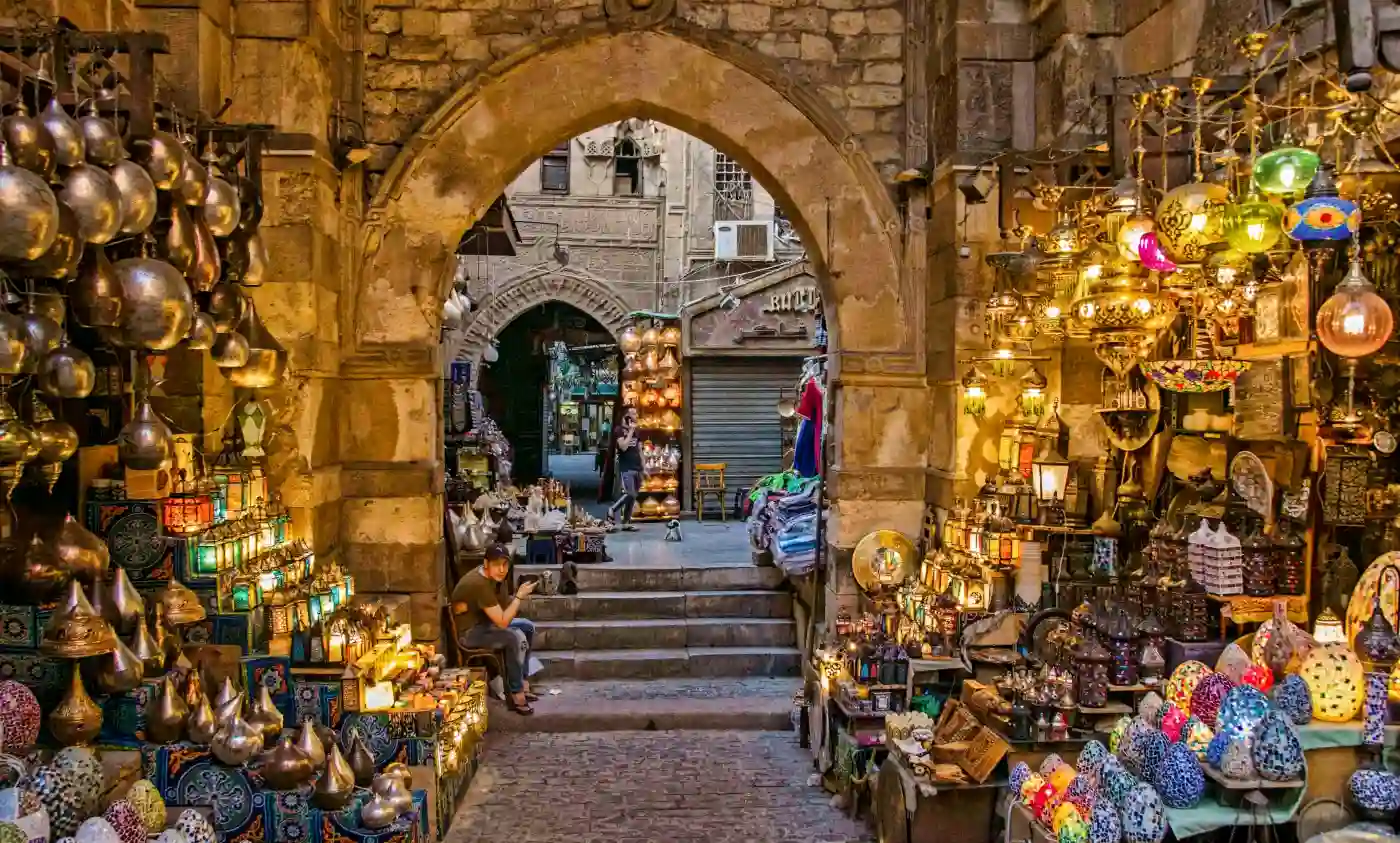
The lanterns are the standout purchase in this zone. Cairo copper lanterns — hand-punched with geometric Islamic star patterns and often fitted with coloured glass inserts — cast a remarkable quality of light and make the most genuinely memorable gift available anywhere in the bazaar. They pack flat, survive checked luggage without drama, and look extraordinary when lit.

How to spot the real thing: Hold a lantern up to a light source. Genuine hand-punched pieces show slight organic irregularities in the perforation pattern — no two holes are perfectly identical. Machine-stamped imports from China are perfectly uniform. The difference is visible within seconds.

Also worth buying: Decorative brass serving trays with engraved Arabic calligraphy or geometric patterns, and traditional copper coffee sets (finjan sets) for Arabic coffee service.

Zone 5 — The Back Alleys (The Living Local Market)

Push past the areas that most tourists reach — past the lantern workshops and the last spice stalls — and you enter a neighbourhood market that exists entirely for Cairenes rather than visitors. This section of Khan El Khalili sells home furnishings, traditional textiles, garments, kitchen equipment, and the ordinary goods of daily Egyptian life, at prices reflecting local purchasing power.

Vendors here are genuinely surprised to see a foreign visitor and are typically more relaxed, more curious, and more willing to engage in actual conversation than their counterparts in the tourist sections. There is no hard sell here because there is no assumption that you are there to buy.

What to do here: Wander without agenda. Have a glass of tea at a local stand — not a tourist café. Watch the craftsmen work. This is the closest you will get to experiencing Khan El Khalili as it has functioned for six centuries: a living, working commercial district where people earn their living and spend their mornings.

The Smartest Way to Visit Khan El Khalili: A Time-of-Day Strategy

The difference between a memorable Khan El Khalili experience and an exhausting, frustrating one comes down almost entirely to timing. The bazaar is a profoundly different place at different hours of the day.

Morning (10 AM to 12 PM) — Best for Serious Shopping

Most shops open gradually from around 9 AM and reach full operation by 10 AM. The morning window offers the lowest crowd density, the most comfortable temperatures, and vendors who are fresh, unhurried, and — crucially — more willing to negotiate patiently. If your primary goal is to shop carefully, particularly in the gold souk or at the craft workshops, morning is consistently the best time.

The spice alleys are also excellent in the morning: the fragrance of the open sacks is strongest in the cooler air, and the market has a focused, purposeful energy that makes browsing feel productive rather than chaotic.

Afternoon (2 PM to 5 PM) — Generally Avoid in Summer

This is the least recommended window for most of the year. Cairo’s summer heat between 2 and 5 PM in the narrow, partially-shaded lanes of Khan El Khalili is genuinely punishing. Vendors tend toward lethargy, tourists toward irritability, and the experience overall toward something you will not remember fondly. If you are visiting between October and April, the afternoon window is more manageable — the temperatures are mild and the light in the late afternoon is beautiful.

Evening (6 PM to 10 PM) — Best for Atmosphere

The evening transformation of Khan El Khalili is one of the most genuinely spectacular daily occurrences in Cairo. As the sun sets, hundreds of copper and glass lanterns illuminate the lanes in layered amber light. The temperature drops to something comfortable. The crowd shifts from primarily tourist to primarily local — families, young Cairenes on an evening out, older men playing backgammon in the square. Street food vendors appear with carts of koshary and ful.

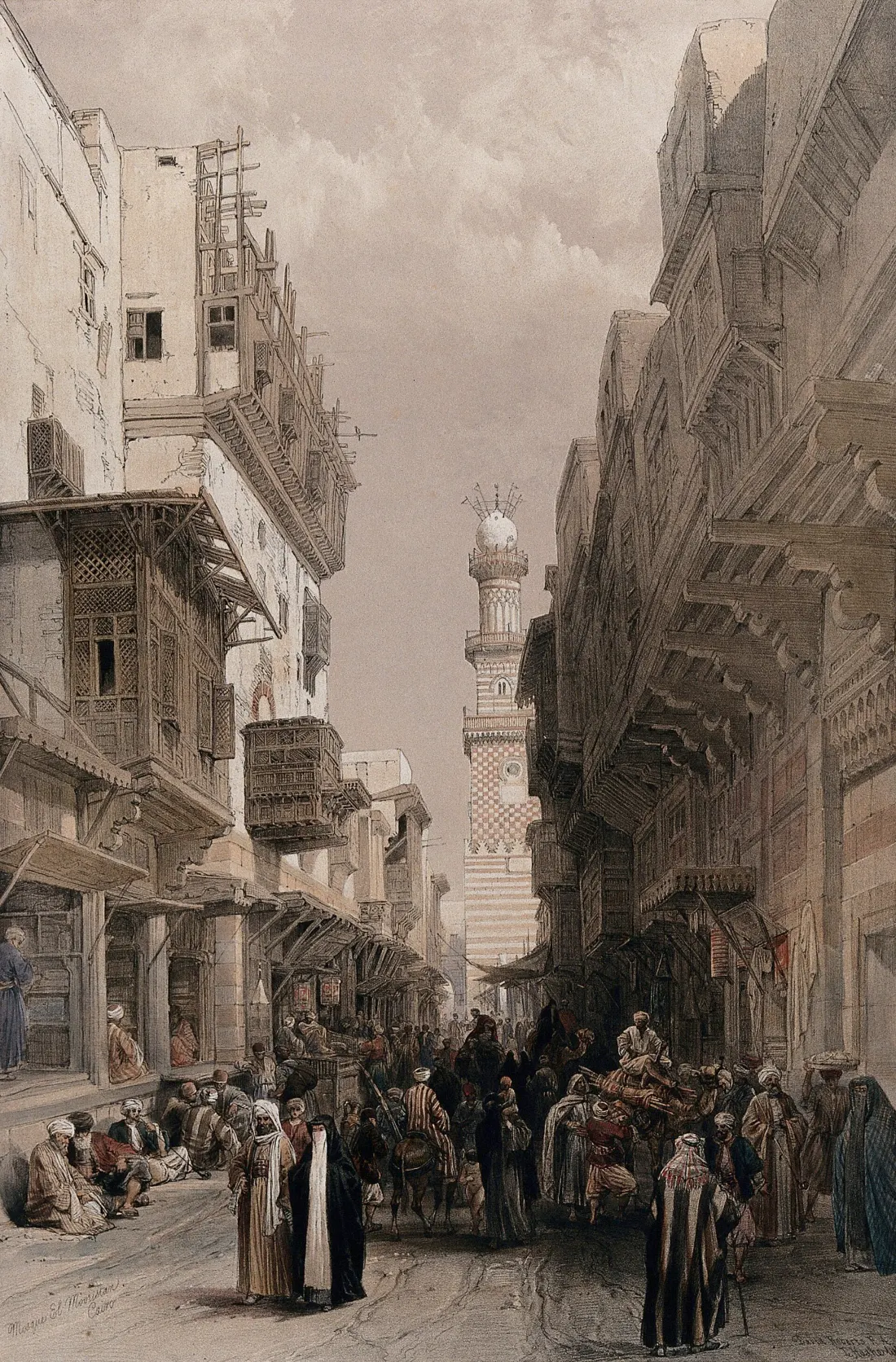
Al-Muizz Street, running alongside the bazaar, becomes a pedestrian promenade in the evenings, and the medieval stone façades of its mosques and palaces take on an entirely different character under artificial light. El Fishawy Café fills to capacity and oud players often set up in the alleyway outside.

If you can only visit Khan El Khalili once, visit in the evening. The extra hour of setup is worth every minute.

What to Buy — and What to Leave Behind — at Khan El Khalili Cairo Egypt

This is the practical information that most guides either omit or get wrong.

Worth Buying

Gold jewellery from the gold souk. Priced by weight against the real market rate, genuinely good quality, and the pharaonic and Islamic designs are unavailable at comparable prices anywhere outside Egypt. Confirm the karat hallmark before purchase.

Hand-punched copper and brass lanterns. The single best souvenir available in Khan El Khalili for most visitors. Functional, beautiful, culturally authentic, and reasonably priced relative to the craftsmanship involved.

Dried spices in bulk. Karkadeh (dried hibiscus), saffron, cumin, dried rose petals, and carob are all available at a fraction of their Western specialty shop prices. Bring an extra bag in your luggage specifically for this.

Concentrated oud and perfume oils. Long-lasting, deeply complex, and dramatically cheaper than equivalent Western luxury fragrances. Many high-end Western perfume houses use Egyptian oud as a base note — at Khan El Khalili you buy the source rather than the brand premium.

Hand-stamped leather notebooks from Abd El-Zaher Atelier. Located behind Al-Azhar Mosque, just across the street from the main bazaar, this small bookbinding workshop produces personalised leather-bound notebooks, photo albums, and sketchbooks stamped with your name in Arabic or English while you wait. The workshop has been operating for generations. The price is very low for what you receive.

Handmade embroidered textiles. Deeper in the bazaar, workshops produce cushion covers, table runners, and small wall hangings hand-stitched with Quranic calligraphy, pharaonic motifs, and traditional Egyptian geometric patterns. These are genuinely handmade, genuinely Egyptian, and genuinely difficult to find at equivalent quality outside the country.

Kohl eyeliner in traditional applicator. Small, inexpensive, authentic, and culturally specific to Egypt. One of the best small gifts available.

Not Worth Buying

Papyrus prints from tourist stalls. The overwhelming majority of “papyrus” sold in the tourist corridor is printed on banana leaf, reed, or treated cotton — not genuine papyrus plant. Genuine papyrus is sold by specialist galleries in Cairo and costs significantly more. If the price seems too good, the material is not papyrus.

Plastic or resin figurines of Egyptian gods and pharaohs. These are almost universally imported from China and have no connection to Egyptian craft traditions. They are the definition of a souvenir that does not survive the journey home with dignity.

Pre-packaged spice tins with tourist labelling. The tin is the product; the spice inside is incidental. Always buy loose spices from the open sacks in the dedicated spice alley.

“Ancient antiques” from tourist-facing stalls. Genuine Egyptian antiquities cannot legally be exported from the country, and authentic ancient objects are not sold openly in bazaar stalls. What is presented as antique is, without exception, reproduction. Some of the reproductions are beautiful and worth buying as decorative objects — simply do not pay antique prices for them.

Beyond Shopping: What Else to See Near Khan El Khalili Cairo Egypt

Khan El Khalili sits at the heart of one of the world’s greatest concentrations of medieval Islamic architecture. Treating the bazaar as a shopping stop rather than as a gateway to the surrounding historic district means missing the most remarkable parts of the neighbourhood.

Al-Muizz Street

Running directly alongside and through Khan El Khalili, Al-Muizz Street (Sharia Al-Muizz Li-Din Allah al-Fatimi) is one of the most extraordinary urban thoroughfares anywhere in the world — a continuous procession of Mamluk and Fatimid mosques, mausoleums, palaces, and commercial buildings spanning nearly a thousand years of architectural history. The Qalawun Complex, the Madrasa of Sultan Barquq, and the Palace of Beshtak are all located along this single street. The street is pedestrianised in the evenings and best explored slowly on foot.

Al-Hussein Mosque and Midan Hussein

The square in front of Al-Hussein Mosque is the social and spiritual heart of Islamic Cairo. The mosque is one of the most sacred sites in Egypt — it is believed to house a relic of Hussein ibn Ali, the grandson of the Prophet Muhammad. Non-Muslims cannot enter the mosque itself, but the square is a magnificent place to sit, watch, and let the city’s rhythms wash over you. At evening prayer time, the sound of the call to prayer from multiple surrounding mosques is one of the most moving sonic experiences Cairo offers.

Wekalet El Ghouri Arts Centre

A beautifully restored Mamluk-era wikala (caravanserai), Wekalet El Ghouri has been converted into a cultural performance centre and regularly hosts the Al-Tanoura Egyptian Heritage Dance Troupe — performers of the Sufi whirling dervish tradition. Shows take place on Tuesday, Wednesday, and Saturday evenings and are completely free of charge. This is one of the most authentic cultural performances available to visitors anywhere in Cairo. Book or arrive early; it fills quickly.

El Fishawy Café

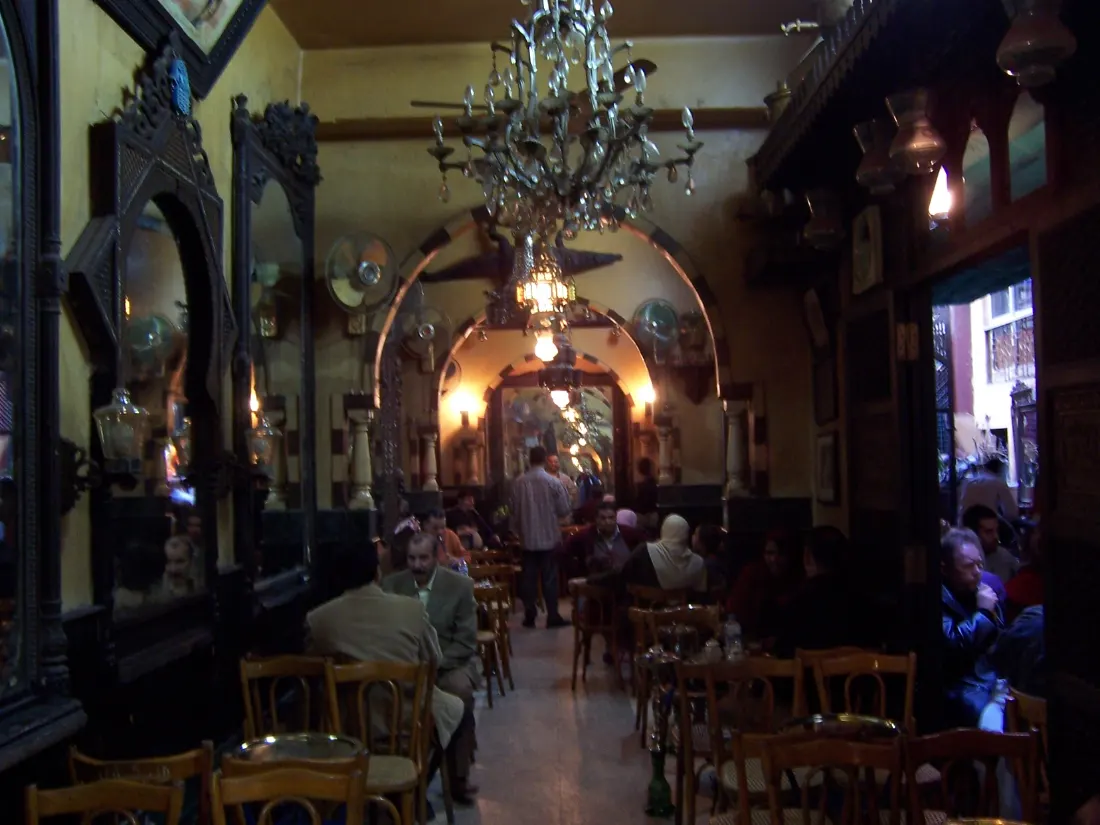
Founded in 1771, El Fishawy is the oldest coffeehouse in Cairo and one of the most famous cafés in the entire Arab world. Naguib Mahfouz — Egypt’s Nobel Prize laureate in literature — held court here for decades, and his regular table is still pointed out by staff. The café is small, mirrored, hung with brass lanterns, and panelled in carved mashrabiya wood. It operates 24 hours a day, seven days a week, and has reportedly never closed its doors in over 250 years.

Order mint tea. Sit in the alleyway if a table is available there. Do not be in a rush. No museum in Cairo will give you a more vivid, immediate sense of what this city has been across the centuries.

The Qalawun Complex

A ten-minute walk from the heart of Khan El Khalili, the Qalawun Complex is a 13th-century Mamluk architectural masterpiece comprising a mosque, a madrasa (Islamic school), and a mausoleum built by Sultan Qalawun between 1284 and 1285. The mausoleum interior in particular is one of the great spaces of medieval Islamic architecture — a soaring octagonal chamber decorated with intricate stucco carving and coloured glass windows. Entry is free and the site is almost always uncrowded.

How to Get to Khan El Khalili?

By taxi or Uber from central Cairo: Tell the driver “Midan Hussein,” not “Khan El Khalili.” Using the square name rather than the tourist name avoids the premium that some drivers apply to tourist destinations. The journey from Tahrir Square takes approximately 15 to 20 minutes outside peak traffic hours; during Cairo’s notorious rush hours (roughly 8 to 10 AM and 4 to 7 PM), allow double the time.

By Cairo Metro: The nearest metro station is Al-Shohadaa (also known as Ramses station, on Line 1 and Line 2). From Al-Shohadaa, a short taxi or tuk-tuk ride to Midan Hussein takes approximately ten minutes.

On foot from the Egyptian Museum: The Egyptian Museum on Tahrir Square is approximately 3 kilometres from Khan El Khalili. The walk takes between 30 and 45 minutes through downtown Cairo and several transitional neighbourhoods, and passes areas of the city that are genuinely interesting in their own right. This is an excellent option if you are combining both sites in a single morning.

Practical note: Do not ask to be dropped at the bazaar entrance itself. Traffic in the immediate surrounding lanes is chaotic, drop-off options are limited, and the approach on foot from Midan Hussein Square (a two-minute walk) is far more pleasant and oriented.

Practical Tips for Visiting Khan El Khalili Cairo Egypt

Dress appropriately. Khan El Khalili is surrounded by active mosques and sits within a conservative residential neighbourhood. Women should cover their shoulders and wear loose trousers or a long skirt. Men in shorts are generally fine in the tourist sections. Comfortable, closed-toe walking shoes are essential — the lanes are ancient, uneven stone.

Carry small Egyptian Pound notes. Many vendors cannot break large denominations, and having exact or near-exact change keeps transactions simple. Avoid displaying large amounts of cash.

Keep a photograph of your hotel’s address on your phone. In Arabic script if possible. Taxi drivers in the surrounding area occasionally have limited English, and showing a photographed address resolves navigation issues instantly.

Do not accept unsolicited guidance. Men who approach tourists near the entrance offering to “show them the real bazaar” or take them to “their cousin’s shop” are operating a commission arrangement. Politely decline and navigate independently.

Bring a small bag with a zip. The bazaar is not particularly dangerous, but it is crowded, and crowded markets anywhere in the world attract opportunistic pickpockets. Keep valuables — phone, passport, larger amounts of cash — in a front pocket or a bag worn across the body.

Expect the unexpected. A wedding procession might pass through the main alley. A call to prayer might stop the market for fifteen minutes. A craftsman might invite you to watch him work and offer tea. These interruptions are not inconveniences — they are the point.

Frequently Asked Questions About Khan El Khalili Cairo Egypt

Is Khan El Khalili worth visiting?

Yes — unreservedly. Khan El Khalili is one of the genuinely unmissable experiences in Cairo, and one of the most atmospheric markets anywhere in the world. The key is to visit with realistic expectations: go for the atmosphere, the architecture, the craft workshops, and the cafés as much as for the shopping itself. Visitors who treat it purely as a shopping destination sometimes feel overwhelmed by the noise and the sales pressure. Visitors who treat it as a living piece of medieval Cairo that happens to also have excellent shopping almost universally consider it one of the highlights of their entire Egypt trip.

What is the best time of day to visit Khan El Khalili?

The evening hours between 6 PM and 10 PM offer the best overall combination of atmosphere, temperature, and energy — particularly during Egypt’s warm months from April through October. Morning hours between 10 AM and noon are best for purposeful shopping, when crowds are light and vendors are fresh and patient. The mid-afternoon window between 2 PM and 5 PM is the least recommended, particularly in summer, when the heat in the narrow lanes is intense.

Is Khan El Khalili Cairo Egypt safe for tourists?

Yes. Khan El Khalili is one of the most heavily visited tourist sites in Egypt and has a consistent security presence, particularly around Midan Hussein. The vast majority of vendor interactions are commercial rather than threatening — persistent, certainly, but not aggressive in any meaningful sense. Standard urban travel precautions apply: keep valuables secured, stay aware of your surroundings in crowds, and use a registered taxi or Uber app for the return journey after dark rather than negotiating informally on the street.

How many hours do you need at Khan El Khalili?

A minimum of two to three hours is necessary to see the main sections with any degree of attention. A proper half-day of four to five hours allows for serious browsing, a sit-down break at El Fishawy, exploration of the gold souk and craft workshops, and a walk along part of Al-Muizz Street. If you build a full Islamic Cairo itinerary around the bazaar — adding Al-Muizz Street, the Qalawun Complex, and an evening performance at Wekalet El Ghouri — you have a complete and deeply satisfying full day that requires no other Cairo sightseeing.

How do you bargain at Khan El Khalili?

Bargaining at Khan El Khalili is expected, universal, and genuinely enjoyable once you understand the conventions. Begin by asking the price with no expression of interest or enthusiasm. Counter with approximately 40 to 50 percent of the stated price. The vendor will respond with a lower figure; you raise slightly; they lower further. The midpoint of this exchange is typically close to the fair price. Walking away — calmly and without drama — is the single most effective bargaining technique available. In the majority of cases, the vendor will call you back with a better price before you reach the next stall. Never apologise for bargaining; it is the expected and respected mode of commerce here.

What should I wear to visit Khan El Khalili?

Comfortable, modest clothing is the right approach. The bazaar is immediately adjacent to several active mosques and sits within a traditional residential neighbourhood where conservative dress is the local norm. Women should cover their shoulders and wear loose trousers or a long skirt rather than shorts. Men in shorts are generally fine in the tourist sections of the bazaar, though trousers are both more respectful and more comfortable when navigating the crowded lanes. Comfortable closed-toe walking shoes are essential — the ancient stone lanes are uneven, sometimes wet, and occasionally slippery.

What are the opening hours of Khan El Khalili?

Most shops in Khan El Khalili Cairo Egypt open between 9 AM and 10 AM and remain open until 10 PM or later, particularly in the evening when the bazaar is at its most lively. El Fishawy Café famously never closes — it has reportedly operated 24 hours a day for over 250 years. Many shops close on Sundays; a smaller number close at midday on Fridays for prayer. The bazaar as a whole never fully shuts down, but the most complete experience is available on Thursday through Saturday evenings.

Can you visit Khan El Khalili on a day trip from Luxor or Hurghada?

Yes. Cairo is well-connected to both Luxor and Hurghada by frequent domestic flights, with journey times of approximately 45 to 60 minutes. El Sultan Travel organises full-day Cairo excursions that include Khan El Khalili, the Egyptian Museum, and the Giza Pyramids — all in a single well-paced itinerary with private airport transfers, a licensed Egyptologist guide, and entrance fees handled in advance. It is one of the most popular day-trip itineraries in Egypt and works well as a standalone addition to a Red Sea or Nile Valley holiday.

Explore Khan El Khalili Cairo Egypt With El Sultan Travel

Khan El Khalili Cairo Egypt is the kind of place that rewards local knowledge. Knowing which alley leads to the copper workshops, which vendor sells genuine saffron and which sells coloured maize silk, which café has been serving the same recipe for two centuries — this is the difference between a visit that feels like tourism and one that feels like genuine discovery.

El Sultan Travel has been connecting visitors with the authentic Egypt since the company was founded — the Cairo that lives behind the postcard images, in the working markets and the medieval mosques and the city’s extraordinary human energy. Our team knows Khan El Khalili the way locals know it: not as a destination, but as a neighbourhood.

Whether you are planning a single afternoon in the bazaar, a full day in Islamic Cairo, or a complete Egypt itinerary that combines Cairo with Luxor, Aswan, and the Red Sea coast, El Sultan Travel handles every detail — private transfers, licensed guides, entrance fees, restaurant bookings — so that your only job is to be present.

The market has been open for over six centuries. It rewards visitors who arrive informed, unhurried, and ready to go deeper than the first three lanes.

👉 Plan Your Cairo Experience with El Sultan Travel