Worried you’ll fly all the way to Egypt and still feel like you “missed the most important things” because there’s simply too much to see? You’re not alone. Egypt holds thousands of years of civilization across dozens of cities—pyramids, temples, museums, tombs, Nile cruises, Red Sea diving. For travelers with seven to ten days, the fear of choosing wrong can be paralyzing. But picture this: waking up in Cairo with a clear, expertly curated plan—Pyramids of Giza at sunrise, the Grand Egyptian Museum, then a smooth flight to Luxor for the Valley of the Kings and Karnak Temple, ending with a quiet evening Nile-side. This article will show you which Egypt tourist attractions truly matter for your trip length and how El Sultan Travel makes those decisions simple.
Why Prioritizing Egypt Tourist Attractions Matters More Than You Think?
Egypt is not one destination—it’s many. Cairo and Giza pulse with urban energy and the world’s most famous pyramids. Luxor and Aswan hold open-air temples that make you feel small beneath carved columns and ancient gods. Abu Simbel rises from the desert in near-mythical scale. The Red Sea offers turquoise water and coral reefs. Alexandria whispers of Mediterranean elegance. The Western Desert promises silence and stars.
Each of these regions could fill a week. But most travelers have seven to ten days total. The result? Decision fatigue. Fear of missing out. Trying to cram too much into too little time, which leads to exhausted days, long transit hours, and the nagging feeling that you’ve skimmed the surface rather than truly experienced anything.
The solution is not to see more—it’s to see better. Think in layers: must-see icons that define Egypt for first-time visitors, deep-dive cultural sites for those with extra time or specific interests, and optional add-ons like beach resorts or desert adventures that depend on your travel style. When you prioritize intentionally, you protect each experience from being rushed. You give yourself permission to linger, ask questions, and feel the weight of where you are.
Let El Sultan Travel be your filter. Share your trip length and interests, and we’ll help you plan your Egypt highlights trip with no guesswork—just honest local guidance.

The Essential Egypt Tourist Attractions for First-Time Visitors
If this is your first time in Egypt and you care about history, culture, and iconic moments, these are the anchor attractions most Cultural Explorers should build around:
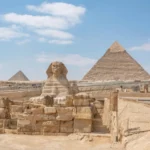
Pyramids of Giza and the Great Sphinx – The defining image of Egypt. Standing at the base of the Great Pyramid is a visceral experience: scale, precision, age. Plan three to four hours here, ideally early morning or late afternoon for better light and fewer crowds.
Grand Egyptian Museum (GEM) – Newly opened near Giza, this is the world’s largest archaeological museum, housing King Tutankhamun’s treasures and tens of thousands of artifacts displayed in stunning modern galleries. Budget at least three hours; serious museum lovers could spend a full day.
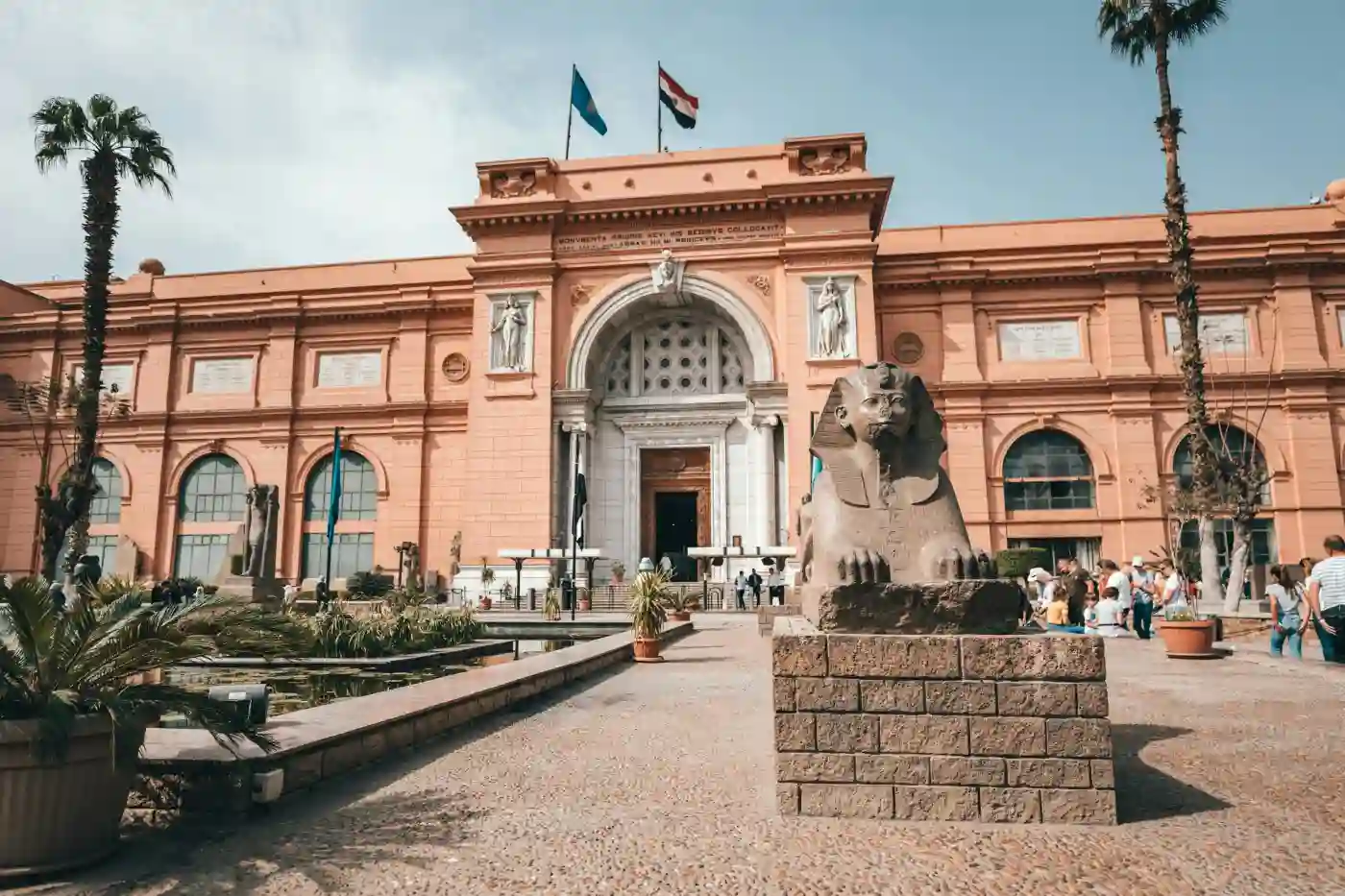
Cairo’s Historic Heart – Depending on your interests: Old Cairo (Coptic churches, the Hanging Church, Ben Ezra Synagogue, Amr Ibn Al-As Mosque) or Khan El Khalili bazaar for atmosphere, shopping, and street life. The older Egyptian Museum in Tahrir Square is still worth visiting if you want a more intimate, layered experience before or after GEM.
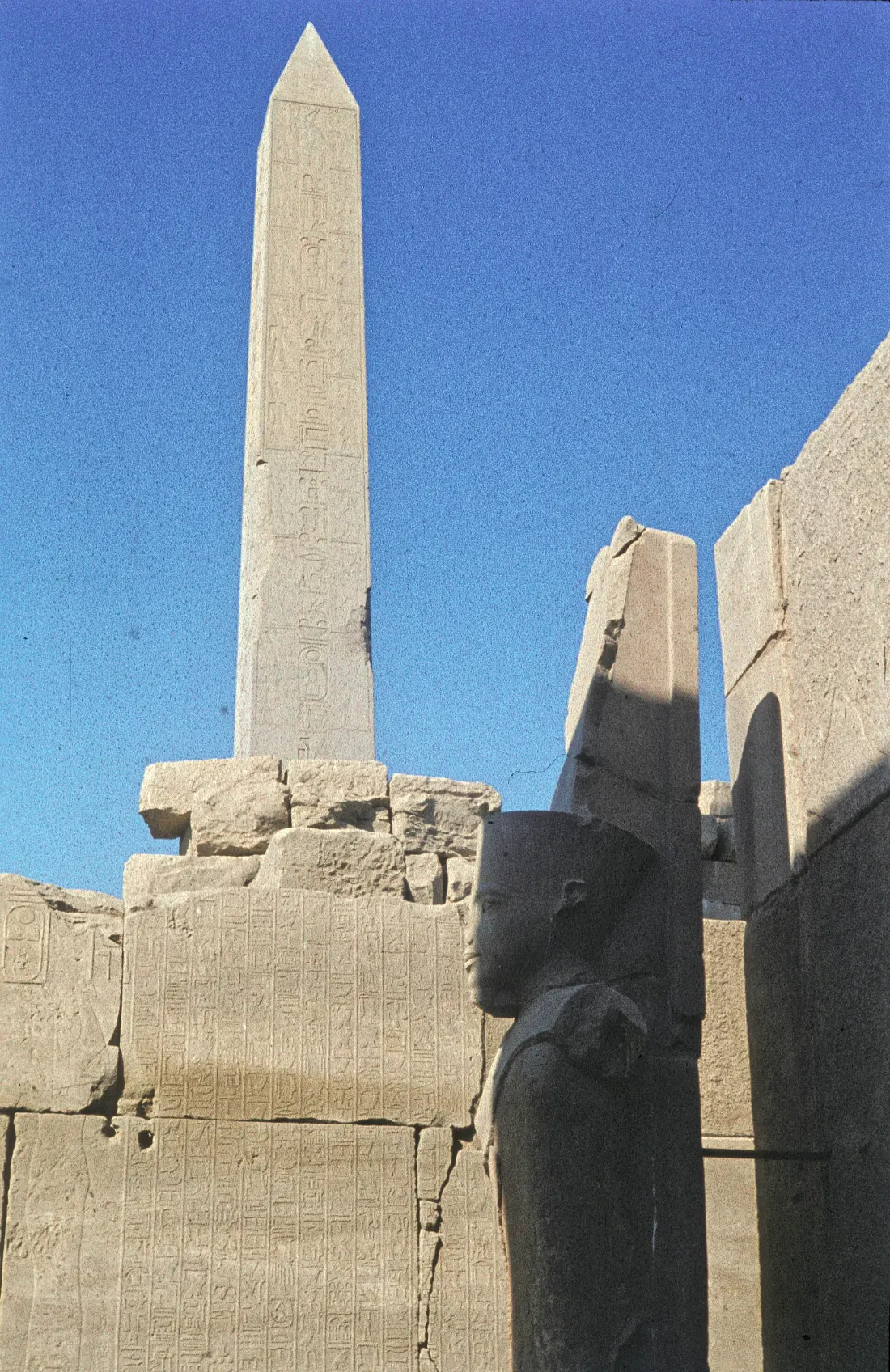
Luxor’s East Bank – Karnak Temple (vast, awe-inspiring, best in late afternoon light) and Luxor Temple (smaller, elegant, beautiful at night when lit). These temples show Egypt’s New Kingdom grandeur and are essential for understanding ancient religion and power.
Luxor’s West Bank – Valley of the Kings (royal tombs carved into cliffs, including Tutankhamun’s), Valley of the Queens, Hatshepsut’s Temple (dramatic terraces against rock), and the Colossi of Memnon. This is where you step inside the ancient burial world and see vivid wall paintings preserved for millennia.
Aswan and Philae Temple – Aswan is calmer, greener, more African in feel. Philae Temple, dedicated to Isis, sits on an island and is reached by boat—a serene, beautiful experience. Aswan is also the gateway to Abu Simbel.
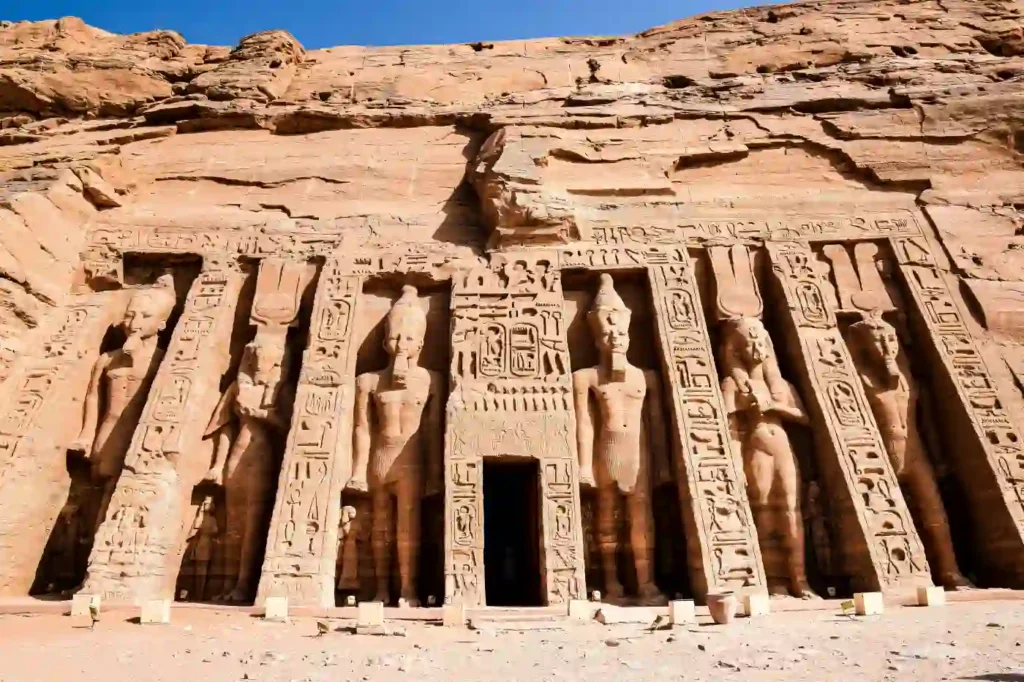
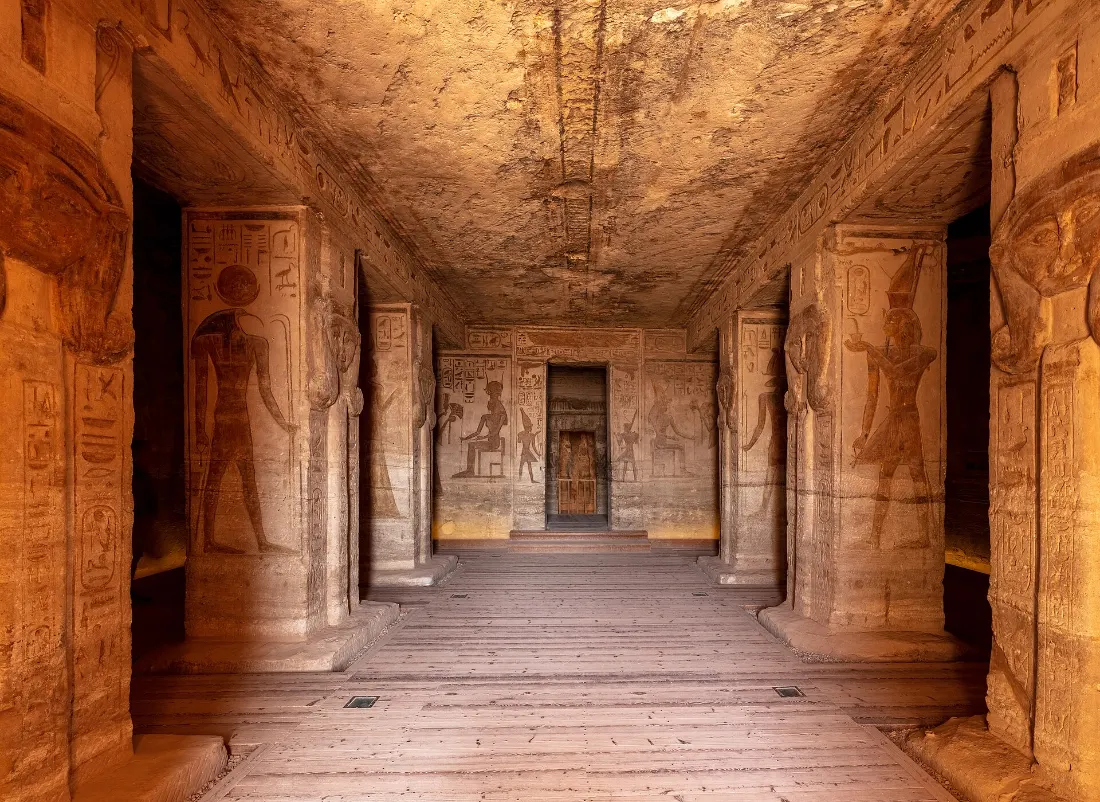
Abu Simbel – Four colossal statues of Ramses II guard a temple carved into a mountain, relocated stone by stone to save it from flooding. It’s remote (three hours south of Aswan by road or a short flight), but for many travelers, it’s the single most powerful monument in Egypt. If you have the time, it’s worth prioritizing.
Red Sea (Optional Add-On) – Resorts like Hurghada or Sharm El Sheikh offer diving, snorkeling, and beach relaxation. This isn’t a cultural highlight, but if you want a few days to decompress after temples and tombs, it can round out a longer trip.
These are the core Egypt tourist attractions most first-timers circle on a map. They represent different eras, experiences, and moods—from the Old Kingdom pyramids to New Kingdom temples to island sanctuaries to underwater coral. Your job is to decide which combination fits your time.
Share how many days you have with El Sultan Travel, and we’ll help you map these essentials into our Cairo–Luxor–Aswan highlights itineraries—realistic, well-paced, and perfectly prioritized.

Cairo vs Nile Valley vs Red Sea: How to Divide Your Days
Think of Egypt in three main zones, each with distinct attractions and atmospheres:
Zone 1: Cairo & Giza (Urban Energy + Pyramids + Museums)
This is where most trips begin or end. You’ll see the Pyramids of Giza, the Grand Egyptian Museum, and explore Cairo’s layers—Coptic, Islamic, modern. Cairo is intense, crowded, fascinating. Plan at least two full days here, ideally three if you want to include both GEM and the older Egyptian Museum, plus Old Cairo or the Khan El Khalili bazaar.
Zone 2: Nile Valley (Luxor, Aswan, Abu Simbel, Often Linked by Cruise)
This is Egypt’s cultural heartland: temples, tombs, the Nile itself. Luxor alone deserves two days (East Bank one day, West Bank the next). Aswan adds another day, plus a half-day for Abu Simbel if you go. Many travelers connect Luxor and Aswan with a three- to four-night Nile cruise, which includes temples along the way (Edfu, Kom Ombo) and turns transit into an experience.
Zone 3: Red Sea or Other Add-Ons (Hurghada, Sharm, Alexandria, Desert Adventures)
These are optional extensions. The Red Sea is pure relaxation—diving, snorkeling, beach time. Alexandria offers Greco-Roman history and Mediterranean seafood. Western Desert oases (Siwa, Bahariya) are for adventurous travelers seeking silence and star-filled nights. Add these only if you have ten-plus days and want variety beyond temples.
Simple Time Allocation Rules:
- 7–8 days: Prioritize Cairo/Giza + Nile Valley (Luxor and Aswan). Skip the Red Sea or save it for next time.
- 10–12 days: Cairo/Giza + full Nile Valley + a short Red Sea or Alexandria stop.
- 5–6 days (short trip): Focus on Cairo/Giza deeply, with possibly a quick flight to Luxor for one or two temple highlights, or do a Cairo-focused trip and return another time for the Nile.
Let El Sultan Travel suggest a custom split of days based on your exact trip length—get a custom Egypt day-by-day plan that balances history and relaxation perfectly.

Sample Priority Itineraries by Trip Length
Here are high-level frameworks to help you visualize how to prioritize Egypt tourist attractions based on your available days:
5 Days (Cairo-Focused or Cairo + Luxor Snapshot)
- Day 1–2: Cairo and Giza (Pyramids, GEM, Old Cairo or bazaar)
- Day 3: Fly to Luxor, see Karnak and Luxor Temple
- Day 4: Valley of the Kings and Hatshepsut, fly back to Cairo
- Day 5: Buffer day or departure
What to skip: Aswan, Abu Simbel, Nile cruise, Red Sea. Save these for a longer trip.
7 Days (Cairo + Nile Valley Core Highlights)
- Day 1–2: Cairo and Giza (Pyramids, GEM, Egyptian Museum or Old Cairo)
- Day 3: Fly to Luxor, explore East Bank
- Day 4: Luxor West Bank (Valley of the Kings, Hatshepsut)
- Day 5: Travel to Aswan (by flight or cruise start), see Philae Temple
- Day 6: Abu Simbel day trip or relax in Aswan
- Day 7: Return to Cairo and depart
What to skip: Red Sea, Alexandria, multi-day Nile cruise (unless you replace Luxor-Aswan flights with a shorter cruise).
10 Days (Cairo + Full Nile Valley + Optional Add-On)
- Day 1–3: Cairo and Giza (Pyramids, GEM, Egyptian Museum, Old Cairo, Khan El Khalili)
- Day 4–7: Nile cruise from Luxor to Aswan (includes Valley of the Kings, Karnak, Edfu, Kom Ombo, Philae)
- Day 8: Abu Simbel day trip from Aswan
- Day 9–10: Fly to Hurghada or Sharm for Red Sea relaxation, or add Alexandria for Mediterranean history
What to skip: Desert oases, extended Red Sea stays. You’ll have touched all the major cultural highlights.
These are frameworks, not rigid schedules. Your interests, pace, and energy matter. Some travelers want more museum time, others want more temple time, and some want early-morning hot air balloon rides over Luxor’s West Bank.
El Sultan Travel can turn any of these frameworks into a detailed, bookable plan—browse our 7–10 day Egypt highlights tours or request a fully customized version that fits your exact preferences.
When You Can’t See Everything: What to Skip (For Now) Without Regret
Here’s the truth: even Egyptians who love history haven’t seen every temple, tomb, and oasis. Egypt is vast, layered, and impossible to “complete” in one trip. That’s not a failure—it’s an invitation to return.
If your time is limited, here’s what you can confidently skip on a first visit without major regret:
- Abu Simbel (if you’re really pressed for time): It’s spectacular, but it requires an early wake-up or a separate flight. If you only have seven days and want a relaxed pace, save it for your next Egypt trip.
- The Red Sea (if you’re a temple lover): If your passion is ancient history, use every available day for pyramids, museums, and Nile Valley temples. The beach will still be there.
- Alexandria (unless you love Greco-Roman history or Mediterranean vibes): It’s a different Egypt—coastal, more European in feel. Worth it if you have extra days, but not essential for a classic Egypt cultural journey.
- Multi-day desert safaris: These are for adventurous travelers seeking remote beauty. Beautiful, but not part of the “greatest hits” route.
The key is intentional choice. If you love underwater worlds, prioritize the Red Sea over extra temple days. If you’re traveling with young kids, focus on fewer sites per day with more “wow” moments (pyramids, a museum, a simple felucca ride on the Nile). If temples are your obsession, go deep in Luxor and Aswan.
There’s no right or wrong—only what fits your curiosity, energy, and time.
Share your must-see list with El Sultan Travel, and we’ll help you decide what to save for your next visit and what to protect on this one.
Simple Rules to Prioritize Egypt Tourist Attractions Without Stress
If you prefer to think through prioritization on your own before reaching out, here are clear principles to guide you:
- Anchor your trip around 3–5 must-see attractions, then fill in supporting sites.
Choose your non-negotiables first (e.g., Giza Pyramids, Valley of the Kings, Karnak Temple), then add secondary sites that fit logically around them. - Plan no more than 2–3 major sites per day.
Egypt’s heat, walking, and sensory intensity add up. Two temples in one day can feel rich and fulfilling. Four temples in one day can feel exhausting and blurred. - Group attractions by area to reduce travel time.
Don’t ping-pong across the country. Cluster Cairo/Giza days together, Luxor days together, Aswan days together. This protects your energy and maximizes time at sites rather than in transit. - Decide early if a Nile cruise or Red Sea stay is a priority.
A three- to four-night Nile cruise replaces flights between Luxor and Aswan and turns the journey itself into an attraction. If you value that slow, scenic experience, protect those days. If you prefer fast-paced city-to-city travel, stick with flights. - Build in buffer time.
Don’t schedule every hour. Leave half-days for wandering, resting, or adjusting plans. Egypt rewards spontaneity and breathing room. - Choose depth over breadth.
It’s better to spend three hours at Karnak Temple with a great guide, asking questions and absorbing the scale, than to rush through five temples in one day with no memory of which was which.
Prioritization is not about seeing the most. It’s about experiencing the most meaningfully. These rules won’t eliminate every decision, but they’ll reduce the noise and help you focus.
Use these rules as a starting point, then ask El Sultan Travel to refine them into a personalized Egypt itinerary that fits your exact days, interests, and pace.
Your Egypt Journey, Prioritized and Protected
Egypt holds more than any single trip can contain. That’s not a problem—it’s a gift. It means you don’t have to see everything. You only have to see the right things for you, at the right pace, in the right sequence.
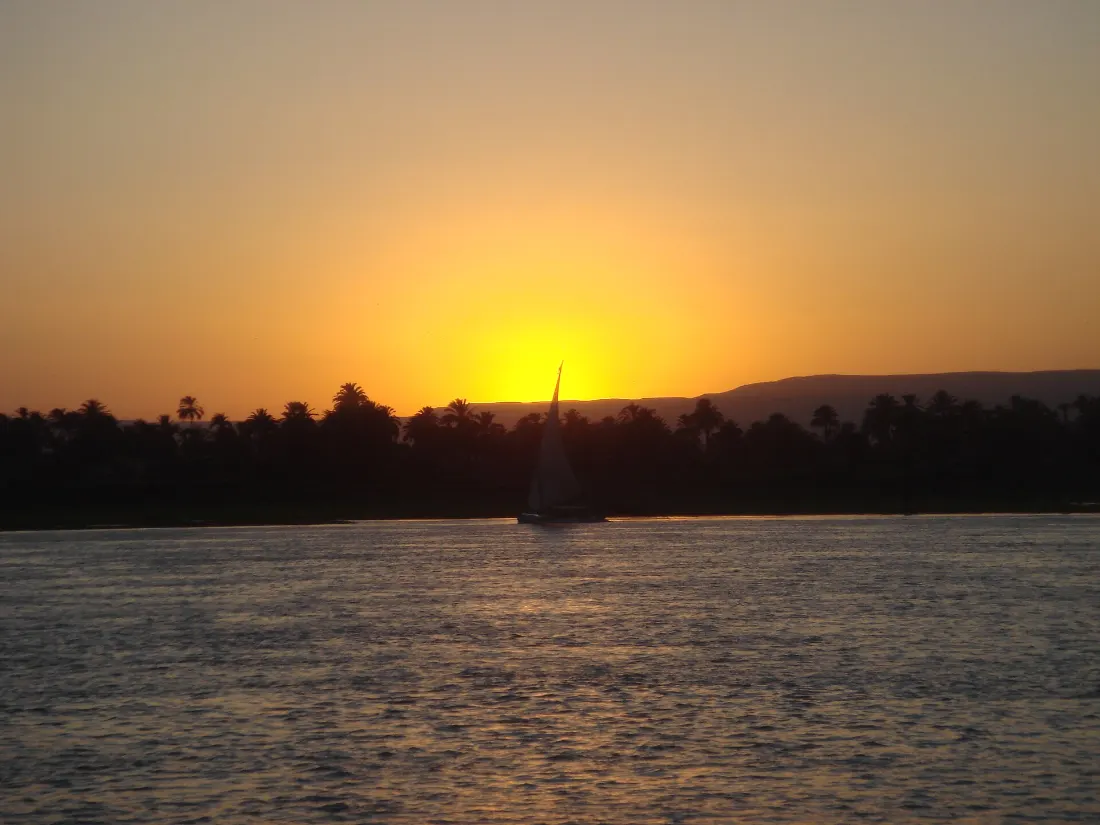
Prioritizing Egypt tourist attractions is not about cutting dreams. It’s about protecting them from exhaustion, confusion, and the regret of rushing. It’s about waking up each morning knowing exactly where you’re going and why it matters. It’s about standing in the Valley of the Kings with time to ask questions, sitting on your Nile cruise deck as the sun sets over temple ruins, and returning home not with a blurred checklist but with clear, powerful memories.
El Sultan Travel exists to make that kind of trip possible. We don’t sell you “50 attractions in 7 days.” We listen to your time, your curiosities, your energy, and then we design a journey where every day has purpose and breathing room. We handle the logistics—flights, tickets, guides, timing—so you can focus on the experience.
Turn your long wish list of Egypt tourist attractions into a beautifully prioritized journey. Start planning your Egypt highlights journey with El Sultan Travel today—contact us with your dates and interests, and let’s design a trip where every moment feels intentional, calm, and truly yours.
FAQ Section
What are the must-see Egypt tourist attractions on a first trip?
The Pyramids of Giza, the Grand Egyptian Museum, Luxor’s Karnak Temple and Valley of the Kings, and Aswan’s Philae Temple. If you have extra days, add Abu Simbel and consider a Nile cruise between Luxor and Aswan.
What is the best month to visit Egypt’s main attractions?
October through April. Temperatures are pleasant, especially in Upper Egypt (Luxor and Aswan), which can be brutally hot in summer. December and January are peak season—more crowds but ideal weather.
Are Egypt’s tourist attractions safe to visit?
Yes. Major tourist sites are well-policed and safe. Millions of travelers visit each year without incident. Travel with a reputable operator, follow local guidance, and use common sense.
Is it better to join a tour or plan everything myself?
For first-time visitors, a guided tour or custom itinerary with a local operator like El Sultan Travel is strongly recommended. Egypt’s logistics (domestic flights, tickets, timing, navigation) can be confusing. Expert guidance ensures smooth, meaningful experiences without stress.
Can families with kids enjoy the main sights without getting exhausted?
Absolutely. Focus on fewer sites per day, choose kid-friendly highlights (pyramids, boat rides, short museum visits), and build in rest time. Private tours allow you to move at your family’s pace and adjust on the go.