Worried that visiting the Egyptian pyramids might feel overwhelming, overly crowded, or confusing—more stress than magic? You’re not the only one. Many first-time visitors long to stand before these legendary monuments, yet they hesitate, unsure whether the experience will feel meaningful or just another chaotic tourist stop. That’s exactly why well-designed guidance makes all the difference when it comes to the Egyptian Pyramids Explained for Travelers.

Egyptian Pyramids in Plain Language: What Travelers Really Need to Know

At their simplest, the Egyptian pyramids are royal tombs—massive stone structures built thousands of years ago to house the bodies of pharaohs and help them journey into the afterlife. They are symbols of power, faith, and an empire that believed the soul continued beyond death. Today, they are one of the most iconic travel experiences on Earth: a chance to stand at the edge of human history and feel the weight of time.

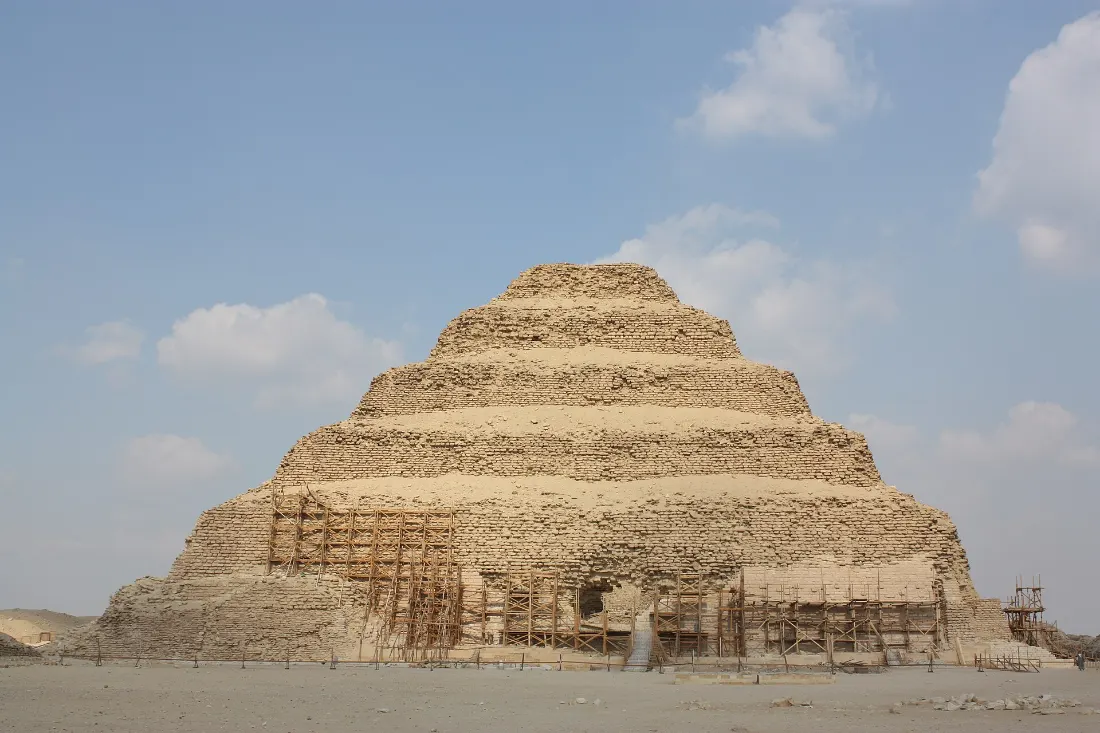
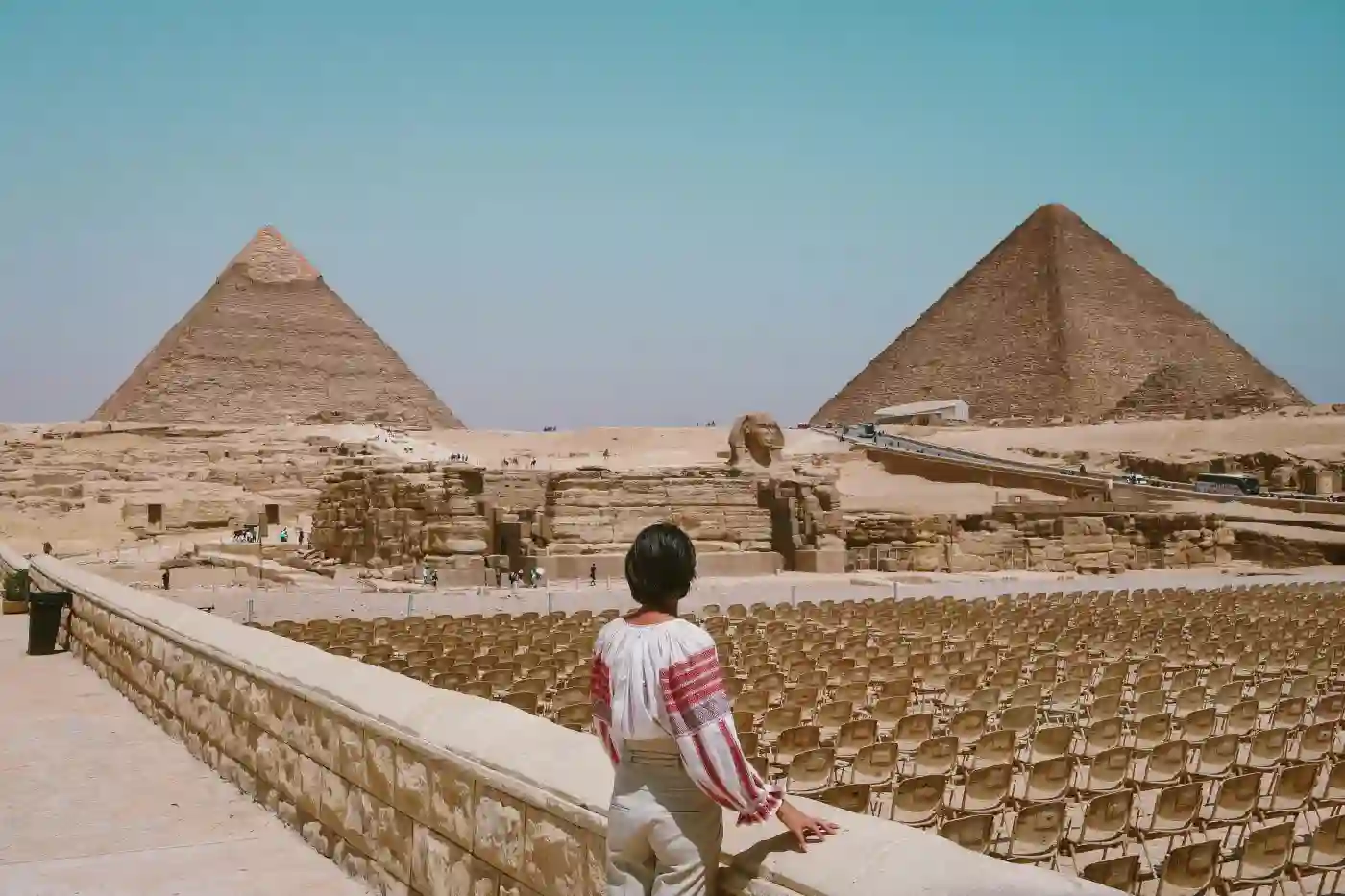
For travelers, the most important thing to know is this: there are several pyramid sites near Cairo, but three stand out. The Pyramids of Giza are the famous trio you’ve seen in photographs—the Great Pyramid of Khufu, the Pyramid of Khafre, and the smaller Pyramid of Menkaure, plus the Sphinx. Saqqara is older and quieter, home to the Step Pyramid of Djoser, the world’s first large stone building. Dahshur feels like the desert’s secret: two pyramids, fewer crowds, and vast, open sky.

This article isn’t about debating construction theories or memorizing dynasty timelines. It’s about preparing you to experience the pyramids—to know what they’ll feel like, how to visit without stress, and how to let the place move you rather than confuse you. Whether you have half a day or a full day, whether you’re traveling solo or with family, the pyramids can be clear, meaningful, and beautifully organized.

Ready to Experience the Pyramids Your Way?
Connect with our Egypt specialists for a personalized pyramids itinerary.
Start Planning

Egyptian-Pyramids-Explained-for-Travelers

Where to See the Egyptian Pyramids: Giza, Saqqara, and Dahshur Explained?

The Pyramids of Giza: The Icons

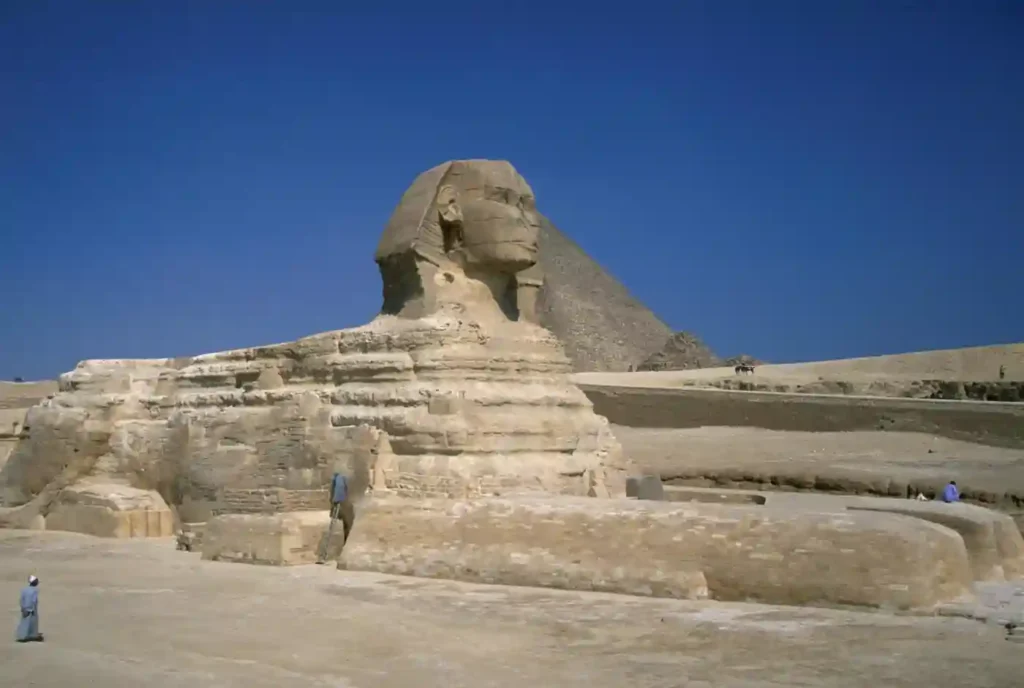
Giza is where most travelers begin. The Great Pyramid—the largest of the three—rises 146 meters into the sky and was the tallest man-made structure on Earth for nearly 4,000 years. Beside it stand the pyramids of Khafre (with its cap of smooth limestone still intact at the top) and Menkaure. A short walk away, the Great Sphinx reclines in the sand, its lion body and human face gazing eastward toward the rising sun.

Visiting Giza feels monumental. The scale is hard to grasp until you’re standing at the base of a single stone block, taller than you are. The site can be crowded, especially mid-morning, and you’ll encounter souvenir vendors and camel drivers. But with good timing and a knowledgeable guide, the experience is stunning: you’ll walk between the pyramids, photograph the Sphinx from multiple angles, and—if you choose—step inside one of the pyramids to see the narrow passageways leading to the burial chamber. Expect to spend two to three hours here if you’re seeing the highlights, longer if you’re exploring in depth.

Saqqara: The Older, Quieter Site

About 30 kilometers south of Giza, Saqqara feels like a different world. The Step Pyramid of Djoser, built around 2650 BCE, predates the Giza pyramids and marks the evolution from flat-topped tombs to true pyramids. The site is sprawling, less crowded, and beautifully atmospheric. You’ll walk across open desert, visit decorated tombs with vivid wall paintings, and feel the stillness that comes with fewer tourists.

Saqqara rewards curious travelers. It’s less about the single iconic photograph and more about soaking in the layers of history, the sense of discovery, and the quiet beauty of an ancient necropolis stretching across the sand.

Egyptian-Pyramids-Explained-for-Travelers

Dahshur: The Desert’s Secret

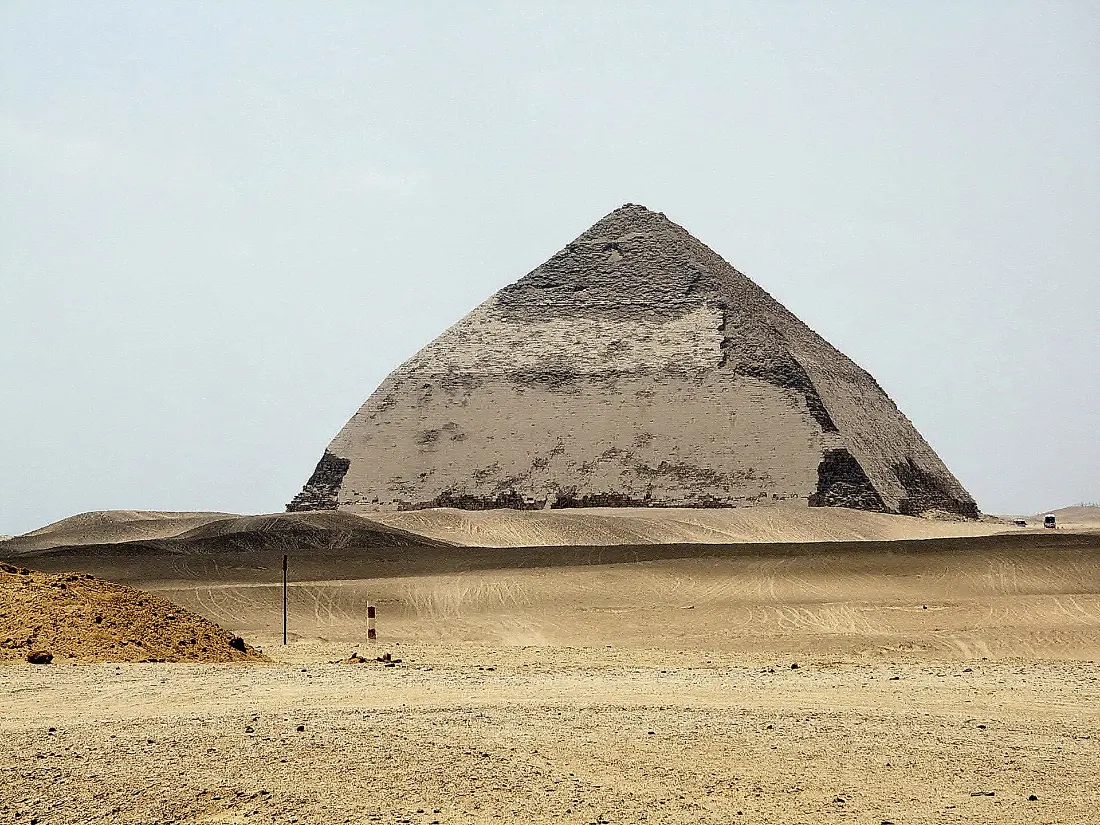
Dahshur, just south of Saqqara, is where you’ll find two of Egypt’s most striking pyramids: the Red Pyramid and the Bent Pyramid. The Bent Pyramid is famous for its unusual angle—halfway up, the slope changes, giving it a kinked silhouette. The Red Pyramid is one of the few you can climb inside with relative ease, descending into cool, echoing chambers deep within the structure.

Dahshur sees far fewer visitors than Giza. The atmosphere is serene, almost meditative. If you want space, silence, and the feeling of discovering something not everyone sees, this is your place.

Which Pyramid Sites Should You Visit?
Let our local guides help you choose the perfect combination.
Get Expert Advice

What It Actually Feels Like to Visit the Pyramids?

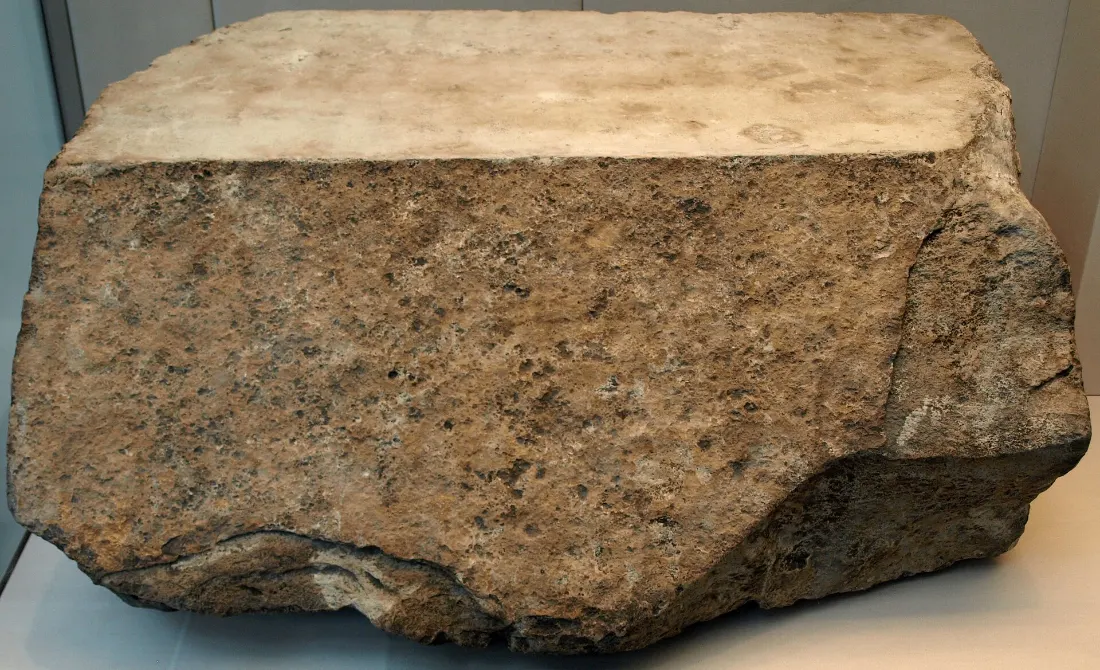
Standing at the base of the Great Pyramid for the first time is disorienting in the best way. Your brain struggles to process the scale. Each limestone block is massive—some weigh several tons—and there are over two million of them stacked with such precision that, even after 4,500 years, you can’t slide a knife blade between the joints.

The sand crunches softly underfoot. The desert light shifts through the day: golden at dawn, harsh and white by noon, amber and soft again by late afternoon. You hear a mix of languages—guides explaining legends, travelers asking questions, vendors calling out in friendly persistence. There’s a faint smell of dust and sun-warmed stone.

If you choose to go inside a pyramid, the experience is visceral. You’ll bend low, walking down a narrow, sloping passageway lit by dim bulbs, the air cool and still. The walls press close. Eventually, you reach the burial chamber—a stark, empty room where a pharaoh once rested. It’s humbling, even eerie, to stand in a space designed for eternity.

The Sphinx, up close, is smaller than you might imagine but more detailed: you can see the weathering on its face, the layers of restoration, the way the stone has endured millennia of wind and sun.

Yes, there are crowds, especially mid-morning. Yes, there are vendors and camel drivers eager to offer services. But with the right guide and timing—early morning or late afternoon—the experience transforms. The hassle fades. The wonder rises. You feel, rather than just see, the magnitude of what stands before you.

Experience Wonder, Not Worry
Our Egypt-based team creates stress-free pyramids visits tailored to you.
Design Your Day

Choosing the Right Pyramid Experience: Half-Day, Full-Day, and Multi-Site Tours

Not all pyramid visits are created equal. The right experience depends on your time, energy, and depth of curiosity.

A half-day Giza tour is ideal if you’re short on time or prefer to focus on the icons. You’ll see the three main pyramids, the Sphinx, and have time for photographs and questions. This typically takes three to four hours and can be scheduled in the morning (for cooler temperatures and softer light) or late afternoon (for golden-hour photography and fewer crowds).

A full-day tour combining Giza and Saqqara gives you the highlights plus the historical context. You’ll experience the grandeur of Giza, then travel south to Saqqara to see where pyramid-building began. This format works beautifully for travelers who want depth without exhaustion—a well-paced day with breaks, lunch, and time to absorb what you’re seeing.

For those who want the complete story, a Giza, Saqqara, and Dahshur tour spans the full pyramid evolution: from Djoser’s Step Pyramid to the Bent and Red Pyramids to the Great Pyramid itself. It’s a long day, but for curious, culture-focused travelers, it’s deeply rewarding. You’ll see fewer crowds at Dahshur, experience different pyramid designs, and leave with a layered understanding of ancient Egypt’s ambition and innovation.

Private versus small-group tours is another choice. Private guiding offers flexibility: you set the pace, linger where you’re curious, ask as many questions as you want, and schedule around your energy and interests. For Cultural Explorers—travelers who value storytelling, photography time, and unhurried exploration—private guiding is often the best fit.

Find Your Perfect Pyramids Format
Tell us your travel style, and we’ll match you with the ideal tour.
Share Your Preferences

Egyptian-Pyramids-Explained-for-Travelers

From Pyramids to the Rest of Egypt: How They Fit Into a Wider Trip

The pyramids are rarely a standalone trip. For most travelers, they’re the anchor of a wider Egypt journey—often the starting point or grand finale.

A typical itinerary might begin with two or three days in Cairo: a day at the pyramids, a day at the Egyptian Museum (or the newly opened Grand Egyptian Museum), and a day exploring Old Cairo’s Coptic churches, Islamic architecture, and the bustling Khan el-Khalili bazaar. From there, many travelers fly or take an overnight train south to Luxor, where the temples of Karnak and the Valley of the Kings await. A Nile cruise between Luxor and Aswan offers a slow, scenic journey through Upper Egypt, stopping at riverside temples and traditional villages. Aswan itself—calmer, greener, more African in feel—rounds out the experience with the temples of Philae and Abu Simbel.

Some travelers prefer the reverse: starting in Aswan, cruising north, and finishing in Cairo with the pyramids as the climactic moment. Either way, the pyramids are the visual and symbolic heart of Egypt—the place where ancient ambition reaches its peak.

Craft Your Complete Egypt Journey
Our specialists design seamless routes from Giza to the Nile and beyond.
Explore Itineraries

Mid-Article Narrative CTA: Let El Sultan Travel Handle the Pyramids for You

You’ve just read about standing at the base of the Great Pyramid at dawn, the limestone glowing softly, the desert air cool and still. You’ve imagined walking between the pyramids, asking questions your guide answers with patience, and sitting on a rooftop later, sipping tea, the whole experience behind you—understood, meaningful, yours.

Now imagine this: you don’t have to figure out the timing, the tickets, the logistics, or the best guide. You don’t have to research which company to trust or worry about scams, rushed schedules, or generic tours that treat the pyramids like a photo stop.

El Sultan Travel is a locally rooted, expert-led tour company based in Egypt. We design pyramids experiences for curious, culture-focused travelers who want depth, clarity, and comfort—not chaos. Here’s what that means in practice:

  • Hotel pick-up and drop-off in a comfortable, air-conditioned vehicle
  • Licensed, English-speaking guide who explains the pyramids in clear, traveler-friendly language
  • Pre-arranged tickets so you skip the confusion
  • Flexible pacing that lets you linger where you’re curious and move on when you’re ready
  • Honest, transparent pricing with no hidden fees or pressure to buy extras

We handle the details so you can focus on the experience. Whether you want a focused half-day at Giza or a full-day journey through Giza, Saqqara, and Dahshur, we’ll build a plan around your schedule, energy, and interests. This is travel without guesswork—just clarity, expertise, and the confidence that comes from working with people who know Egypt deeply.

Create Your Hassle-Free Pyramids Experience
Share your dates with our team and receive a personalized itinerary.
Request Your Custom Plan

Practical Guide to Visiting the Egyptian Pyramids (For Non-Experts)

Here’s your expert cheat sheet for visiting the pyramids smoothly, comfortably, and respectfully—without overthinking.

Best time of day: Early morning (7–9 AM) or late afternoon (3–5 PM). You’ll avoid peak heat and crowds, and the light is softer and more beautiful for photography.

Best season: October through April. Summers are brutally hot. Winter offers pleasant temperatures, though December and January can be surprisingly cool in the mornings.

What to wear: Lightweight, breathable clothing that covers your shoulders and knees (respectful and sun-safe). Comfortable walking shoes—you’ll be on sand and uneven ground. A wide-brimmed hat and sunglasses are essential.

Sun protection: Sunscreen, plenty of water, and shade breaks. The desert sun is intense, even in winter.

Walking and mobility: Giza requires moderate walking across sand and stone. Saqqara and Dahshur involve more open desert terrain. If mobility is a concern, discuss this with your tour operator in advance—adjustments can be made.

Tipping: Small tips are customary for guides, drivers, and site attendants. Your guide can advise on appropriate amounts.

Photography: Allowed in most areas. Inside the pyramids, some tombs charge extra for camera permits. Be respectful of other travelers and avoid obstructing pathways.

Camels and horses: Camel rides can be fun, but negotiate prices clearly beforehand and ensure the animals are treated well. A reputable tour company will steer you toward ethical operators.

Safety and respect: The pyramids are generally safe. Stay with your group, follow your guide’s advice, and be polite but firm with vendors. Dress modestly, stay hydrated, and respect the site as a cultural treasure, not just a tourist attraction.

Skip the Research, Enjoy the Journey
Our local experts handle every detail of your pyramids visit.
Connect With Us

Standing Between Past and Present: Your Pyramids Journey Awaits

The Egyptian pyramids are more than monuments. They are thresholds—places where the ancient world and the modern traveler meet, where stone and story converge, where wonder is still possible if you allow it.

You don’t need to be a historian to feel the depth of this place. You don’t need to memorize dynasties or debate construction theories. You only need to be curious, open, and willing to let the pyramids speak—not in academic footnotes, but in the language of light on limestone, silence in the desert, and the quiet awe that comes from standing at the edge of human achievement.

With the right guide, the right timing, and the right company, visiting the pyramids is not overwhelming. It is clear. It is meaningful. It is yours.

Turn Your Pyramids Dream Into Reality
Connect with our local experts for a journey that’s expertly crafted, just for you.
Begin Your Adventure

FAQ Section (SGE-Friendly)

What are the opening hours for the Giza Pyramids?

The Giza pyramid complex is typically open from 7 AM to 5 PM (winter) or 7 AM to 7 PM (summer). Arriving early is best for cooler temperatures and fewer crowds.

Do I need to buy tickets in advance for the pyramids?

Tickets can be purchased on-site, but booking through a tour operator ensures smoother entry, especially during peak season. El Sultan Travel handles tickets as part of the tour.

What should I wear to the pyramids?

Lightweight, modest clothing (shoulders and knees covered), comfortable walking shoes, a hat, and sunglasses. Bring sunscreen and water.

Are the pyramids suitable for families with children?

Yes. Children often love the scale and adventure of the pyramids. Private tours allow families to move at their own pace and take breaks as needed.

How do I choose a good tour company for the pyramids?

Look for locally based operators with strong reviews, transparent pricing, licensed guides, and a focus on cultural depth rather than rushed schedules. El Sultan Travel specializes in expert-led, hassle-free pyramid experiences for thoughtful travelers.