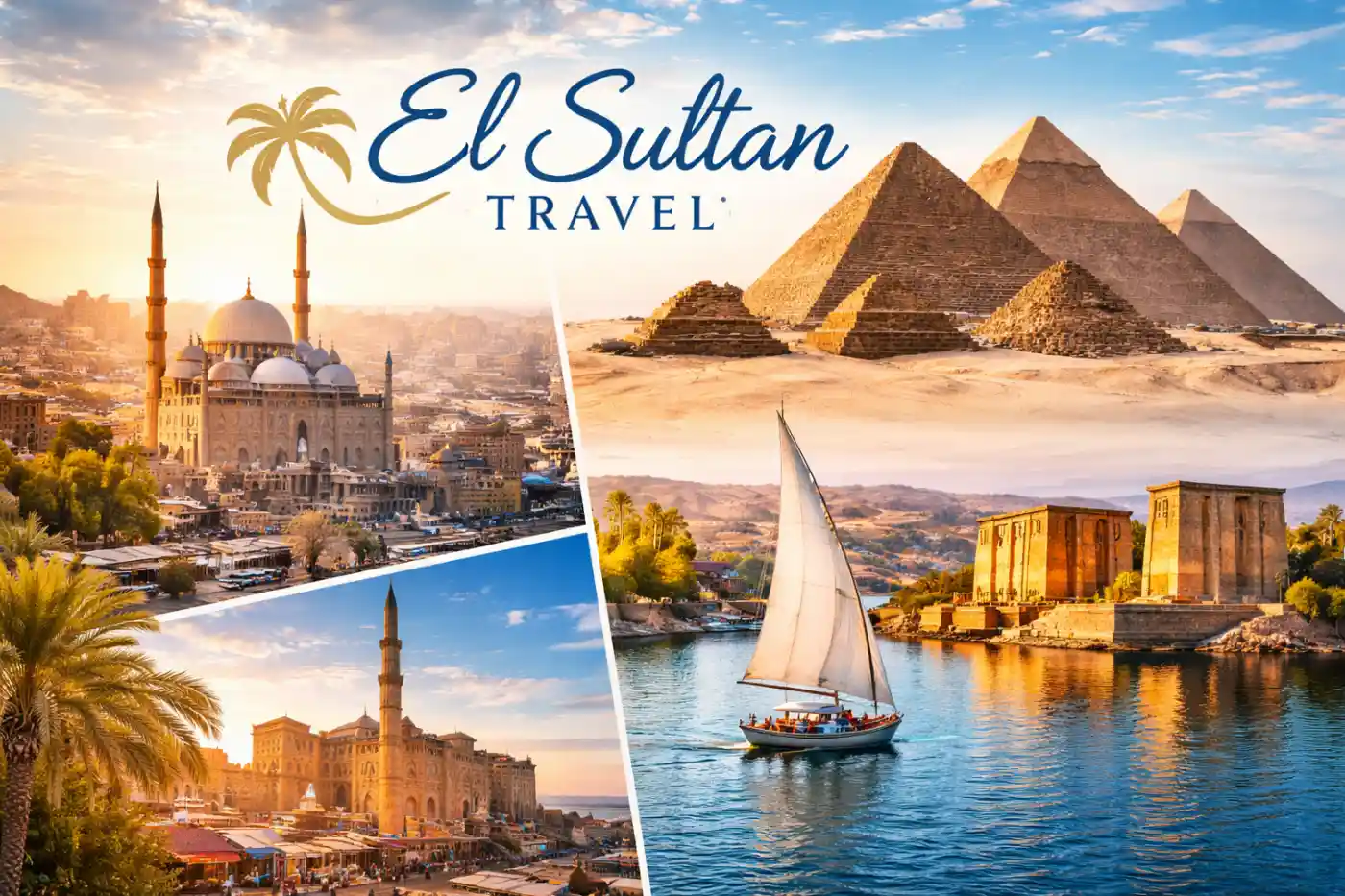
How do you choose which places to visit in Egypt when every destination promises something extraordinary, yet your time is limited and you want each day to feel meaningful rather than rushed? Egypt stretches from Mediterranean shores to desert valleys, from the pyramids rising at Giza’s edge to temple columns glowing amber in Luxor’s evening light, from the Nile’s quiet curves near Aswan to coral reefs along the Red Sea. We clarify the main categories of places to visit, compare who each destination suits best, and show how El Sultan Travel can help you build an itinerary that feels rewarding, safe, and perfectly matched to your travel style.
What Visiting Egypt Really Feels Like – History, Scale, and Daily Life
Traveling through Egypt means stepping into a country where ancient monuments stand beside modern streets, where early mornings at archaeological sites feel timeless, and where sunsets along the Nile reveal a landscape that has inspired travelers for millennia. The atmosphere shifts between Cairo’s urban energy and the slower rhythms of the Nile Valley, between crowds at iconic sites and quiet moments in smaller temples or along riverbanks.
General Pros of Visiting Egypt:
- Unmatched historical depth concentrated in accessible regions
- Visual variety in one country, from desert plateaus to river valleys and coastal waters
- Strong cultural identity reflected in daily life, food, crafts, and hospitality
- Year-round travel season with clear weather patterns
Considerations for Planning:
- Travel distances between major sites require thoughtful pacing
- Popular monuments can feel crowded during peak hours and seasons
- Itineraries benefit from expert planning to balance intensity with rest
- Cultural context deepens when guided by knowledgeable locals
Every destination in Egypt offers something distinct. The challenge is not finding places worth visiting but choosing the right combination for your interests, energy, and available time. If you are beginning to map out where you want to go in Egypt, explore Egypt’s main destinations to see how cities, river routes, and landscapes connect into a coherent journey.
Cairo and Giza – Ancient Wonders and Urban Energy
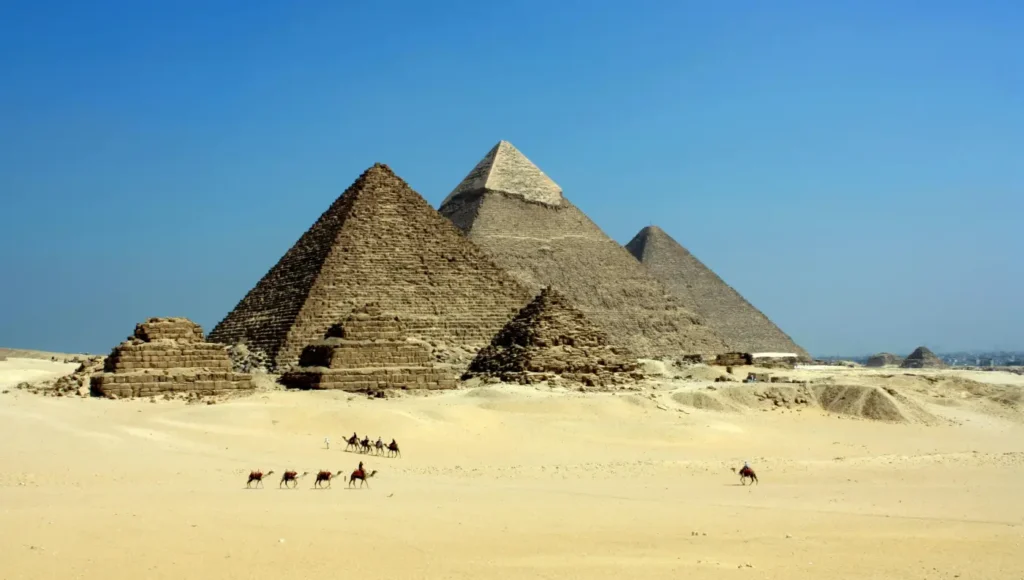
Cairo and Giza anchor nearly every Egypt itinerary, and for good reason. Standing before the pyramids at dawn, when light washes over limestone and the desert stretches silent beyond, feels like encountering a story you have always known but never truly seen. The city itself pulses with life: markets spill across narrow streets, mosques rise in intricate detail, and the Egyptian Museum holds artifacts that shaped entire civilizations.
Key Experiences in Cairo and Giza:
- The Pyramids of Giza and the Sphinx, best visited early morning or late afternoon
- The Grand Egyptian Museum (opening phases), offering modern display of ancient treasures
- Islamic Cairo, including the Citadel, Sultan Hassan Mosque, and Khan el-Khalili bazaar
- Coptic Cairo, with historic churches and the Coptic Museum
- Local neighborhoods where daily life unfolds beside history
Who Cairo and Giza Suit Best:
- First-time visitors wanting Egypt’s most iconic landmarks
- Travelers who enjoy urban energy mixed with archaeological depth
- Those with limited time who need maximum impact in fewer days
- Culture enthusiasts interested in Islamic and Coptic heritage alongside pharaonic sites
Typical Visit Rhythms:
- Half-day pyramid visits combined with museum or city tours
- Full-day explorations covering multiple historical periods
- Evening walks along the Nile Corniche or rooftop dinners overlooking the city
Cairo rewards those who embrace its intensity while also knowing when to step back and rest. If you are drawn to Egypt’s most famous monuments and want a city that never feels empty, Cairo and Giza deliver unforgettable first impressions. Start planning your Cairo and Giza tours to see how these experiences fit into a broader Egypt journey.
Luxor and Aswan – Temples, Tombs, and the Nile Valley
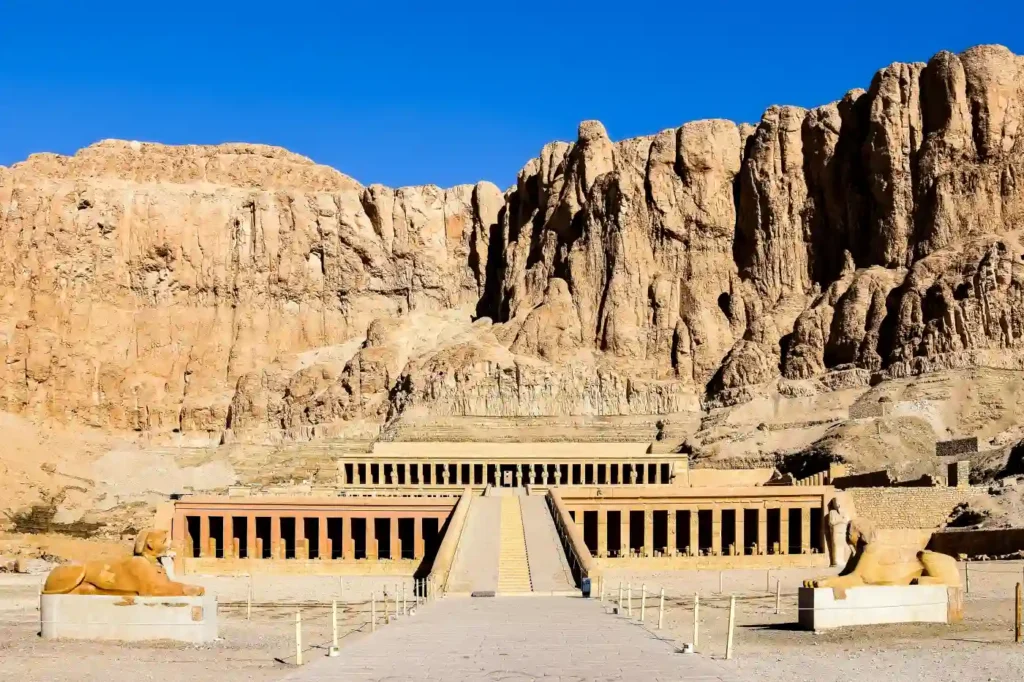
Luxor and Aswan represent Egypt’s heart for history-focused travelers. Luxor concentrates monumental architecture on both riverbanks: the Valley of the Kings tunnels into desert cliffs, Karnak’s columns rise in forests of stone, and Luxor Temple glows under floodlights at night. Aswan offers a gentler pace, with feluccas drifting past granite islands, Philae Temple set on a Nile island, and Nubian villages adding color and warmth to the riverbanks.
Luxor’s Character:
- Dense concentration of temples and tombs within walkable or short-drive distances
- Morning visits to the Valley of the Kings before midday heat
- Afternoon explorations of Karnak and Luxor temples
- Hot-air balloon rides over the West Bank at sunrise
Aswan’s Character:
- Relaxed riverside atmosphere with fewer crowds
- Scenic beauty and slower travel rhythms
- Abu Simbel day trips for those wanting Egypt’s southernmost monument
- Access to Nubian culture and traditional villages
Pros and Considerations:
- Pros: Depth of pharaonic history, photographic beauty, smaller-scale cities than Cairo
- Considerations: Walking intensity at some sites, desert heat in summer months, travel time from Cairo (flight or overnight train)
Who Each Destination Suits:
- Luxor for those wanting maximum historical immersion and iconic tomb visits
- Aswan for travelers seeking beauty, calm, and a slower pace
- Both for anyone willing to spend several days in the Nile Valley
Think about how much history you want to absorb each day. Luxor offers relentless fascination but can feel overwhelming if rushed. Aswan balances sightseeing with rest. Many travelers combine both, moving between them by Nile cruise or short flight.
The Nile Cruise Route Between Luxor and Aswan
A Nile cruise transforms travel between Luxor and Aswan into an experience rather than transit. Days unfold with guided temple visits at Edfu, Kom Ombo, and Esna, punctuated by hours on deck watching villages, palm groves, and desert hills drift past. Evenings bring quiet river sunsets, onboard meals, and the gentle motion of the boat through timeless landscapes.
What to Expect on a Nile Cruise:
- Three to four nights sailing between Luxor and Aswan (or reverse)
- Daily stops at riverside temples with expert-guided tours
- Onboard comfort ranging from classic to luxury standards
- Fewer decisions about transport and timing, with everything coordinated
Suitability and Travel Style:
- Ideal for travelers who want to see multiple places without constant packing
- Appeals to those who value scenic travel and relaxed pacing
- Works well for couples, small groups, and multi-generational families
- Requires commitment of several consecutive days
Time Commitment and Planning:
- Most cruises run three to four nights
- Can be combined with Cairo at the start or end of the trip
- Booking the right cruise category matters for comfort, service, and cabin quality
The Nile cruise route is one of Egypt’s most distinctive ways to visit several places while maintaining a steady, contemplative rhythm. If you are considering how to move through the Nile Valley without feeling rushed, explore Nile cruise options to see how this style of travel complements guided city tours.
How El Sultan Travel Helps You Choose the Right Places in Egypt?
Choosing where to go in Egypt becomes easier when someone who knows the country helps you think through what matters most. One traveler tries to see Cairo, Luxor, Aswan, and Alexandria in seven days and returns home exhausted, remembering crowds more than moments. Another traveler selects three core destinations, allows time for rest, and leaves with vivid memories of sunrise over the pyramids, an afternoon felucca ride in Aswan, and dinner overlooking Luxor Temple at night.
El Sultan Travel’s approach starts with understanding your interests, energy, and travel dates. Do you want maximum historical depth or a balance of culture and leisure? Are you traveling with children or older family members who need accessible sites? Do you prefer cities or quieter landscapes? How much time do you truly have once flights and transitions are factored in?
From there, the team shapes an itinerary that flows naturally, coordinating transport, selecting guides who match your style, and building in rest without wasted time. You are never rushed through a site just to check it off a list, and you are never left wondering whether you missed something essential.
If you are ready to move from researching places to visit in Egypt toward a plan that feels clear and confident, plan your Egypt route with El Sultan Travel and let local expertise turn curiosity into a journey that makes sense for you.
Practical Tips for Choosing Your Favourite Places in Egypt
How Many Destinations to Include:
- Seven to ten days suits Cairo, Luxor, and a Nile cruise or Aswan
- Four to five days works for Cairo and one Nile Valley destination
- Two weeks allows deeper exploration or adds Red Sea relaxation
Ideal Time Allocation:
- Cairo and Giza: two to three days for pyramids, museums, and Islamic Cairo
- Luxor: two days minimum for East and West Bank sites
- Aswan: one to two days, often combined with a Nile cruise
- Nile cruise: three to four nights between Luxor and Aswan
Seasonal Considerations:
- October through April offers comfortable temperatures for sightseeing
- May through September brings intense heat, especially in Upper Egypt
- Winter holidays (Christmas and New Year) see higher visitor numbers at major sites
Transport and Pacing:
- Domestic flights save time between Cairo and Luxor or Aswan
- Overnight trains offer budget-friendly alternatives with sleeper cabins
- Private transfers and guides reduce logistical stress
- Build in rest days or lighter afternoons to avoid fatigue
Guides and Support:
- Expert guides transform sites from impressive ruins into vivid stories
- Local knowledge helps with timing, crowd avoidance, and hidden details
- Group tours offer value; private tours offer flexibility
Egypt rewards thoughtful planning. Choose fewer places and explore them well rather than racing through a long list. Let each destination breathe.
Sample Egypt Travel Routes Based on Different Styles
The First-Time Visitor (8 Days):
- Cairo and Giza (3 days): pyramids, museums, Islamic Cairo
- Luxor (2 days): Valley of the Kings, Karnak, Luxor Temple
- Nile cruise to Aswan (3 nights): temples, river scenery, Aswan highlights
- Return flight from Aswan to Cairo
The Slow Traveler (10 Days):
- Cairo (2 days): pyramids, one museum, evening Nile views
- Luxor (3 days): thorough exploration with rest afternoons
- Aswan (2 days): felucca rides, Philae Temple, Nubian village
- Abu Simbel day trip
- Cairo return (1 day): final shopping or overlooked sites
The Family with Young Children (7 Days):
- Cairo and Giza (3 days): pyramids, Sphinx, shorter museum visit
- Short Nile cruise or Luxor only (3 days): accessible temples, swimming pool breaks
- Cairo return (1 day): flexible day for rest or last-minute exploring
The Couple Seeking Romance and Culture (9 Days):
- Cairo (2 days): pyramids, dinner overlooking the Nile
- Luxury Nile cruise (4 nights): Luxor to Aswan with all stops
- Aswan (1 day): sunset felucca, Nubian dinner
- Return to Cairo (1 day): rooftop bar, Khan el-Khalili evening stroll
Every traveler shapes their Egypt journey differently. If these examples spark ideas but you are unsure which style fits you best, share your travel preferences so El Sultan Travel can suggest the ideal combination of destinations and experiences.
Top 5 FAQs for Places to Visit in Egypt
1. What are the top places to visit in Egypt for first-time travelers?
First-time visitors should explore the Pyramids of Giza, Cairo’s Egyptian Museum, Luxor’s temples, Aswan’s Nile scenery, and the Red Sea resorts like Hurghada or Sharm El Sheikh.
2. Is Egypt a good destination for cultural and historical tourism?
Yes, Egypt is one of the world’s top cultural destinations, offering ancient temples, royal tombs, museums, and UNESCO World Heritage Sites spanning over 5,000 years of history.
3. What is the best time to visit tourist attractions in Egypt?
The best time to visit Egypt is from October to April, when the weather is mild and ideal for sightseeing, Nile cruises, and outdoor activities.
4. Can I visit Egypt’s main attractions in one trip?
Yes, with a well-planned itinerary, travelers can combine Cairo, Luxor, Aswan, and the Red Sea in one trip, especially through guided tours or Nile cruises.
5. Are guided tours recommended when visiting Egypt?
Guided tours are highly recommended in Egypt, as they enhance the experience with expert insights, smooth logistics, and access to key attractions without hassle.