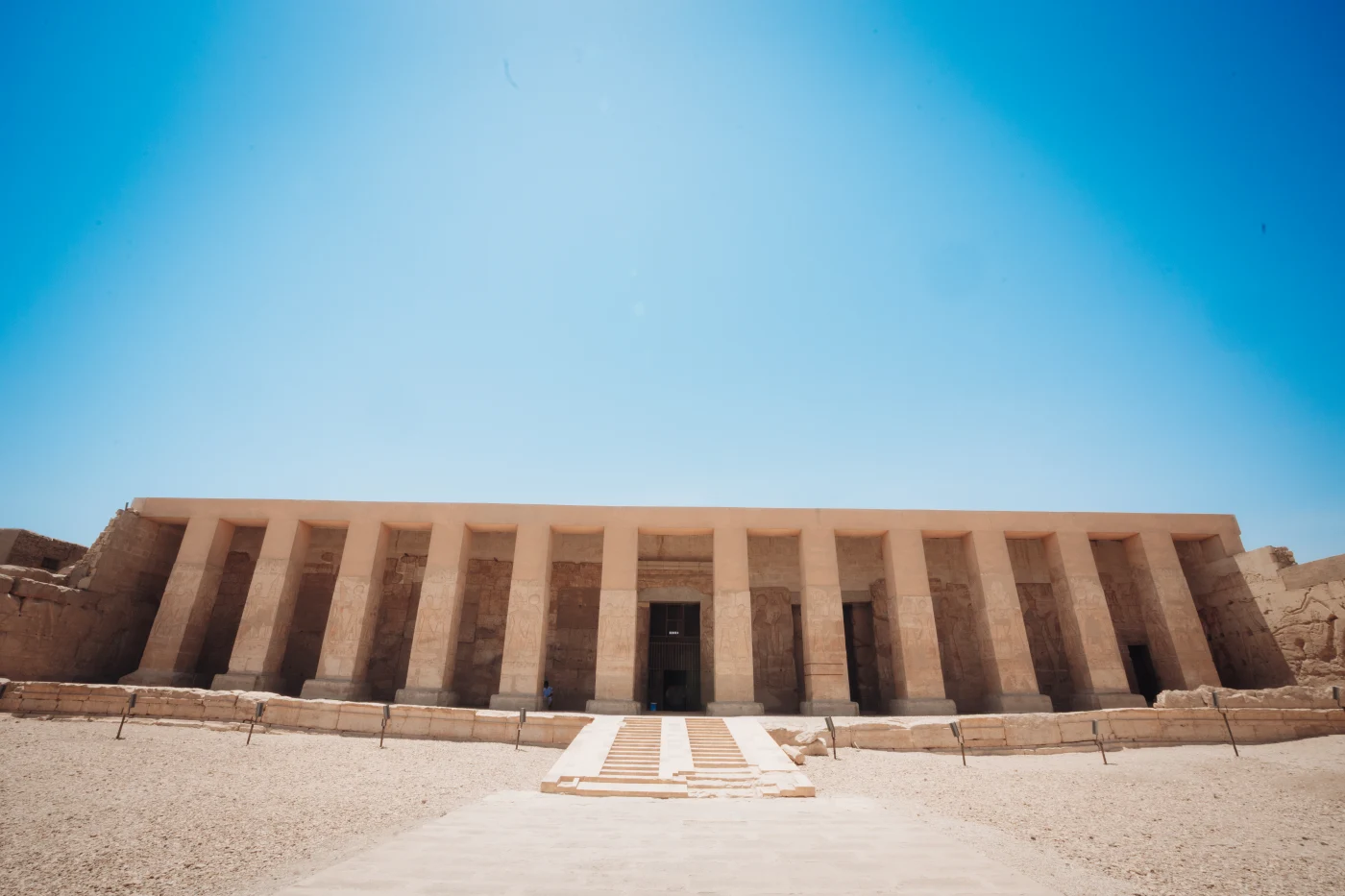
The Abydos Temple is where serious temple lovers go quiet. Seti I’s sanctuary at ancient Egypt’s holiest city holds the finest relief carving the civilization ever produced — faces modeled so delicately they seem to breathe — plus the famous king list and the enigmatic Osireion. Ninety minutes north of Luxor, a fraction of its crowds.
Quick Answer: The Temple of Seti I at Abydos, completed by Ramses II around 1279 BC, was ancient Egypt’s most sacred pilgrimage site — the mythical burial place of Osiris. Its highlights: seven sanctuaries in supreme raised relief, the Abydos King List naming 76 pharaohs, and the mysterious Osireion behind the temple. Visited as a day trip from Luxor, usually paired with Dendera.
Why Abydos Was Egypt’s Holiest Ground
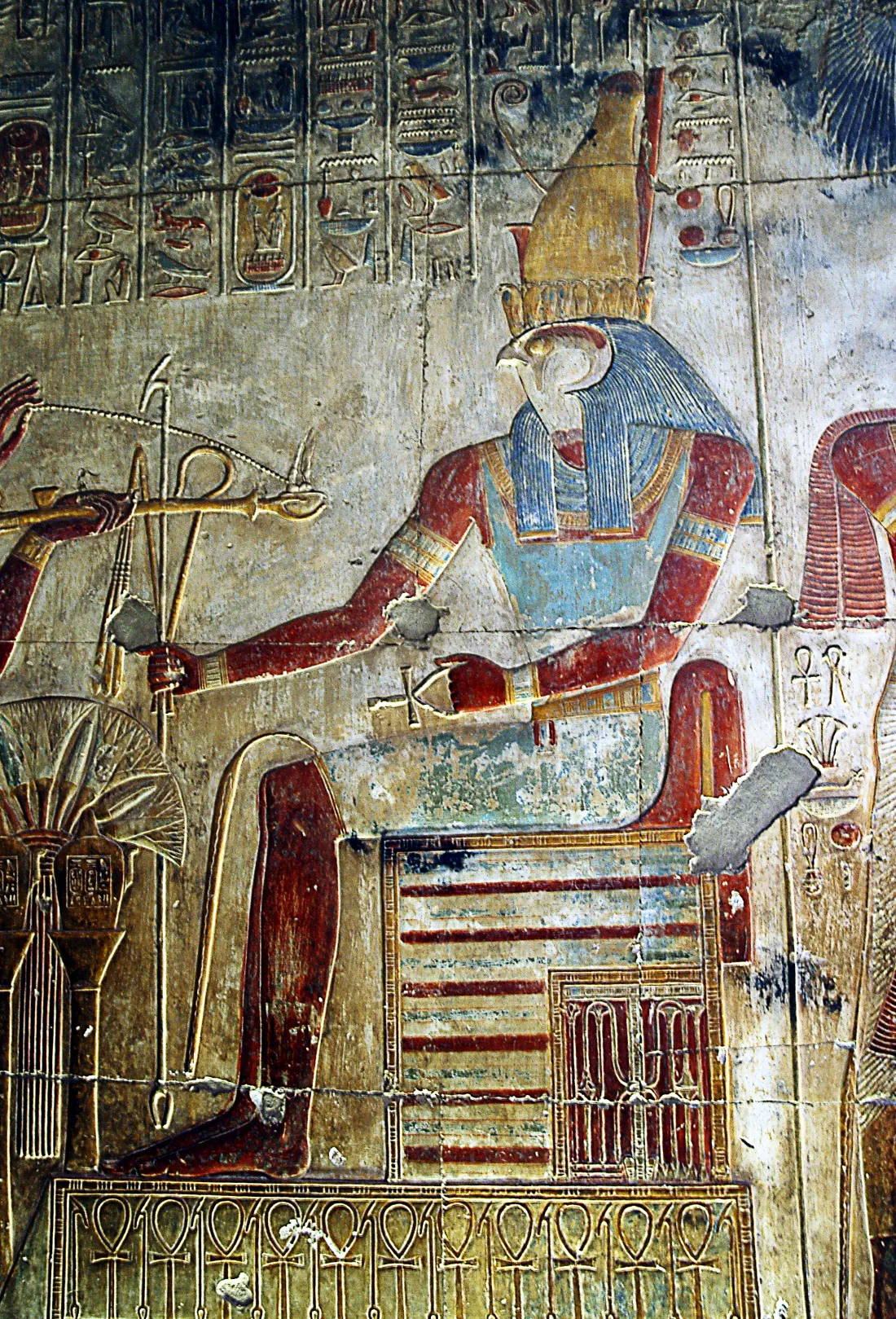
Here, myth said, Isis buried the head of Osiris after reassembling her murdered husband — making Abydos the epicenter of resurrection itself. For three thousand years Egyptians made the pilgrimage or arranged burial markers here; being “justified at Abydos” was the afterlife’s best insurance. Pharaohs from the very first dynasties left monuments; Seti I left the masterpiece.
What to See
The Seven Sanctuaries
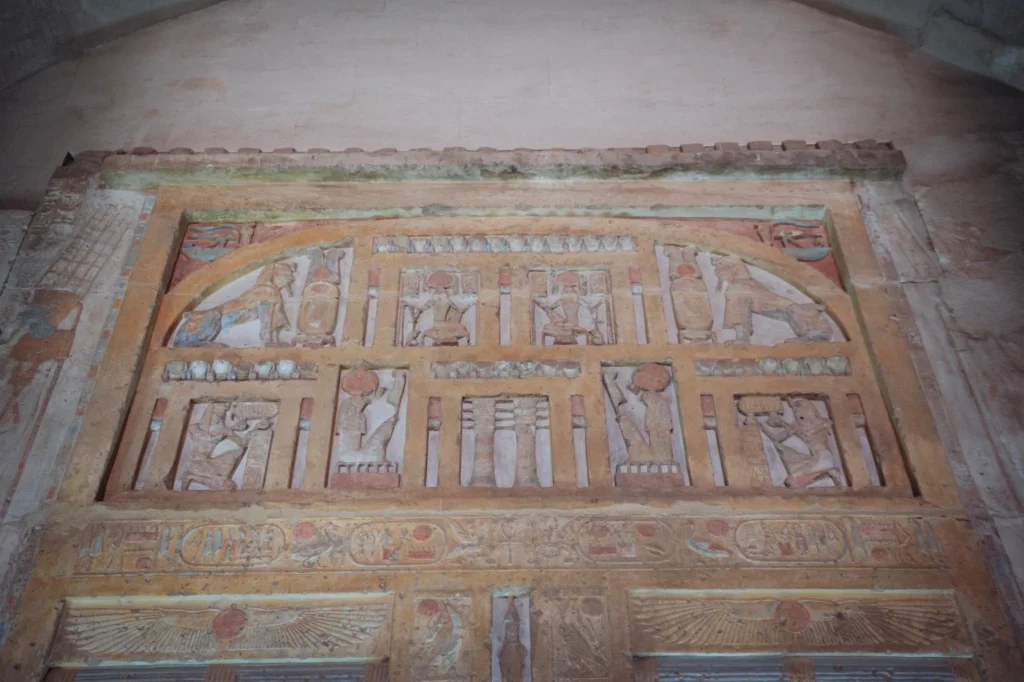
Seti’s temple honors seven gods — Osiris, Isis, Horus, Amun-Ra, Ra-Horakhty, Ptah and the deified Seti himself — each with a vaulted sanctuary carved in raised relief of impossible delicacy. This is the standard by which Egyptologists measure all temple art; nothing at Karnak matches it.
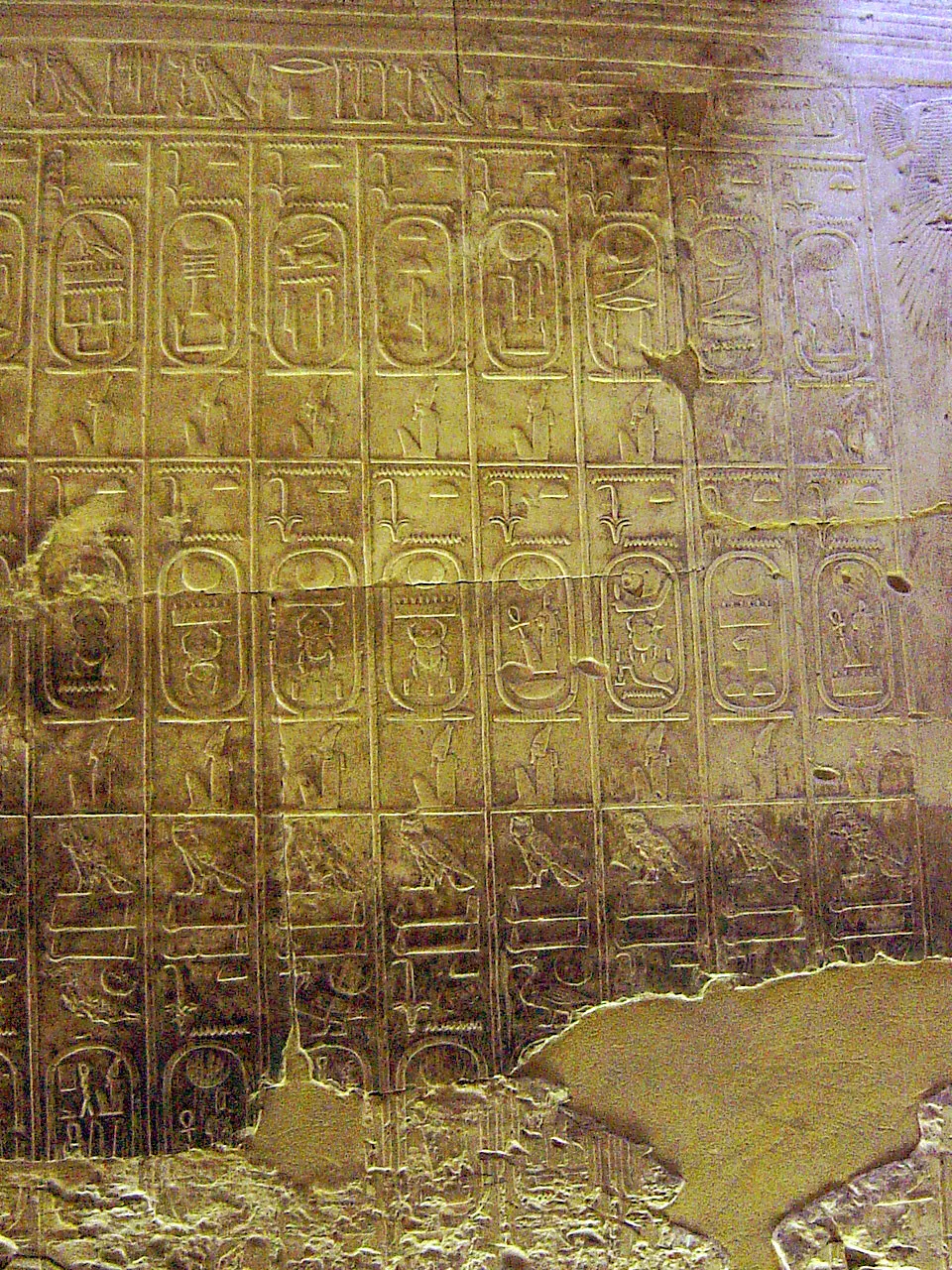
The Abydos King List
A corridor wall where Seti and young prince Ramses honor 76 royal ancestors by name — one of Egyptology’s foundational documents. (The politically deleted are absent: no Hatshepsut, no Akhenaten. History’s first official unpersoning, carved in limestone.)
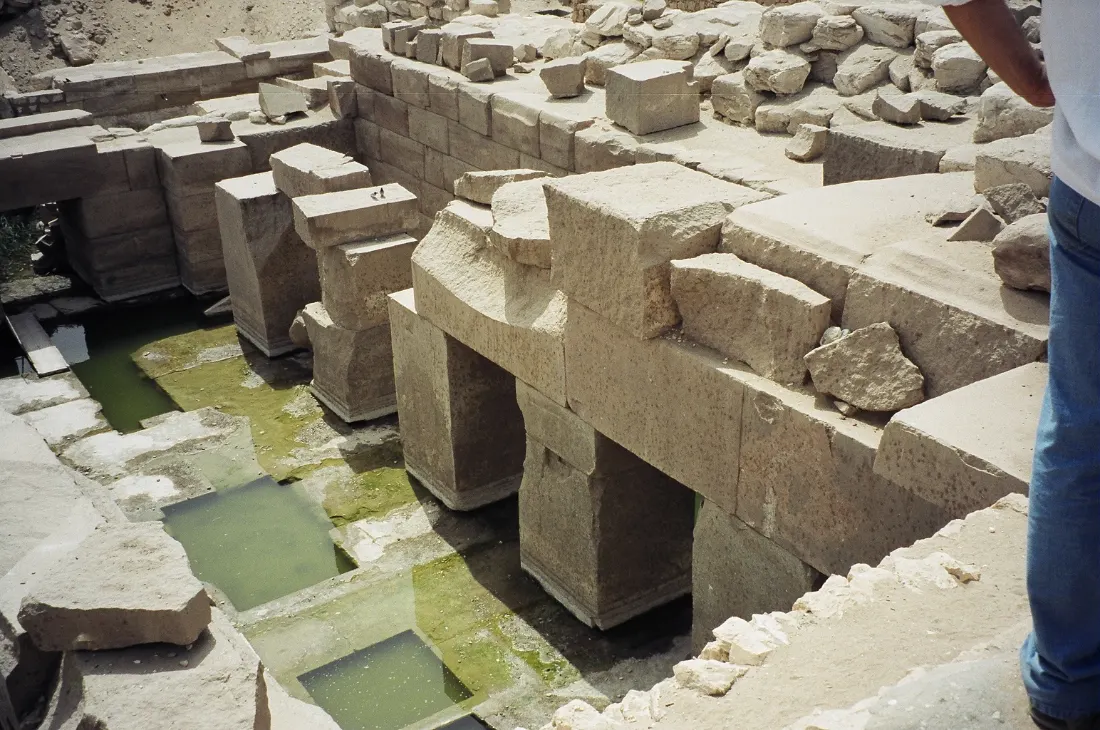
The Osireion
Behind the temple sinks a megalithic hall of rose granite around a groundwater island — Osiris’s symbolic tomb, half-flooded and wholly mysterious. Its massive archaic style still puzzles scholars.
Visiting Abydos
| Detail | What to know |
|---|---|
| Location | ~160 km north of Luxor (2–2.5 h drive) |
| Time on site | 1.5–2 hours |
| Crowds | Light — often near-private outside peak hours |
| The classic pairing | Dendera’s Hathor temple on the same day |
The Perfect Day: Abydos + Dendera
The two best-preserved temple interiors in Egypt sit on the same northern road — Abydos for carving, Dendera for color (its restored ceiling is the country’s most dazzling). Together they make Luxor’s finest day trip for travelers who have done the headline sites: our Dendera and Abydos day trip from Luxor runs it privately with an Egyptologist who knows every panel.
FAQs About Abydos Temple
Is Abydos worth the drive from Luxor?
For anyone who loves temple art — emphatically. Many connoisseurs rank it the finest single interior in Egypt.
What is the Abydos King List?
Seti I’s carved roll-call of 76 legitimate predecessors — a cornerstone document for reconstructing Egyptian chronology.
What is the Osireion?
The symbolic tomb of Osiris behind Seti’s temple — a sunken megalithic hall around a groundwater island, unique in Egyptian architecture.
Can you visit Abydos independently?
Road trips with driver are the practical way; the pairing logistics with Dendera favor an organized day — see our Luxor day trips.
How does Abydos compare to Karnak?
Karnak overwhelms with scale; Abydos rewards with intimacy and the finest carving. The full context lives in our Luxor travel guide.
Ready for Egypt’s holiest ground? Message us on WhatsApp — the northern road is one of our favorite days to arrange.
Further reading: Abydos.
Abydos Temple rewards the travelers who make the journey: the Seti I king list, the finest raised reliefs in Egypt, and a fraction of the crowds you will meet in Luxor. Combine Abydos Temple with Dendera on a full-day trip from Luxor, arrive before the tour convoys at 10 am, and give the Osireion behind Abydos Temple at least twenty minutes — it is one of the most mysterious structures in the country.